
Businesses involved in global trade must choose the right transport method to keep operations efficient and customers satisfied. The decision between air vs sea freight directly affects delivery speed, shipping costs, and supply chain reliability. Companies that work with experienced shipping and logistics companies gain better control over timelines, documentation, and cargo safety during international movement. Each shipment requires careful planning based on urgency, cargo size, and destination requirements. Understanding how air and sea transport differ helps businesses avoid delays and unexpected expenses while improving overall logistics performance in competitive international markets.
Before We Look at the Pros and Cons of Air Vs Sea Freight, Let’s Start With What Is Air Freight
First of all, before examining the advantages and disadvantages of different international shipping methods, it is important to understand what air freight involves and why businesses depend on it. Air freight refers to transporting cargo through commercial or dedicated cargo aircraft, allowing goods to move quickly between countries and continents. Companies often choose this option when shipments require speed, security, and reliable scheduling. Industries that handle electronics, medical supplies, or time-sensitive products benefit greatly from fast air transportation. Businesses shipping goods through air freight to Saudi Arabia often use this method to meet strict delivery timelines and maintain consistent supply chains. Air transport stands out for efficiency, reduced transit times, and improved cargo handling throughout the international journey.
In most cases, companies choose air freight when shipments require speed, security, and reliable scheduling.
What is Sea Freight?
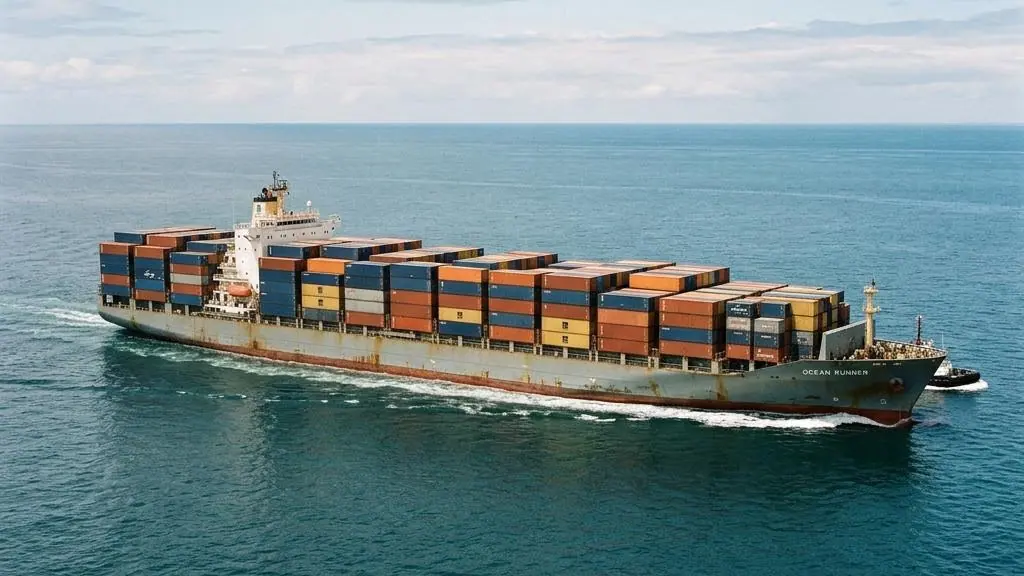
Sea freight refers to transporting goods internationally using cargo ships that move containers between major global ports. Businesses often rely on this shipping method when they need a cost-effective solution for large, heavy, or high-volume cargo. Compared with air shipping, ocean transport focuses more on capacity and affordability rather than speed, which makes it ideal for planned shipments with flexible delivery timelines. For example, if you are shipping goods from China to the Middle East, many companies prefer ocean freight to Saudi Arabia because it allows them to move large inventories at lower transportation costs. When comparing sea freight vs air cargo solutions, maritime shipping stands out for efficiency, container flexibility, and dependable long-distance cargo movement across international trade routes.
Air vs Sea Freight: Key Differences at a Glance
Understanding the main differences between international transport options helps businesses make smarter shipping decisions and avoid unnecessary costs or delays. Companies must evaluate several operational factors that directly affect delivery performance, budgeting, and supply chain planning. Each shipping method serves a different purpose depending on urgency, cargo size, and shipment value. Reviewing the key distinctions side by side allows businesses to choose the most efficient solution for their logistics needs while maintaining better control over timelines and expenses. Below are the most important points to consider when comparing these global shipping methods at a glance:
- Transit Time: Air freight delivers goods within days, while sea freight usually requires several weeks, depending on distance and port operations.
- Shipping Cost: Ocean freight offers lower costs for heavy or bulk cargo, whereas air shipping costs more due to speed and limited aircraft space.
- Cargo Capacity: Sea freight handles oversized and high-volume shipments, while air freight works best for smaller or lighter goods.
- Reliability and Scheduling: Air cargo follows fixed flight schedules, while sea transport may face port congestion or weather-related delays.
- Environmental Impact: Sea freight produces fewer emissions per ton of cargo compared to air transport, making it a more sustainable shipping choice.
By using the sea freight transportation method, you can reduce costs.
One of the Key Advantages of Air Freight Is Fast Transit Times
One of the most important benefits of air freight for international shipping is the ability to move cargo across long distances in a very short time. Businesses that compare air shipping with ocean transport often choose air cargo when delivery deadlines directly affect operations or customer satisfaction. Faster transit times help companies reduce inventory shortages, respond quickly to market demand, and maintain smoother supply chain performance. Industries such as healthcare, technology, and retail rely on rapid transportation to keep products available without long waiting periods. Global aviation standards established by the IATA also support efficient cargo handling and coordinated flight schedules, which improve reliability throughout the shipping process. By minimizing transit delays, air freight allows businesses to meet international shipping commitments with greater confidence.
High Reliability and Predictable Scheduling
High reliability and predictable scheduling represent another major advantage when comparing air vs sea freight for international shipping. Airlines operate on structured timetables, which allows businesses to plan deliveries with greater accuracy and maintain consistent supply chain operations. Unlike ocean transport that may face port congestion or weather-related disruptions, air cargo usually follows fixed departure and arrival schedules. This level of predictability helps companies avoid production delays and improve customer satisfaction through dependable delivery timelines. Many businesses that rely on a professional cargo service in Saudi Arabia choose air freight to ensure time-sensitive shipments arrive as planned. Reliable scheduling also supports better inventory management, reduces uncertainty, and allows companies to coordinate distribution activities more efficiently across international markets.
One of the pros of using air cargo is that it follows fixed departure and arrival schedules.
Improved Cargo Security
Cargo protection plays a major role in choosing the right international shipping method, and air freight offers strong security advantages for many types of shipments. Air transport environments follow strict security procedures that protect shipments throughout every stage of the journey, from airport handling to final delivery. Cargo passes through advanced screening systems and controlled storage areas, which reduces the risk of theft, loss, or damage during transit. Companies shipping high-value or sensitive goods often prefer air cargo because fewer handling points help maintain product integrity. When comparing freight options, many businesses recognize that shorter transit times also contribute to safer transportation by limiting exposure to external conditions. Strong security protocols combined with professional cargo monitoring provide greater confidence for international shipments moving across global supply chains.
Cons of Air Freight
Although air transport offers speed and reliability, businesses must also consider several limitations before choosing this shipping method. When comparing air cargo and ocean freight solutions, companies often notice that certain operational and financial factors may affect overall logistics planning. Understanding these drawbacks helps businesses select the most suitable option based on shipment size, urgency, and budget requirements. Below are some common disadvantages associated with air freight services:
- Higher Transportation Costs: Air shipping rates remain significantly higher than sea freight, especially for heavy or bulky cargo.
- Limited Cargo Capacity: Aircraft restrict shipment size and weight, making oversized goods unsuitable for air transport.
- Environmental Concerns: Air cargo produces higher emissions compared to ocean shipping methods.
- Weather Sensitivity: Severe weather conditions can occasionally disrupt flight schedules and cause delays.
- Strict Cargo Regulations: Airlines enforce tighter restrictions on hazardous or specialized goods.
Air Vs Sea Freight: What About Sea Freight?
One of the major advantages of sea freight is its strong cost efficiency, especially for businesses managing large international shipments. When companies compare shipping options, they often find that ocean transport significantly reduces costs for heavy, oversized, or high-volume cargo. Shipping containers allow goods to move in bulk, which lowers the price per unit and makes long-distance trade more financially sustainable. Businesses importing machinery, construction materials, or retail inventory benefit greatly from these savings. Many freight forwarding companies in Saudi Arabia recommend sea freight for planned shipments that do not require urgent delivery. Lower transportation expenses also help companies allocate budgets more effectively while maintaining consistent supply chains. For organizations focused on scalability and long-term logistics planning, sea freight provides a practical and economical shipping solution.
One of the major pros of sea freight is that ocean transport significantly reduces costs for heavy, oversized, or high-volume cargo.
Ideal for High Volume Cargo
Sea freight stands out as an ideal solution for transportlarge-scalelume cargo across international markets. Businesses that compare ocean shipping and air transport quickly recognize that cargo vessels can handle significantly larger quantities of goods in a single shipment. Container ships carry thousands of containers at once, allowing companies to move bulk inventory, industrial equipment, and commercial products efficiently. When evaluating freight options, organizations often choose ocean transport for large scale operations that require consistent and economical shipping capacity. High volume shipping also reduces the cost per unit, which supports better profit margins and long-term supply chain stability. This method works particularly well for manufacturers, wholesalers, and retailers that depend on regular international shipments to maintain steady product availability.
Flexible Container Options
Flexible container options make sea freight a practical choice for businesses with different shipment sizes and transportation needs. When comparing freight options, companies often appreciate that ocean shipping provides multiple container solutions designed to match cargo volume and budget. Shippers can choose full container load services for large shipments or less than container load options when transporting smaller quantities that share space with other cargo. This flexibility helps businesses control costs while maintaining efficient international delivery schedules. Many logistics companies in Saudi Arabia support global trade by organizing freight forwarding shipments that include container planning, consolidation, and customs coordination. Access to various container types also allows businesses to ship furniture, machinery, retail goods, or raw materials safely while optimizing space usage throughout the shipping process.
Sea freight offers flexible container options.
A List of Cons For Sea Freight
While ocean shipping offers affordability and large cargo capacity, businesses should also understand the cons of sea freight before selecting this transport method. When comparing sea freight vs air freight solutions, companies often notice that slower transit times and operational uncertainties can affect supply chain flexibility. Ocean transport works best for planned shipments, but it may create challenges for businesses that require fast delivery or tight scheduling. Evaluating these limitations helps organizations choose the right shipping strategy based on urgency and operational goals. Below are some common drawbacks associated with sea freight:
- Longer Transit Times: Shipments may take several weeks to reach their destination compared to faster air cargo delivery.
- Port Congestion Risks: Delays may occur due to busy ports, customs inspections, or unloading backlogs.
- Weather Dependency: Ocean routes can face disruptions caused by storms or unfavorable sea conditions.
- Complex Packaging Requirements: Cargo needs stronger packaging to withstand long journeys and humidity exposure.
- Less Schedule Flexibility: Shipping departures occur less frequently than flights, which limits last-minute shipment options.
Cost Comparison: Air Freight vs Sea Freight
Understanding cost differences plays a critical role when businesses evaluate air freight compared to ocean shipping for international transportation. When analyzing options, companies must look beyond basic shipping rates and consider the total logistics expense involved. Air freight usually carries higher transportation costs due to speed and limited cargo space, while sea freight offers lower pricing for heavy or bulk shipments but requires longer transit times. Businesses should carefully calculate international moving costs, including professional handling, customs procedures, packaging, and coordination services needed to manage shipments efficiently. Proper budgeting helps organizations avoid unexpected expenses and maintain smoother operations throughout the shipping process. By reviewing both direct and indirect costs, companies can select a shipping method that balances financial planning with delivery requirements and operational efficiency.
It is important to compare the costs.
Combining Air and Sea Freight for Smarter Logistics
Many businesses improve supply chain efficiency by combining different transport methods instead of relying on only one shipping solution. When comparing sea freight and air cargo strategies, companies often use a hybrid approach to balance speed and cost. Urgent products can travel by air to meet immediate demand, while larger inventory shipments move by sea to reduce overall transportation expenses. This flexible logistics strategy helps businesses maintain product availability without overspending on shipping. By using both options together, organizations gain better control over delivery timelines, inventory planning, and international distribution while adapting quickly to changing market requirements.
Air vs Sea Freight for International Shipping: What Should You Choose?
Choosing between air vs sea freight depends on a company’s shipping priorities, delivery timelines, and overall logistics strategy. Air freight provides speed, reliability, and strong cargo security, which makes it ideal for urgent or high-value shipments. Sea freight offers cost efficiency and large capacity, making ilong-termsuited for bulk cargo and long term supply planning. Businesses achieve the best results when they evaluate shipment size, urgency, and total transportation costs before making a decision. Working with experienced logistics professionals also helps ensure smoother international shipping operations and supports consistent, efficient global trade performance.