
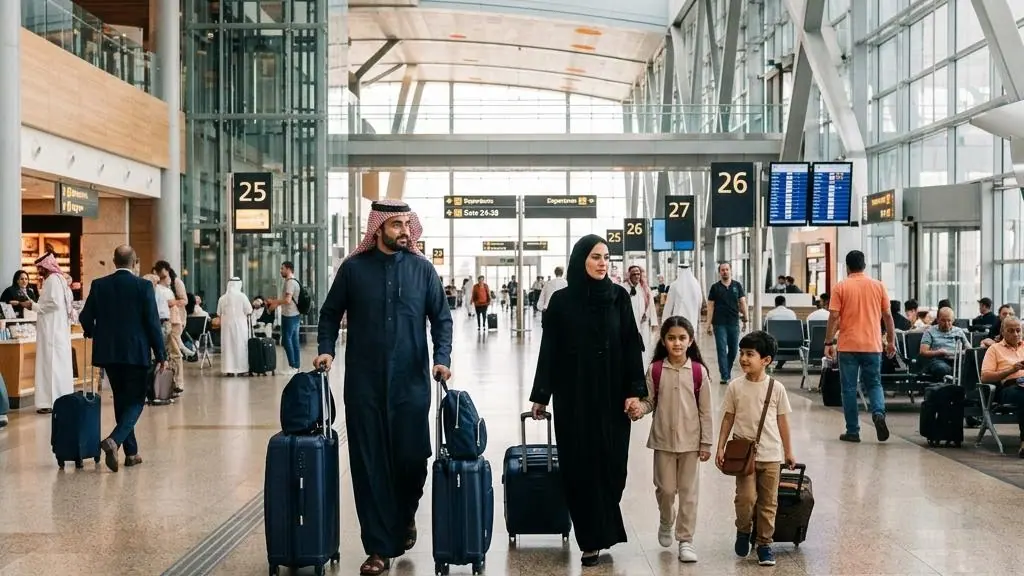
Today, businesses are going global, and understanding cultural differences matters more than ever. For employees moving to new countries, cultural training isn’t just helpful—it’s necessary. This training helps employees and their families get used to new places and ways of working. In this article, we’ll cover why cultural training for employees moving abroad is important. It prepares them to face work challenges in different countries, improving how well they do their jobs. This is especially important for companies using relocation companies in Jeddah to help move their staff. Simply put, good cultural training helps employees adjust and succeed in their new environments.
What Is Cultural Intelligence?
Cultural intelligence, or CQ, is about being able to work well with people from different cultures. It’s becoming more important for doing business around the world. Having a high CQ means someone can pick up on social cues that aren’t familiar and can work well with coworkers and clients from different backgrounds. This makes sure that business can run smoothly in different countries. International movers in Riyadh recommend that companies train their employees in cultural intelligence. This training helps employees understand and adapt to new cultural settings, which is very important when companies expand globally. By improving CQ, businesses can avoid misunderstandings and build better relationships with international partners and customers.
The Impact of Culture on Business
Cultural differences can change the way businesses work, including how people negotiate, make decisions, lead, and communicate. When these differences are ignored, companies can run into problems like miscommunication, wasted effort, and even conflicts. There are many real examples where companies have done poorly or very well, depending on how they managed these cultural differences. Just like moving furniture overseas requires care and planning, handling cultural differences needs the same attention to detail. It’s about understanding and respecting these differences to make sure everything runs smoothly. This can lead to better teamwork and more success in business activities across different countries.
One of the main reasons cultural training for employees moving abroad is so important is that it makes it easier for employees to integrate into their new business environment.
Assessing Cultural Training Needs
Before starting a cultural training program, it’s important to understand what your company needs. Think about where your employees are moving to, what their jobs will be like, and what they already know about the new culture. This is especially true if they’re moving to Riyadh, where the culture can be very different from what many are used to. You can use surveys, interviews, and cultural audits to figure out which areas need the most attention. This helps make sure the training fits your company’s specific situation and works. Tailoring the training this way makes it more likely to succeed, helping your employees adjust better and faster to their new roles.
Components of Effective Cultural Training Programs
Good cultural training programs cover a lot of ground and include different kinds of learning to get employees ready for working in another country. These programs should give detailed info about the country they’re going to, including what the culture is like, the laws, and how business is done there. It’s also helpful to use real-life examples and case studies so employees can see how to use what they learn when they’re working. This way, employees learn the rules, and also how to handle real situations they might face. Also, packaging companies in Jeddah can help with practical aspects of moving, showing how combining good planning with cultural know-how can make moving and setting up in a new place smoother.
Training Methodologies
When setting up a cultural training program, especially for employees who move to Saudi Arabia, it’s important to pick the right ways to teach based on what you want to achieve and how your team learns best. Workshops and seminars are great for hands-on learning and solving problems together. E-learning is good because it lets people learn from anywhere, which works well if they’re already abroad or have busy schedules. Then, there are immersive experiences like cultural visits or role-playing, which are useful for practicing real-life situations in a safe setting. These methods can help your team feel more prepared and confident about interacting with new cultures, especially in a unique place like Saudi Arabia.
The methodology you use for cultural training for employees moving abroad needs to be tailored to your employees’ specific needs.
Developing Cultural Empathy
Cultural training helps people develop empathy, which means understanding how others feel and see the world. This is important when moving to Medina Saudi Arabia, or any other new place. In training, role-playing and cultural immersion exercises let employees experience what it’s like to live and work in a different culture. This kind of practice helps them get a feel for the social and emotional aspects of being somewhere new. Having this deeper understanding can make it easier for them to build good relationships with local people and fit in better at work. Overall, this training is about making the move smoother for everyone involved, ensuring that employees feel more comfortable and welcomed in their new surroundings.
Language Training
When employees are moving to Jeddah, for example, cultural training includes many things, but learning the language is one of the most important parts. Even knowing just a little of the local language can make a big difference. It helps employees talk better with new colleagues and locals, and it makes settling into a new country easier. Language training should be customized to fit what employees need for their jobs, like specific words used in their industry or just everyday language skills for shopping or talking to neighbors. This kind of focused language learning is really valuable. It not only helps with work tasks but also helps employees feel more at home in their new environment.
Adapting to Legal and Ethical Standards Abroad
When employees move to a new country, they need to understand the laws and what’s considered right or wrong there. Cultural training should include information about these legal and ethical standards. This is so employees know how they should act and what they can expect in different situations. Understanding these rules helps avoid legal problems and makes sure that everyone is doing things the right way. It’s not just about following the law; it’s also about fitting in with the local culture and doing things in a way that respects local norms and values. This kind of training protects both the company and its employees, making sure everyone knows what’s expected and avoids trouble.
One important thing your employees need to learn is the legal and ethical standard differences they should expect.
Do’s and Don’ts of Cultural Training for Employees Moving Abroad
Every culture has its own rules that aren’t always written down. Understanding these can prevent uncomfortable moments and help employees leave a good impression, which is especially important when moving to a new country. For example, in the U.S., a firm handshake is a common greeting, but in Japan, it’s more appropriate to bow. These are the kinds of things that cultural training for employees moving abroad should cover. This training gives employees the tips they need to feel more sure of themselves in a new place. By knowing what is and isn’t acceptable, employees can navigate their new surroundings more smoothly and integrate into the local culture with ease.
Role of Leadership in Cultural Training
Leaders are a big part of the success of cultural training for employees moving abroad. They need to set a good example by actively participating in and supporting this training. When leaders show they care about learning from different cultures, it encourages everyone in the workplace to do the same. This kind of leadership makes the workplace more welcoming and appreciative of different viewpoints. Training for leaders should teach them how to manage teams from diverse backgrounds and solve problems that arise from cultural differences. This helps prevent misunderstandings and promotes a more productive and positive working environment.
If your team leaders show they care about learning from different cultures, everyone else in the office will find it easier to recognize the importance of doing so.
Monitoring and Evaluating Training Effectiveness
It’s important to make sure that cultural training is helping. This means you need to regularly check how well the training is working. You can do this by asking the people who took the training what they think about it and by looking at how they’re doing in their jobs. If the feedback or their job performance shows that the training isn’t helping, then it’s time to make some changes. This helps keep the training useful and up-to-date. Adjusting the training based on real feedback ensures that it stays relevant and keeps providing real benefits, both to the employees who are moving abroad and to the company they work for.
Support Systems for Employees and Families
Moving abroad changes not just work life but personal life too. It’s a big change for employees and their families. That’s why it’s important to have support systems in place. These can include help with finding a new home, getting settled in it, and figuring out schools for the kids. This kind of help is very important because it makes moving less stressful and easier for everyone. Having support when moving to a new country can help employees focus on their new jobs without worrying so much about their personal issues. It’s all about making the move as smooth as possible so that the whole family feels comfortable and ready for their new life abroad.
Technology in Cultural Training
Technology can boost the effectiveness of cultural training for employees moving abroad. For instance, using virtual reality, employees can step into realistic cultural situations without actual risks. This makes the learning experience more engaging and memorable. Also, online platforms are great because they let employees learn at their own pace. This flexibility is super helpful for those with tight schedules who are getting ready to move. Being able to access training anytime and anywhere ensures that more employees take part and are better prepared. This tech-enhanced approach makes cultural training more adaptable and useful, meeting the needs of both the business and its staff as they prepare for international assignments.
Making your cultural training program available online will make it more accessible and less stressful for your employees.
Preparing for Cultural Shock
Cultural shock is a common experience when moving to a new country. It can feel overwhelming to adjust to a new way of life. That’s why it’s important for training to help employees know what to expect. This training should cover the usual signs of cultural shock and give tips on how to deal with it. Understanding these things can make the shock less intense, which helps employees get used to their new environment quicker. By preparing them for what’s coming, employees can handle the changes better and feel more comfortable in their new home.
Integrating Cultural Training with General Onboarding
Cultural training for employees moving abroad should be a key part of the overall onboarding process. This means when employees start their new jobs overseas, they get training not just on their work tasks but also on the local culture. Including cultural training helps ensure that employees are fully prepared, not just for their jobs but also for living in a new country. It shows that the company takes a complete approach to helping employees adjust and do well in their new roles.
Providing help for the logistical side of an international move, as well as the cultural side, for your employees is very important.
Common Issues with Cultural Training
When setting up training, it’s important to avoid overwhelming participants with too much information all at once. Instead, the training should be designed to meet the specific needs of those taking part. This means not just throwing general information at everyone but adjusting the content so it’s directly useful to them. The training must also be interesting to keep everyone’s attention. If participants find the sessions engaging, they are more likely to pay attention and remember what they’ve learned. This makes it easier for them to use this new knowledge in real situations, which is the whole point of the training. Tailoring sessions in this way helps ensure the training is effective and beneficial.
Cultural Training for Employees Moving Abroad Is Important
Investing in cultural training for employees moving abroad is very important for any business working internationally. This training helps employees handle their jobs in new countries and shows that the company cares about their success and comfort in different cultures. It’s not just about learning job skills; it’s about understanding how to fit in and work effectively in a new place. Business owners need to keep checking and updating their cultural training programs. As the company changes and grows, and as employees face new challenges, the training needs to evolve, too. This ensures that the training stays useful and keeps helping employees adapt well to their new environments overseas.