
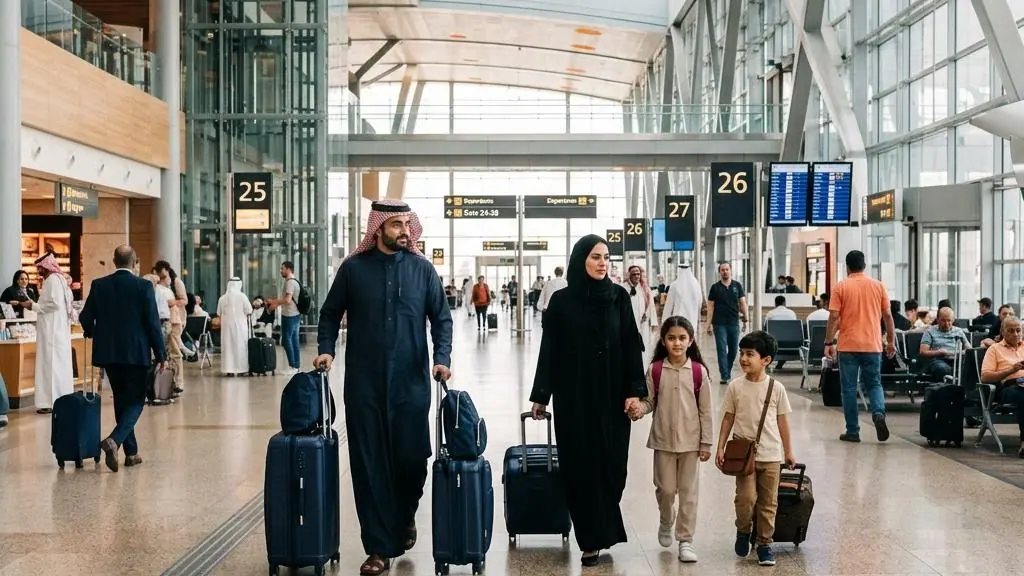
Managing jetlag during an international move to Saudi Arabia can be tough. Your sleep schedule gets disrupted, making it hard to focus, stay active, or adjust quickly. If you’re flying from the U.S., Canada, or the UK, the time difference may cause tiredness, poor sleep, or low energy. Professionals from the top moving companies in Jeddah often recommend adjusting your routine early so you can handle tasks like work, school, or settling in more easily.
Understand The Time Difference Before You Leave
Saudi Arabia is on Arabian Standard Time, which is UTC+3. If you’re coming from North America, where Eastern Time is UTC-5, that’s an eight-hour time difference. Your body might think it’s night when it’s really afternoon in Jeddah. That can mess up your sleep and daily routine. Lots of experienced international movers from Jeddah recommend checking the time difference early so you can plan and adjust before you arrive.
Adjust Your Sleep Schedule Before The Move
A good way to handle jetlag during your relocation to Saudi Arabia is to change your sleep routine before you fly. Start going to bed and waking up 30 to 60 minutes earlier each day, about four to five days before your flight. This small change helps your body get used to the new time zone. It can make it easier to sleep and stay awake at the right times once you arrive.
Choose The Right Flight Timing
The time your flight lands can affect how fast you adjust. Try to book a flight that arrives in Saudi Arabia during the day. Daytime landings help you stay awake until local bedtime. If you arrive at night or early morning, you might want to nap, which makes things harder. Arriving in the afternoon gives you daylight, time to eat a meal, and a better chance to stay up until evening.
Booking a flight that arrives in the Kingdom during the day can make managing jetlag during an international move to Saudi Arabia easier.
Stay Hydrated During The Flight
Long flights can dry you out and make jetlag worse. The air on planes is dry, and sitting for hours doesn’t help. Drinking coffee or alcohol makes things harder by messing with your sleep. Try to drink water often during the flight. It helps you feel better, keeps your energy up, and makes it easier to deal with your first day in Saudi Arabia. Lots of water is better than any other drink.
Avoid Sleeping At The Wrong Time After Arrival
Try to stay awake after landing in Saudi Arabia if it’s still daytime. Napping right away can make jetlag worse and last longer. Aim to go to bed at the normal local time. It’s not easy after a long flight, but staying busy helps. Go outside, get fresh air, or take a walk. Professional movers in Riyadh often highlight how staying active during the day helps your body adjust faster.
Use Natural Light To Reset Your Internal Clock
Getting sunlight helps your body get used to the new time zone. After you arrive in Saudi Arabia, try to go outside during the day, especially in the morning or afternoon. It helps your brain know it’s time to be awake. At night, avoid looking at your phone or TV screens before bed. Bright lights can confuse your body and make it harder to fall asleep when you’re supposed to.
Eat On Saudi Arabia Time As Soon As Possible
When you land in Saudi Arabia, try to eat meals at the local time. This helps your body get used to the new schedule. Don’t skip meals or eat at odd hours, or it can make jetlag worse. If it’s close to bedtime, eat something small and light. Avoid heavy or greasy food at night. If your flight has meals, try to eat them when it matches local time, not just when served.
Eating at the same time as other locals after you arrive in Saudi Arabia can help your body get used to the new schedule.
Consider Light Exercise After Arrival
After your flight, some light movement can help you feel better and less tired. Try a short walk, stretch at home, or go to a nearby shop. It gets your body moving and helps with stiff muscles from sitting so long. Avoid hard workouts right away since your body is still getting used to the new time. Easy exercise helps you stay awake until bedtime and adjust to the new schedule faster.
Know When To Use Sleep Aids Carefully
Some people take melatonin when managing jetlag during an international move to Saudi Arabia. It might help you sleep better for a few nights, but don’t use it too much. Talk to a doctor first before using any pills or sleep aids. Strong sleep medicine can cause problems later. Try simple things like a sleep mask, dark curtains, or earplugs. A quiet and dark room helps your body rest without needing extra help.
Help Children Adjust To The New Time Zone
Kids may take longer than adults to get used to the new time zone. They can get cranky or have trouble sleeping if they’re too tired. Try to keep their sleep schedule the same, even while traveling. Slowly change nap times to match the local time in Saudi Arabia. Let them play outside during the day and take them on trips to explore the culture of their new home to help them adjust. Avoid daytime naps after landing unless they’re really tired, and stick to a set bedtime.
Moving your kids’ nap times slowly can make it easier for them to adjust to the new time zone and avoid jetlag.
Plan Arrival Activities That Help You Stay Awake
When you get to Saudi Arabia, try to keep your first day easy. Don’t unpack everything or do hard tasks right away. Just do simple things to start, like putting away a few items, going to the store, or walking near your home. This helps you stay busy without getting too tired. If you can, arrive a few days early before starting work or school. It gives your body more time to get used to the new time.
Managing Jetlag During an International Move to Saudi Arabia Can Be Easy
Managing jetlag during an international move to Saudi Arabia takes a bit of planning. Start changing your sleep times before the flight. Drink water, eat at local times, and spend time in the sun when you land. Avoid naps on the first day. Picking a good flight time and taking it easy the first few days can really help. These small steps make it easier to adjust and get back to your normal routine.