
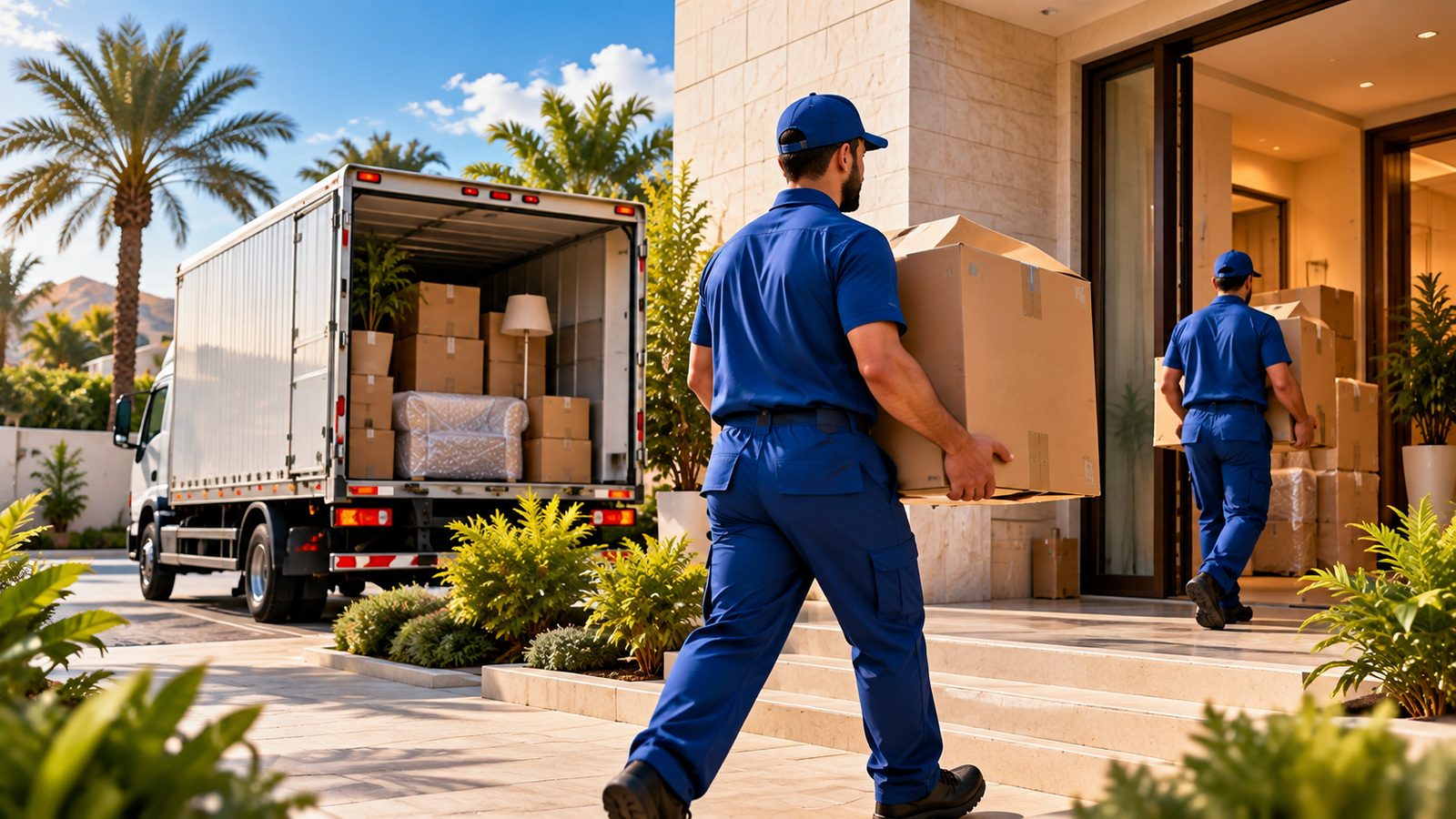
Movers refuse to carry certain liquids and perishables for safety reasons, but in Saudi Arabia, some items go further than that: alcohol and pork products are illegal to import, not just declined by your moving company, and food items generally need halal certification to clear customs. Knowing the difference between "your mover won't move it" and "it's against the law to bring it" before packing day saves you a confiscated shipment and a customs fine.
Moving takes a lot of effort. It isn’t only simply putting your things in boxes, shuffling them onto the truck and then hoping for the best. It takes serious planning, a lot of thinking and, finally, a lot of work. One of the most difficult, and biggest, parts of the move is the packing itself. First, you need to decide what you will take to your new home. Then, figure out how to best pack these items, and then pack them. And you still aren’t done. There are some items that a lot of moving services Saudi Arabia won’t move. It’s either illegal, can be dangerous, or they simply cannot guarantee that they can transport them safely. This is why you need to be the one to pack liquids and perishables when moving.
| Category | Examples | Why it’s restricted |
|---|---|---|
| Illegal to import (law) | Alcohol in any form, including cooking wine; pork and pork products | Prohibited under Saudi law regardless of quantity — confiscated, with fines or imprisonment for larger amounts |
| Refused by movers (liability) | Gasoline, motor oil, car batteries, flammable cleaning agents, ammunition | Fire or spill risk in a truck or container; most movers won’t accept liability |
| Needs certification (customs) | Meat and animal-origin food, plants and seeds | Meat needs halal certification; plants may need a phytosanitary certificate |
| Needs cold handling (perishables) | Fresh food, dairy, produce | Spoils in high truck temperatures during transit, especially over longer distances |
Why you need to pack liquids and perishables when moving
You might be wondering why your movers won’t move these items, and why you need to pack liquids and perishables when moving, as well as transport them. First, keep in mind that these don’t apply to every move, as well as every mover. You need to talk to your moving company about their restrictions when you request a free quote from them. And however different these items are, there is one thing that connects them. Movers don’t move them for your safety, whether it’s your personal safety or the safety of your items. Here’s the list:
- gasoline, motor oil and similar flammable chemicals;
- ammunition;
- car batteries;
- flammable house cleaning agents;
- children chemistry sets – surprising, but still amongst the things when you pack liquids and perishables when moving.
Chemistry sets can be dangerous.
Finally, a lot of movers will just refuse to carry liquids because they are easy to spill. On longer moves, they will also refuse to bring food and plants with them. This is because sometimes it may take a week or so for your things to reach you. By that time, the food will have spoilt and the plants would be dead. So, the question stands – how can you pack liquids and perishables when moving?
How to pack liquids during a move
As we already discussed, the biggest risk of moving liquids is spilling them. However well you pack or protect them, spilling them in the truck can not only damage all the items around them but the vehicle as well. This is one of the major reasons why professional moving companies in Saudi Arabia discourage you from packing them in the move. If you really need to pack these things, however, there are some useful steps to follow.
Secure the bottles well.
First, you will need to get rid of as many stuff as you can. Decluttering your home is a normal thing to do during the move. Not only will it help you save space in the truck, but you will also save money this way. However, it is also beneficial for cleaning up your home. Throughout our lives, we collect a lot of things. It doesn’t really matter if it’s souvenirs from our travels or multiple bottles of shampoo – people are hoarders. This is why it’s important to go through all the liquids in your home and decide what you really need with you. Toss away the rest, or use them up before the move.
How to pack bottles
The next thing you need to do is secure the bottles you will be taking with you. First, check if they are open or not. If not, they are already pretty secure for the transport. You will, however, need to pay extra attention to the open ones. Tightening their lids is the first step. Then, for added protection, you will want to tape the lids so nothing spills through somehow. As far as the boxes go, use plastic bins instead of cardboard boxes. This way, even if something spills, the liquid will not go through plastic like it would through cardboard. Just keep in mind to use eco-friendly bins, of course!
How to pack perishable items for the move
We already talked a little bit about perishable items, and why they can be dangerous for movin g. If you are still unsure about what these are, there is a simple rule of thumb. Perishables are the items that have an expiration date on them. These include foods as well as organic items. The reason why logistic companies in Saudi Arabia have trouble transporting them is because they are weak to heat. And since it can get pretty hot in the truck, depending on where you are moving, they can start to rot easily.
Think about whether you need all those cans.
The same applies to these items as it does to the liquids when planning to move them. Make sure you really need them. Before you start to pack liquids and perishables when moving, go through each item. It will be better if you can use it in the weeks before the move or donate it. First, canned goods can often get pretty heavy (you might even need conversion tools to figure out just how heavy they are!). So, not only can they be dangerous to transport, but they will increase the cost of your move. So, transport them only if you think you will really need these items in your house. Remember, you can always buy new ones after the move!
If you still insist on transporting them, there is only one thing that needs to be in your mind. These items need to be in cool temperature. What this means is that either the truck itself needs to have some sort of temperature control, or you need to make sure you have a cold container to pack liquids and perishables when moving.
Which Liquids Are Actually Illegal to Bring Into Saudi Arabia?
Most of what your mover won’t carry — gasoline, flammable cleaning agents, car batteries — is a safety and liability decision on their part, not a legal one. Alcohol is different. It’s illegal to import into Saudi Arabia in any form, including cooking wine and alcohol-based flavorings, with no personal-use exception. Customs confiscates it on discovery, and larger quantities can lead to fines or imprisonment, since it’s treated as an attempted smuggling case rather than a packing mistake.
Pork and pork products are prohibited for the same reason — under Islamic dietary law, not mover policy — so bacon, pork-based seasonings, and gelatin products derived from pork should be used up or given away before your shipment is packed, not left for customs to find.
Does this apply to a small personal quantity, not a commercial shipment?
Yes. Saudi customs doesn’t apply a “small enough to overlook” exception for alcohol or pork. A single bottle in a personal household shipment is treated the same as a case, so the safest approach is simply not to pack either category at all.
What Documents Do Perishable Food Items Need to Clear Saudi Customs?
Perishables carry a different kind of restriction — not banned, but conditional. Meat and animal-origin food items need halal certification to clear Saudi customs, and food that doesn’t meet this standard can be destroyed at the importer’s expense rather than returned. Plant products, seeds, and fresh produce may need a phytosanitary certificate confirming they’re free of pests or disease before customs will release them.
If a perishable item in your shipment doesn’t have the right paperwork, the safest move is to leave it behind and buy a replacement locally after you arrive — a destroyed shipment costs more than the item was worth in the first place.
How Hot Does It Get Inside a Moving Truck in Saudi Arabia?
Saudi Arabia’s summer heat is the main reason perishables and some liquids don’t survive a move well. Ground temperatures regularly reach 45–50°C between June and September, and an uninsulated, unrefrigerated truck or shipping container can climb well above the outside air temperature while sitting in direct sun. That’s more than enough to spoil food within hours, not days, and can cause pressure buildup in sealed liquid containers.
If you’re moving during summer months, pack perishables in an insulated cooler with ice packs rather than a standard box, and ask your moving company whether temperature-controlled transport is available for the leg of the move that matters most — usually the time a container sits at a port or depot rather than the drive itself.
Pack carefully
Knowing the difference between what your mover won’t carry and what Saudi customs won’t allow at all is what keeps a shipment moving instead of getting confiscated. Four Winds Saudi Arabia can flag anything in your inventory that needs certification or should be left behind before packing day. Get a free moving estimate and pack liquids and perishables with a team that knows exactly what clears customs and what doesn’t.