
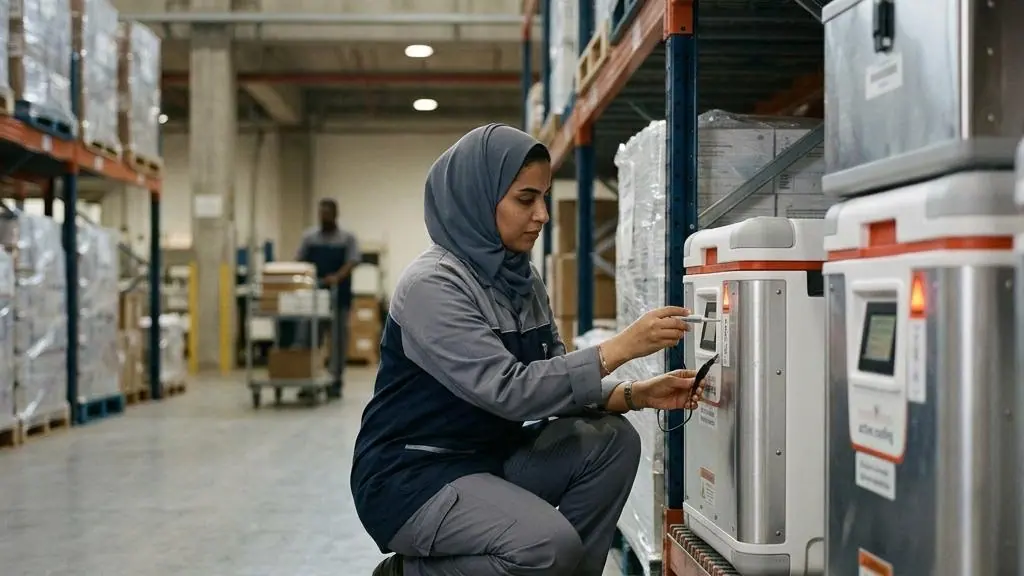
Keeping perishable goods safe in Saudi Arabia’s heat is tough. Cold chain logistics in Saudi Arabia is about storing items like medicine and food at safe temperatures. But with the extreme climate, shipping and logistics companies face big problems, like high energy costs, spoiled products, and frequent equipment issues. To manage these, companies are turning to simple and smart solutions to keep items fresh and safe. This article explains the main problems of cold storage in Saudi Arabia and looks at straightforward ways companies protect perishable goods in such hot conditions.
The Importance of Cold Chain Logistics in Saudi Arabia
In Saudi Arabia, keeping perishable goods safe in extreme heat is a challenge. For industries like healthcare, food, and agriculture, maintaining a strong cold chain is a must. The high temperatures, especially during summer, make it hard to control the temperature of items in storage and transportation. This is why many businesses look for a well-equipped warehouse for rent in Jeddah to help store sensitive products. These warehouses need special cooling systems and other tools to keep goods safe.
The Need for Cold Storage in Extreme Climates
Cold storage is very important in Saudi Arabia for keeping items like medicines, fruits, vegetables, dairy, and meats from spoiling in the intense heat. Summer temperatures can go over 110°F (43°C), which means perishable items can go bad quickly without proper storage. Cold chain logistics help keep these products at safe temperatures from the time they’re stored to when they reach customers. Many businesses rely on a good warehouse in Riyadh to store these sensitive goods, keeping them fresh and safe. This isn’t just about quality—it’s also about following safety standards that are important for both companies and consumers.
Proper cold chain logistics in Saudi Arabia is very important since the local climate makes it very difficult to transport and store perishable items while protecting them from spoiling in the high heat.
The Saudi Climate’s Impact on Cold Chain Management
Saudi Arabia’s hot, dry climate makes cold storage tough. High temperatures mean warehouses need more cooling, which drives up energy use and costs. Equipment in these conditions also wears out faster, so breakdowns happen more often. For businesses, this means higher expenses and more maintenance work to keep things running smoothly. To handle these issues, companies need reliable solutions, like an air conditioned warehouse that can keep items safe without breaking down. Using a strong, efficient cooling setup helps keep goods at the right temperature and saves on costs in the long run, even in Saudi Arabia’s challenging climate.
Common Challenges Faced by Cold Chain Warehouses in Saudi Arabia
Operating cold storage facilities in Saudi Arabia involves several challenges:
- Temperature Stability: Maintaining consistent temperatures is difficult when exterior conditions fluctuate widely.
- Energy Demand: The intense cooling needs contribute to high energy usage, leading to higher operational costs.
- Equipment Reliability: Continuous cooling places a heavy load on equipment, raising maintenance needs and replacement costs.
- Product Integrity Risks: Inadequate temperature control can lead to spoilage, reduced shelf life, and compliance issues for perishable goods.
These challenges underscore the need for innovative solutions that are both cost-effective and resilient under extreme heat.
Innovative Cooling Technologies Tailored for Saudi Arabia
Keeping products cool in Saudi Arabia’s extreme heat requires reliable cooling technology. Many businesses are now using advanced refrigeration systems that use less energy to keep goods safe. Some facilities use special hydrocarbon-based coolants or evaporative cooling, which lower energy costs and are better for the environment. Unlike older cooling methods, these systems keep temperatures steady without using a huge amount of power.
Aside from keeping inventory fresh and protected from heat, some of the more modern cooling technologies used in warehouses today can also save money by cutting down on energy use.
Effective Insulation Techniques for High Heat
Insulation is really important for keeping perishable items safe in Saudi Arabia’s heat. Warehouses here use special types of insulation that work well in high temperatures. Materials like thick layers of polyurethane foam and reflective barriers help block outside heat, keeping the inside temperature steady. Newer solutions, like phase-change materials, are also being used. These materials can absorb heat when it’s too warm and release it when it cools down, giving extra temperature control.
Leveraging Renewable Energy for Cost-Effective Cooling
Because cold storage needs a lot of energy, using renewable energy is a smart way to save money. Solar power works well in Saudi Arabia since the country gets a lot of sunlight all year round. Many warehouses have put up solar panels to help meet their energy needs. This reduces the amount of electricity they need from the grid, which lowers energy costs overall. Using solar energy not only helps save money but also fits with Saudi Arabia’s Vision 2030 goals of being more sustainable and cutting down on carbon emissions.
Advanced Monitoring and Temperature Control Systems
Advanced monitoring systems are very important for managing cold storage effectively. Many warehouses in Saudi Arabia now use IoT sensors to keep track of temperature, humidity, and how well the equipment is working. These sensors send information to a central system, allowing staff to change settings from a distance. If the temperature goes above a safe level, automated alerts will notify workers right away so they can take quick action to prevent spoilage.
Advanced temperature monitoring systems use sensors that send updates to warehouse operators and allow them to change the air conditioning settings remotely when needed.
Efficient Transportation and Distribution Strategies
Efficient transportation is just as important as managing warehouses for keeping cold chain logistics in Saudi Arabia working well. Refrigerated trucks with temperature-controlled compartments help keep perishable goods at the right temperature. It works even when traveling long distances across the hot Saudi desert. These trucks are very important for preventing spoilage. Also, route optimization software helps businesses find the quickest and shortest paths to their destinations. This not only cuts down on travel time but also lowers fuel costs and reduces the time products are exposed to the heat.
Compliance with Saudi Regulations and Standards for Cold Storage
In Saudi Arabia, businesses that run cold storage facilities must follow strict rules to keep consumers safe and healthy. It is important to comply with guidelines from the Saudi Food and Drug Authority (SFDA) and international standards like ISO 22000 for food safety. Following these rules helps businesses avoid fines and protects public health. Warehouses need to check and maintain their equipment regularly, keep track of temperature records, and make sure they can trace their products.
Take Your Time Figuring Out Cold Chain Logistics in Saudi Arabia
The future of cold chain logistics in Saudi Arabia depends on new ideas that can deal with the extreme heat effectively and in an environmentally friendly way. Using advanced cooling technologies, better insulation, renewable energy, and digital monitoring systems is changing how cold storage facilities work. These innovations help reduce costs and improve reliability. As more businesses start using these methods, the cold chain logistics industry in Saudi Arabia will become more efficient and sustainable. This will also help them meet safety rules and make sure that important perishable goods can be delivered safely across the country.