
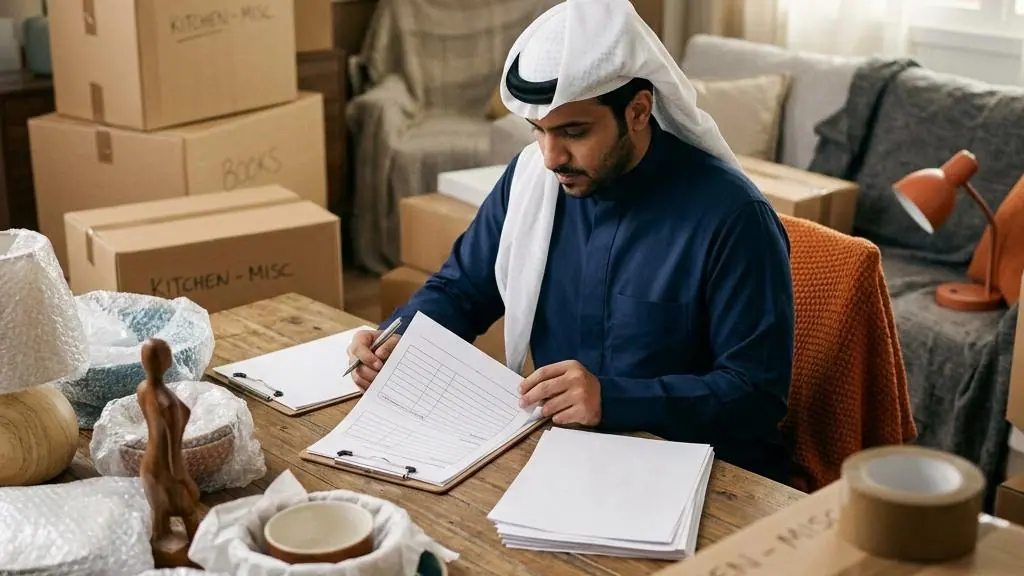
If you’ve ever stored furniture or electronics in a regular warehouse here in Saudi Arabia or Bahrain, you’ve probably seen what the heat can do. The weather here is hard on everything—wood cracks, metal rusts, and paper curls fast. That’s why climate control protects your belongings in Gulf warehouses. It keeps the air cool and dry so your things stay in good shape. You don’t have to worry about mold, dust, or heat damage. And if you’re unsure where to start, working with professionals like Four Winds Saudi Arabia can make it easier to choose the right storage space and keep your valuables safe all year.
Understanding the Gulf Climate
The Gulf weather is hard on almost everything. In Saudi Arabia, summer heat often goes above 45°C. In Bahrain, humidity stays high most of the year, especially near the sea. Even when items are stored indoors, heat and moisture can still cause damage. Furniture can swell, metal can rust, and electronics can stop working. Dust and salt in the air make it worse by wearing down surfaces. If you use a regular warehouse in Riyadh, these conditions can harm your belongings fast. Without temperature and humidity control, a few months of storage can damage items the same way years of use would.
Gulf heat can exceed 45°C, which quickly damages furniture and electronics without protection.
Common Problems in Non-Climate-Controlled Warehouses
Leaving your belongings in a standard warehouse might seem fine at first, but damage starts quickly. Wood swells or cracks as temperatures change. Leather and fabrics absorb moisture and develop odors. Electronics can rust or stop working altogether. Documents stick together, curl, or fade. Once this kind of damage happens, it’s hard to reverse. Regular storage units aren’t sealed against heat, humidity, or dust, so small issues soon turn into permanent damage.
How Temperature Control Protects Furniture
Wood furniture expands and contracts as temperatures rise and fall. In the Gulf, that process happens daily and can lead to cracks or loose joints. Glue and finishes also break down when it gets too hot. Climate-controlled warehouses use steady temperatures to stop that cycle. This helps furniture stay solid and prevents fading or peeling. Upholstered furniture also benefits since fabrics keep their shape and color instead of drying out or absorbing moisture.
Protecting Electronics and Appliances
Electronics and Gulf weather never mix well. High heat damages internal parts, and humidity corrodes wiring and connectors. Even small moisture changes can ruin sensitive devices like computers, televisions, and sound systems. In a climate-controlled warehouse, these items are kept at stable conditions, so their components stay intact. Many professional facilities follow international standards for storing electronics, including air filtration and regular temperature checks. That attention to detail makes all the difference when you need your devices to work later.
Humidity Regulation and Its Importance
Humidity is the silent destroyer of stored goods. When moisture builds up in the air, it invites mold, mildew, and rust. Metal fixtures can corrode, while fabrics and paper absorb dampness. Climate-controlled storage facilities in Saudi Arabia and Bahrain use dehumidifiers and air filtration systems to manage moisture. This constant control keeps everything dry without making the air too harsh. For long-term storage, stable humidity levels are just as important as temperature.
Managing humidity levels prevents mold, rust, and corrosion inside storage units.
Safeguarding Documents, Photos, and Collectibles
Paper doesn’t last long in hot, damp air. When humidity is high, pages curl, turn yellow, or grow mold. Ink fades, and documents can be ruined. The same thing happens to photos and art. Using a climate-controlled warehouse in Saudi Arabia keeps the air steady, so heat and moisture don’t cause damage. This helps paper, photos, and files stay clear and easy to read. Families can keep old letters safe, and businesses can protect tax files or records. With stable air and good temperature control, important papers stay in good shape for years instead of falling apart after a few months.
Climate Control Technology Used in Gulf Warehouses
A warehouse in Jeddah needs good protection from the heat and humidity. Modern facilities use thick insulation to keep hot air out and cool air in. Air conditioners and dehumidifiers help control temperature and moisture so items stay safe. Sensors check the air and alert staff if anything changes. Some warehouses also use backup generators, so cooling systems keep running even during power cuts. These simple systems make a big difference in keeping furniture, electronics, and boxes safe. With the right setup, items stay clean and dry no matter how hot or humid it gets outside.
Signs You Should Choose Climate-Controlled Storage
If you plan to store wooden furniture, electronics, or important papers, you need a climate-controlled unit. The Gulf heat and humidity can ruin these items fast. Even clothes, decorations, and business stock can get damaged over time. A regular warehouse can’t stop this kind of wear. That’s why climate control protects your belongings in Gulf warehouses. It keeps the temperature steady and the air dry, so your things don’t warp, rust, or fade. Whether you’re traveling, moving, or just need extra space, choosing a climate-controlled warehouse helps keep everything safe and in good condition for as long as you store it.
Comparing Costs of Regular vs. Climate-Controlled Storage
An air conditioned warehouse costs more than a regular storage unit, but it helps protect your things. Without it, furniture can crack, electronics can fail, and paper can get ruined. Fixing or replacing these items often costs more than paying for good storage. In a controlled warehouse, the temperature stays cool, and the air stays dry. This stops most damage before it starts. You don’t have to worry about rust, mold, or fading. Paying a bit more each month helps you avoid big losses later. It’s a simple way to keep your belongings safe and in good shape for longer.
Climate control protects your belongings in Gulf warehouses and reduces costly damage by keeping items safe.
How to Find Reliable Climate-Controlled Warehouses in Saudi Arabia and Bahrain
When choosing a storage company, check how they manage temperature and humidity. Ask about their systems, monitoring process, and maintenance routine. A clean, sealed facility with 24-hour supervision is a good sign. Reliable providers in Saudi Arabia and Bahrain are transparent about their equipment and offer flexible storage plans. Visit the facility if possible and inspect how items are handled. A professional warehouse should feel cool, dry, and dust-free the moment you walk in.
This Is How Climate Control Protects Your Belongings in Gulf Warehouses
Anyone storing items in the Gulf needs more than regular storage. The weather is too hot and humid for furniture, electronics, and paper to stay safe. That’s why climate control protects your belongings in Gulf warehouses. It keeps the air cool and dry, which stops damage from moisture and heat. You can also help by using high quality packing materials like thick boxes, bubble wrap, and plastic covers. These simple steps protect your things while they’re stored or moved. Whether you’re keeping items for a few months or years, climate-controlled storage is the best way to make sure everything stays clean and undamaged.