
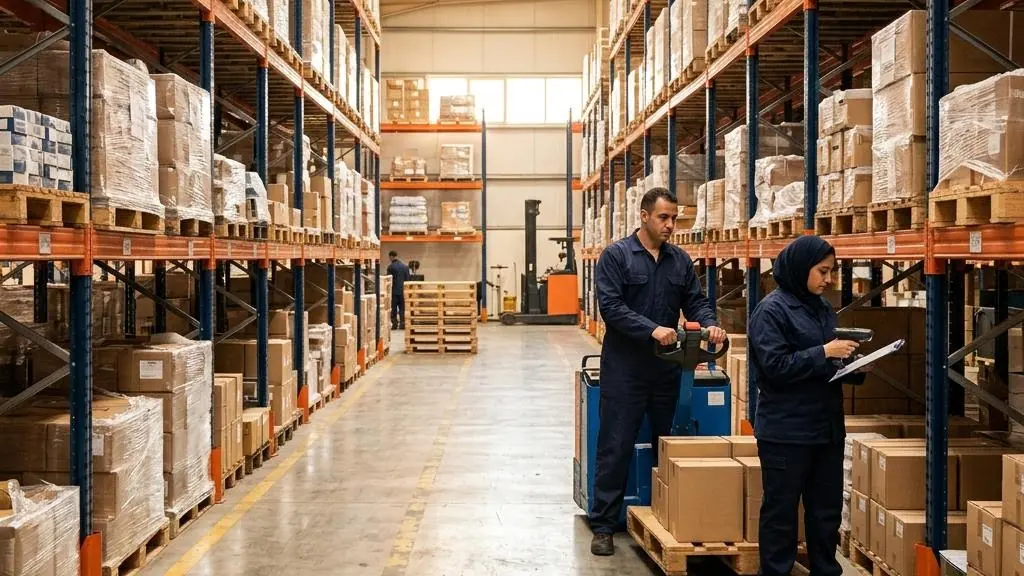
Running a business in Saudi Arabia now costs more than before. Fuel affects every delivery. Labor costs rise in transport and storage. Power bills stay high due to lighting and cooling needs. At the same time, firms face pressure to cut emissions from clients and suppliers. Buyers want proof of cleaner work. This is where businesses can cut costs and emissions using warehouse services. Smart lighting, shared space, better routes, and cleaner packing all help. Many of these changes come from professionals from the top shipping and logistics companies who manage energy, space, and daily handling with clear controls systems.
How Saudi Vision 2030 Supports Green Logistics
Saudi Vision 2030 changed how many businesses think about logistics and storage. The plan supports clean energy, better infrastructure, and smarter use of resources. This includes warehouses, transport fleets, and industrial facilities. The government now offers incentives that support renewable power, energy-saving systems, and efficient building designs. Solar energy receives strong backing across the Kingdom. Smart systems that track electricity use also receive support. Over time, these changes reduce national power demand and lower long-term operating costs for companies. Vision 2030 also aims to make Saudi Arabia a regional logistics hub. Cleaner warehouse operations help attract international clients who now demand strict environmental standards from their partners.
The Role Of Modern Warehouse Services In Cost Reduction
Many Saudi companies no longer build their own warehouses. They rent space in shared facilities instead. A warehouse for rent in Jeddah costs less than buying land and building. It also removes permit delays and large setup fees. The warehouse staff handle security, loading, and inventory systems. This reduces the need for full in-house teams. Shared space uses shelves and floor areas better. Goods move in and out faster each day. Monthly fees stay stable. Repair, labor, and power costs do not swing as much. This helps businesses plan cash flow and growth with less risk. Across many local sectors.
Using shared storage space is one of the most popular ways that businesses can cut costs and emissions using warehouse services through better space use and lower power needs.
How Renewable Energy Lowers Warehouse Operating Expenses
Many Saudi warehouses now use solar power to run daily operations. Rooftop panels help power lights, cameras, and cooling systems. This lowers the need to rely only on grid electricity. When power prices rise, solar use helps control monthly bills. An air conditioned warehouse also benefits from this setup because cooling systems need steady energy all day. Solar power supports that need without high fuel costs. After setup, running costs drop each month. Maintenance stays simple. Over time, energy savings help cover the original investment and keep storage costs more stable for businesses.
Smart Lighting Systems And Energy Control Inside Warehouses
Lighting runs all day inside most storage facilities. Smart systems now prevent waste without affecting safety. Motion sensors activate lights only when staff move through storage zones. LED lighting uses far less electricity than traditional bulbs and lasts much longer. Automated shutoff systems stop power flow during idle hours or night shifts when fewer workers remain on site. These upgrades lower electricity bills while keeping full visibility inside the facility. Cold storage zones also use energy control systems that adjust output based on temperature needs. Over a full year, these savings make a real difference in warehouse costs.
Eco-Friendly Packaging And Its Impact On Supply Chains
Packaging costs affect every shipment. Many Saudi warehouses now shift toward recycled cartons and biodegradable wraps. These materials reduce waste volume and simplify disposal. Landfill fees drop. Waste handling becomes faster and cheaper. Businesses also avoid long-term regulatory risks tied to plastic use. Customers notice these changes as well. Clean packaging improves brand image without large extra spending. Corporate buyers and government clients now expect suppliers to follow cleaner packaging standards. Companies that adopt these materials gain easier access to larger contracts.
Many warehouses now use simple recycled packaging to cut waste and lower disposal costs.
How Sustainable Warehouse Design Cuts Long-Term Costs
The way a warehouse in Saudi Arabia gets built affects power use and repair costs every day. Good wall insulation helps keep the inside cooler during hot months. It also helps during cooler nights. Roof design matters because some roofs reflect heat better than others. This reduces how hard cooling systems need to work. When cooling systems run less, they break down less often. This lowers repair costs and delays replacements. Airflow systems also help move hot air out without using extra power. Over time, these small savings lower monthly bills and keep stored goods in better condition.
Emission Reduction Through Optimized Warehouse Locations
Where a warehouse sits affects every delivery route. Facilities near ports, highways, and major business districts reduce transport distances. Shorter routes mean less fuel burned per shipment. Vehicles suffer less wear from long trips and heavy traffic. Maintenance needs decrease. Fleet replacement schedules stretch longer. Emissions fall with every reduced kilometer. Faster deliveries also improve customer satisfaction while keeping transport costs under control.
How Green Logistics Improves Brand Trust In Saudi Markets
Saudi customers now care more about how goods get stored and delivered. Many buyers check if a company follows basic environmental rules. This is why businesses can cut costs and emissions using warehouse services that run on better systems. Clean storage, lower fuel use, and less waste all affect how a brand looks. Government buyers now expect this from suppliers. Large companies also ask for proof of cleaner work. Online reviews often mention these details. When customers see steady service and responsible handling, they stay with the same supplier longer. This helps build repeat business and stable contracts over time.
Clean storage and organized loading help improve customer trust across Saudi markets.
What Saudi Businesses Should Look For In A Green Warehouse Partner
Choosing the right warehouse partner now involves more than price. Businesses should confirm whether the facility uses renewable power sources. Smart lighting and energy control systems should operate across all main storage areas. Eco-friendly packaging options should remain available for different shipment types. Clear sustainability policies should guide daily operations. Reliable documentation of energy use and waste control adds transparency. A responsible warehouse partner protects both operating budgets and long-term regulatory compliance.
Consider These Ways Businesses Can Cut Costs and Emissions Using Warehouse Services
Running storage and delivery costs less when companies share space. This is one way businesses can cut costs and emissions using warehouse services. Monthly rent stays steady. Power bills drop with solar and better lighting. Shorter routes cut fuel use and vehicle repairs. These changes also help meet Saudi Vision 2030 goals. Customers notice how goods get handled. Many buyers now expect cleaner operations. Storage providers also help with finding a climate controlled unit for items that need it. This protects stock from heat damage. It also reduces waste and returns. Over time, this supports profit and steady service for.