
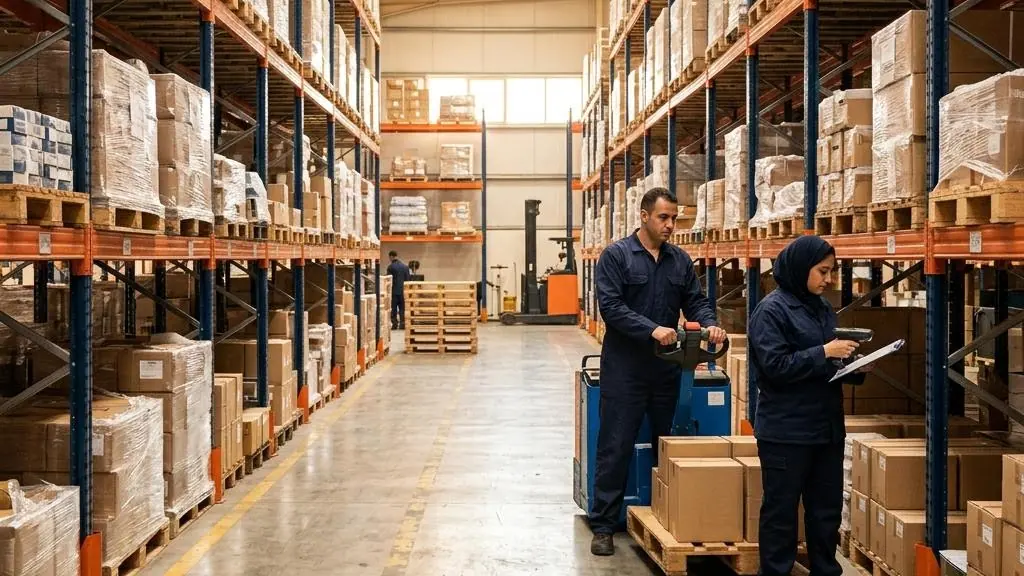
Finding the right warehouse is important for businesses that store and distribute inventory. The right space helps reduce costs and improve efficiency. Before signing a lease, businesses should look at location, security, climate control, and room for growth. Shipping and logistics companies also need to consider accessibility for smooth transportation. A well-chosen warehouse helps businesses run efficiently and avoid delays. Taking the time to choose the right warehouse for your business needs in Saudi Arabia can prevent costly mistakes and support long-term success. Careful planning ensures the space meets current and future needs.
Assessing Your Storage Needs
Before renting a warehouse in Saudi Arabia, businesses need to know what they will store and how much space they need. Some products, like food or medicine, require cold storage. Large equipment needs open space. Shelving, racks, and loading areas should also be planned to keep everything organized. The warehouse should have enough room to store items properly and allow easy access. If there isn’t enough space, moving items in and out can be difficult. Choosing the right size helps avoid problems and keeps business operations running smoothly.
Choosing the Right Location
The location of a warehouse affects delivery times and costs. A good location makes shipping easier and saves money. Businesses should pick a warehouse that works for their needs. A warehouse in Jeddah is a good choice for companies that ship internationally because it is near major seaports. Riyadh is in the center of Saudi Arabia, making it better for businesses that deliver across the country. Dammam is close to industrial areas and Bahrain, which helps with trade. Choosing the right location makes storage and deliveries more efficient.
Deciding on the right location is the first step in choosing the right warehouse for your business needs in Saudi Arabia.
Understanding Warehouse Zoning and Regulations
Before renting a warehouse, businesses must follow Saudi Arabia’s rules for warehouse use. There are two main types: industrial and commercial. Industrial warehouses are used for manufacturing and storing large amounts of goods. Commercial warehouses are for businesses that sell and distribute products. Each type has different rules. Businesses should check local laws to make sure they have the right permits and meet safety requirements. Breaking these rules can lead to fines or business delays. It’s important to check everything before signing a lease to avoid problems later.
Climate Control and Environmental Considerations
Saudi Arabia is very hot, and high temperatures can damage stored goods. Some products, like food, medicine, and electronics, need to be kept cool to stay in good condition. Too much humidity can also cause problems, especially for paper, clothing, and machines. An air conditioned warehouse can help protect these items by keeping the temperature and humidity under control. Not all businesses need climate control, but those with sensitive products should consider it. Checking if a warehouse has cooling systems can help avoid damage and keep inventory safe.
Security and Risk Management
Security is important when renting a warehouse because stolen or damaged inventory can cost a business a lot of money. A good warehouse should have security cameras, limited entry points, and guards on-site. Alarm systems and strong locks help prevent theft. Some warehouses also have 24/7 monitoring for extra protection. Fire safety is just as important. Smoke detectors and sprinkler systems can help stop fires before they spread. Businesses should also ask about insurance in case of theft, fire, or other damage. Checking security features can help avoid big losses.
Looking for a warehouse with good security features will help you narrow down your list and choose the right warehouse for your business needs in Saudi Arabia.
Scalability and Future Growth
A warehouse should have enough space for a business now and in the future. Businesses grow, so it helps to rent a warehouse that allows for extra storage if needed. Some warehouses have flexible lease terms, meaning businesses can expand without moving. Others have sections that can be added or changed based on storage needs. If a business expects to store more products later, it should choose a place with room to grow. Planning ahead helps avoid the hassle of moving to a new warehouse too soon.
Infrastructure and Facility Amenities
A warehouse needs the right setup to keep things running smoothly. It should have working loading docks, forklifts, and other equipment to move goods quickly. A good power supply is important, especially for businesses that use computers to track inventory. Internet access may also be needed for online orders or communication. Some warehouses have office space for managers and staff to handle paperwork and daily tasks. Choosing a warehouse with the right features helps avoid delays and makes work easier. Checking these things before renting can prevent future problems.
Cost Considerations and Budget Planning
Warehouse rental prices depend on location, size, and features. Businesses need to set a budget and make sure the rent is affordable. Besides rent, there may be extra costs like maintenance, utilities, and security. Some warehouses include these costs in the rent, while others charge separately. It’s important to check all expenses before signing a lease to avoid surprises. Knowing the full cost helps with planning and prevents financial strain. Taking the time to review pricing details will help you choose the right warehouse for your business needs in Saudi Arabia.
Coming up with a clear budget for your business will help you determine which amenities you can afford when choosing a warehouse.
Accessibility and Logistics Efficiency
A warehouse should be easy to reach so goods can be moved in and out quickly. Warehouses near highways, seaports, and airports help businesses save time and lower shipping costs. Companies that import products should look for a warehouse close to shipping ports. Businesses that serve local customers may want a location near city centers. The warehouse layout should also make loading and unloading easy to avoid delays. Good transportation access helps businesses run smoothly and get products to customers faster. Choosing the right location can make a big difference.
Finalizing the Lease Agreement
Before signing a lease, businesses should read all terms carefully. It’s important to check how long the lease lasts, if it can be renewed, and any rules on using the warehouse. Some landlords allow flexible lease terms, while others have strict conditions. Business owners should also understand who is responsible for maintenance and repairs. If a business needs to move or downsize, knowing the exit rules can help avoid problems.
Use These Tips to Choose the Right Warehouse for Your Business Needs in Saudi Arabia
To choose the right warehouse for your business needs in Saudi Arabia, it’s important to look at location, security, space, and future growth. Businesses should check how much storage they need and make sure the rent fits their budget. It’s also important to follow local rules and check if climate control is needed to protect products. A warehouse with good access and the right setup can help a business run smoothly. Taking time to review these factors will help avoid problems and make sure the warehouse supports business operations in the long run.