
Saudi Arabia’s summer temperatures often rise above 45°C, which can harm sensitive electronics if not stored properly. High heat can warp parts, cause batteries to leak, and damage plastic cases. This makes it important to learn how to pack electronics for storage in high temperature environments. Using the original boxes, wrapping devices with anti-static materials, adding desiccants to control moisture, and stacking boxes carefully all help protect your items. Even professional shipping and logistics companies often follow these steps to keep electronics safe. Following this advice will protect your devices during storage in hot climates.
Know What Types Of Electronics You’re Storing
First, make a list of the electronics you want to store. Common items include laptops, TVs, gaming consoles, routers, cameras, tablets, and speakers. Some devices are more sensitive to heat, especially those with batteries, LCD screens, or circuit boards. For example, gaming consoles and laptops can stop working if left in the heat for too long. Group your electronics by size or type. This will help you choose the right boxes and figure out how much space you need in a warehouse in Saudi Arabia. It also helps to know which items need extra care when packing.
Check Manufacturer Guidelines Before Packing
Before packing electronics, check the instructions from the maker. Most manuals or websites say the safe storage temperatures for each device. This helps you know if some items need extra protection or climate control. For example, some laptops only handle up to 35°C, which is cooler than many Saudi summers. Batteries need special care. If the battery can be removed, take it out and store it separately in a small ventilated container. Charge lithium-ion batteries to about 50% before storing. This helps avoid damage and keeps your electronics safe.
Before you pack electronics for storage in high temperature environments, make sure to read the manufacturer’s guidelines to see whether any of your items require special care while being stored.
Use The Original Box Whenever Possible
The best way to pack electronics is to use their original boxes. These boxes fit the items well and often have foam or supports inside to protect them. This keeps devices safe during moving and storage. If you don’t have the original box, ask electronics stores or service centers for a similar box. For big items like monitors or printers, use strong double-walled cardboard boxes. Tape the bottom to stop it from breaking. Avoid boxes that got wet before because they can get weak. When storing in a warehouse for rent in Jeddah, tight boxes help keep heat away.
Wrap Each Item With Anti-Static Material
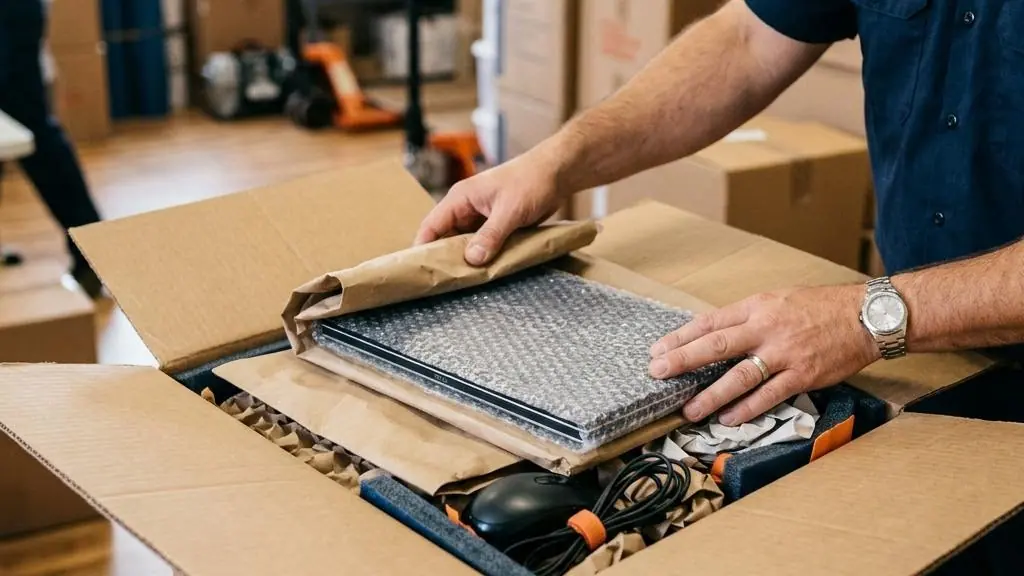
Electronics can be damaged by static electricity, especially in hot, dry places. To stop this, wrap each item in anti-static bubble wrap or foam before putting it in a box. These materials stop static charges that can harm the device’s parts. Wrap the device snugly but not too tightly to avoid pressure on screens or vents. Use tape to hold the wrap, but don’t stick tape directly on the device. If you don’t have anti-static wrap, you can use static shielding bags or foam from electronics stores. Avoid regular plastic wrap or newspaper because they cause static and don’t protect well.
Label Everything Clearly
After packing, write the name of the item clearly on each box. Add notes like “Fragile,” “This Side Up,” or “Keep Out of Sunlight” if needed. Use waterproof labels and thick markers so the writing won’t fade. It’s also a good idea to write your name, phone number, and the packing date on the box. Keep a list of all your stored electronics, either on paper or on your phone. This helps you find items faster and avoid opening boxes just to check. Clear labeling saves time and stops mistakes during storage.
Labeling your boxes clearly will make it easier to find what you need later on when you need to take specific things out of the unit.
Avoid Overpacking Boxes
Don’t put too many devices in one box. Packing too much makes the box tight and hot inside. Each device needs some space around it so air can move. If a box is too full, it might not close well, which can damage the items. It’s better to use several smaller boxes instead of one big box with everything. Smaller boxes are easier to carry and stack. Fill each box so it closes flat without bulging. Tape the box well and shake it gently. If things move inside, add more padding or repack it.
Stack Items Safely Inside The Unit
To pack electronics for storage in high temperature environments, stack boxes carefully to avoid damage. Put heavier boxes on the bottom and lighter ones on top. Keep items with screens standing up and never put anything on top of a monitor or TV. If your storage unit has shelves, use them. Shelving helps keep boxes off the hot floor and lets air flow around them. Leave some space between boxes and the walls for air circulation. Don’t stack boxes more than four high unless you use shelves. Too much weight can damage your items.
Choose The Right Storage Unit Features
Not all storage units protect your items the same way. A climate-controlled unit is best because it keeps the temperature steady and lowers humidity. If that’s not an option, choose a unit that is shaded, insulated, or made with materials that block heat. Avoid metal units without vents because they can get very hot inside. Using pallets or shelves to keep boxes off the floor helps, since floors can get hotter than higher spots. Good airflow or ventilation is important. Picking the right unit in a warehouse in Riyadh helps protect your electronics from heat damage.
Choosing the right size and type of storage unit for your electronics is very important.
Check On Your Electronics Regularly
Even if you pack your electronics well, it’s a good idea to check on them sometimes. Set a reminder to visit your storage unit at least once a month. Open a few boxes and look for signs of moisture, heat damage, or things moving around. Replace any moisture-absorbing packets that look full, and tape up boxes that are loose or broken. If you see warping, smell strange odors, or find wet spots, repack the item and move it to a cooler area. Checking regularly helps stop long-term damage.
Use These Tips to Pack Electronics for Storage in High Temperature Environments
To pack electronics for storage in high temperature environments, you need to plan carefully. Use original boxes when possible to keep devices secure. Wrap items with anti-static materials to stop electrical damage. Add desiccants to block moisture and protect against humidity. Stack boxes safely to avoid crushing or pressure damage. Choosing the right storage unit with climate control features helps keep temperatures steady and reduces risk. Following these steps lowers the chance of permanent damage. Knowing the best techniques for packing your electronics for storage in high temperature environments keeps your devices safe, even in hot places like Saudi Arabia.