
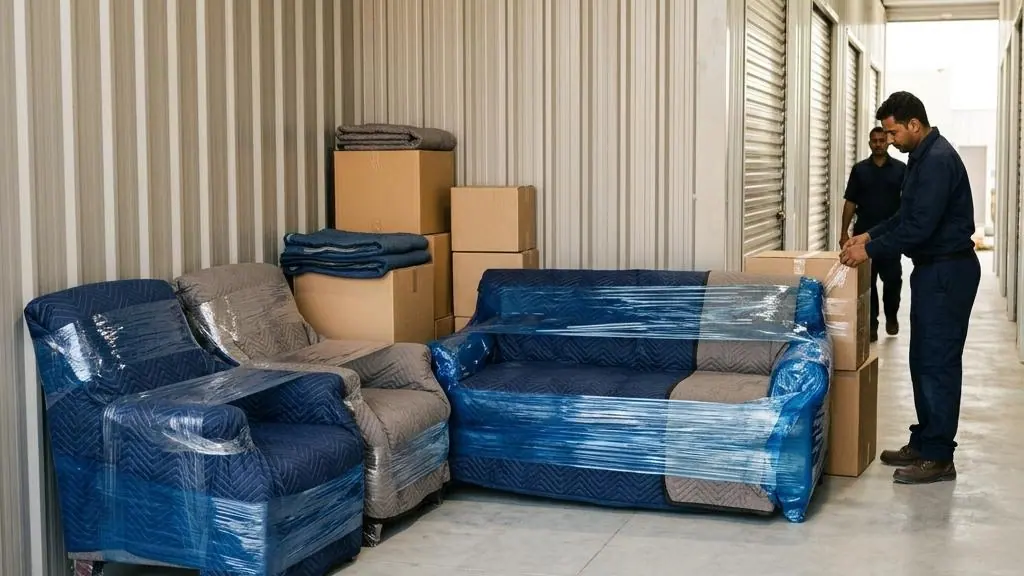
It can be difficult to properly pack old wooden furniture when preparing for an overseas move. Wooden items can easily get damaged, especially with the long travel distances and the hot, dry climate of Saudi Arabia. To make sure your furniture arrives safely, plan your packing strategy well. Hiring movers and packers in Jeddah who know how to handle these conditions can be a big help. They will make sure your valuable pieces are protected every step of the way, reducing the risk of damage by a lot. Proper packing and choosing the right help are key to a successful move.
What Furniture Do You Need Moved?
Before you start packing, it’s important to check your wooden furniture for any damage. Look at each piece for cracks, loose parts, or signs of water damage. This first step lets you see what condition your furniture is in. Knowing this helps you choose the best packing materials and methods to keep your furniture safe. If you find damage, you might need extra padding or special care to make sure these pieces don’t get worse during the move. Taking the time to do this check means you can be sure your furniture is packed as safely as possible.
Getting the Right Materials
When packing wooden furniture for a move to Saudi Arabia, using the right materials is the key to keeping everything secure. You’ll need bubble wrap to cushion the items, strong cardboard boxes or custom wooden crates to hold them, packing tape to seal the boxes, soft blankets or moving pads to wrap around the furniture, and strapping to keep everything tight inside the crate. Make sure to get these materials before you start packing. This helps you organize your packing without delays, ensuring your furniture is well-protected and ready for the long trip. Gathering all these supplies in advance makes the entire process smoother and more efficient.
One of the most important materials you’ll use when you pack old wooden furniture is bubble wrap.
Cleaning and Treating Wood
Before you pack your wooden furniture for the move, it’s important to clean it well. Wipe down each piece to get rid of dust and dirt that might scratch the wood during the move. Once the furniture is clean, apply a layer of furniture polish or wood conditioner.
Disassembling Furniture
If you can, take apart your furniture before you move. Remove the legs, drawers, and any other parts that come off easily. This makes the main part of the furniture lighter and easier to handle. Breaking it down into smaller pieces also makes packing simpler and more organized. Plus, when furniture is taken apart, there’s less chance of damage during the move.
Securing Loose Components
For parts of your furniture that can’t be taken off, like drawers or doors that don’t come out, make sure to secure them well. Use strong tape or wrap them tightly to keep them from opening while they’re being moved. Be careful to place the tape on the wrapping, not directly on the wood. This prevents sticky residue from getting on your furniture. Securing these parts is important not only to keep your furniture in good shape but also to avoid unexpected repairs or cleaning that could add to your international moving costs. This extra care helps ensure everything arrives in good condition.
Wrapping Techniques
When packing your furniture, start by wrapping each piece completely in bubble wrap. This layer helps prevent scratches and dents on the surface. After wrapping with bubble wrap, add a layer of corrugated cardboard. This cardboard is tough and helps absorb any shocks or bumps that might happen during handling and transportation. These steps are crucial to protect your furniture from damage while it’s being moved. Taking the time to wrap everything carefully can save you from costly repairs and keep your furniture looking good when it arrives at your new home.
Wrapping your wooden furniture properly is very important to avoid damage.
Padding for Extra Protection
When moving furniture overseas, it’s important to protect it as much as possible. After wrapping your furniture in bubble wrap, add another layer using moving blankets or foam padding. These materials offer extra protection. They cushion your furniture against the bumps and shakes that happen during transit, especially in cargo containers. This additional padding is essential because it helps absorb impacts and vibrations that can damage your furniture. By taking this step, you ensure that your furniture stays in good shape, avoiding any harm that might come from the rough handling of long journeys.
Securing Furniture in the Container
When you pack old wooden furniture, it’s important to make sure everything stays in place inside the box or crate. Use strapping or strong ropes to hold your wrapped furniture securely. If there are any gaps or empty spaces, stuff them with crumpled paper or extra foam padding. This step is crucial because it stops the furniture from shifting around during the move, which can cause scratches or breaks. Properly securing and padding your furniture ensures it remains stable and protected, minimizing the risk of any damage while it’s being transported.
Labeling for Safety
You should label each box or crate clearly when you pack. Mark them with “Fragile” and “This Side Up” to let handlers know they need to be careful. Also, write down handling instructions and what’s inside each box on the outside. This helps ensure that those moving your items know exactly how to handle them and keep them upright. Proper labeling is key for protecting your furniture during transport, as it guides those handling your belongings to treat them with extra care, reducing the risk of damage.
Labeling all of your moving boxes carefully helps keep everything organized.
Climate Considerations
Considering Saudi Arabia’s hot and dry climate, it’s important to protect your wooden furniture from damage. When packing, put moisture absorbers inside the crates to stop condensation. This helps prevent the wood from warping or getting damaged. Also, choose packing materials that can handle changes in temperature and humidity. These steps are essential because they guard your furniture against the harsh climate during transport. Using the right materials and moisture absorbers will help keep your furniture in good condition, ensuring it arrives just as it was when it left.
Use these tips to pack old wooden furniture properly
When you pack old wooden furniture for an overseas move, paying attention to every detail is key. Make sure to go through all these steps: assess the furniture for any damage, clean it, take apart any removable parts, wrap it well, secure it in the crate, and label everything clearly. A careful approach helps ensure that your furniture arrives in Saudi Arabia in great condition. It’s a good idea to check everything again before the move. Double-checking ensures you haven’t missed anything and keeps your furniture safe, giving you peace of mind as you get ready to move.