
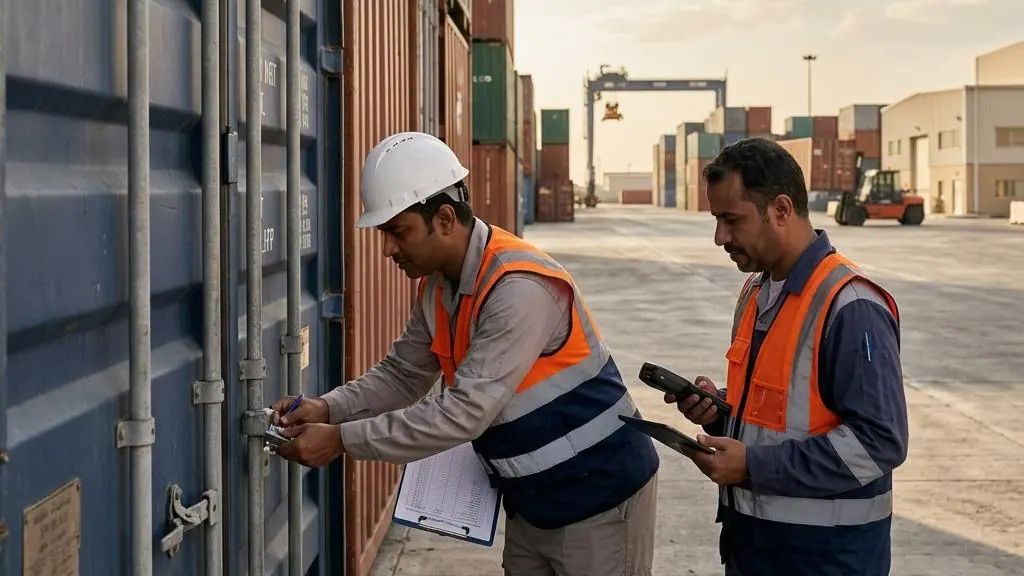
Proper planning plays a vital role when businesses prepare commercial cargo for international transport. Every shipment travels through multiple handling stages, which increases the risk of delays, damage, or compliance issues without careful preparation. Companies must understand packaging standards, documentation requirements, and security measures before goods leave the warehouse. Working with reliable shipping and logistics companies helps businesses navigate complex regulations and ensure cargo moves safely across borders. The right partner provides expertise, coordination, and professional handling that support efficient global delivery while protecting valuable goods throughout the entire international shipping process.
To Prepare Commercial Cargo For Secure International Transport, Evaluate Cargo Type and Shipping Requirements
Every successful international shipment begins with a detailed understanding of the goods being transported and the conditions they will face during transit. Businesses should a nalyze size, weight, fragility, and handling sensitivity before they prepare cargo for international shipping. Certain products require temperature control, reinforced packaging, or specialized containers to maintain quality and safety. Accurate measurements and classification also help prevent loading issues and customs complications later in the process. Companies that plan carefully can choose the most suitable transport method, whether by sea, air, or land. Partnering with experienced logistics companies in Saudi Arabia provides valuable insight into regional regulations, documentation standards, and best packing practices. Professional guidance ensures teams prepare commercial freight efficiently while minimizing risks, controlling costs, and improving delivery reliability across global supply chains.
Certain products require specialized containers to maintain quality and safety.
Choose Strong and Suitable Packaging Materials
Selecting the right packaging materials plays a major role when businesses prepare commercial cargo for international transport. Strong packaging protects goods from impact, vibration, and environmental exposure throughout long shipping routes. Companies should match materials to cargo weight, fragility, and handling requirements to ensure maximum protection. Heavy equipment often requires wooden crates, while delicate items benefit from cushioning materials such as foam inserts or shock-absorbing layers. Moisture-resistant wraps help prevent damage caused by humidity during sea freight. Working with experienced packaging companies in Saudi Arabia allows businesses to access high-quality materials designed for export conditions and international standards. Proper packaging reduces movement inside containers, prevents structural damage, and supports safe handling at every stage, helping shipments arrive securely and in excellent condition.
Use Professional Palletizing Techniques
Proper palletizing improves cargo stability and allows safer handling throughout international transport. Well-organized pallets reduce the risk of product damage during lifting, storage, and loading operations. Businesses that apply professional palletizing techniques create stronger shipment structures that withstand vibration, stacking pressure, and long transit routes. Careful pallet preparation also speeds up warehouse operations and minimizes handling errors at ports and distribution centers. Before cargo leaves the facility, teams should follow proven palletizing practices that improve balance and security while supporting efficient logistics processes. Key tips include:
- Distribute weight evenly across the pallet to prevent tipping or collapse during movement.
- Place heavier items at the bottom to create a stable foundation for stacking.
- Align boxes in tight, uniform layers to reduce shifting during transport.
- Avoid overhanging cargo edges that can lead to crushing or instability.
- Secure the load with stretch wrap or strapping to keep items firmly in place.
Apply Correct Labeling and Marking
Clear labeling and accurate marking play an essential role when businesses prepare cargo for secure international transport. Labels provide handlers, customs officials, and logistics teams with immediate instructions that help prevent mishandling and delivery errors. Each package should display destination details, shipment references, weight information, and handling symbols such as fragile, keep dry, or this side up. Proper marking also supports compliance with international shipping regulations, especially when transporting sensitive or regulated goods. Waterproof and durable labels ensure visibility throughout long transit routes and changing environmental conditions. Companies that focus on labeling accuracy while preparing commercial freight reduce confusion during loading, unloading, and customs inspections. Placing markings on multiple sides of packages further improves identification and handling efficiency, helping shipments move smoothly across borders while maintaining cargo safety and delivery reliability.
Each package should have symbols such as fragile.
Choosing the Right Transportation Method for International Cargo Shipping
Selecting the most suitable transportation method plays a major role when businesses prepare commercial cargo for international delivery. Each shipping mode offers different advantages depending on cargo size, urgency, budget, and destination requirements. Air freight provides speed for time-sensitive shipments, while sea freight supports large volumes at lower costs. Land transport often connects regional distribution points and ensures smooth inland delivery. Companies must evaluate transit times, handling frequency, and environmental conditions before choosing the best option. Working with a reliable cargo service in Saudi Arabia helps businesses compare routes, understand regulatory requirements, and coordinate multimodal transport solutions efficiently. Expert guidance allows organizations to align shipping strategies with operational goals while maintaining cargo safety. Choosing the right transportation method improves delivery performance, reduces risks during transit, and ensures goods arrive securely and on schedule across international markets.
Preparing Commercial Cargo For Secure International Transport Requires Preparing Accurate Shipping Documentation
Accurate documentation forms a critical part of preparing cargo for secure international transport and ensures shipments move efficiently across borders. Businesses must verify that every detail matches the physical shipment before dispatch, including product descriptions, quantities, values, and country of origin information. Errors in paperwork often lead to customs delays, inspections, or unexpected penalties that disrupt delivery timelines. One of the most important documents is the commercial invoice, which provides authorities with essential information used to assess duties and confirm transaction legitimacy. Companies that prepare commercial freight carefully review all supporting documents, such as packing lists, bills of lading, and export permits, to maintain consistency. Clear and precise documentation helps customs officials process shipments faster, reduces administrative complications, and strengthens overall logistics efficiency. In this way, international cargo can reach its destination without unnecessary interruptions or compliance risks.
It is important to prepare accurate shipping documentation.
Ensure Compliance with International Regulations
Meeting international regulations remains essential when companies prepare cargo for global transport, as each country enforces specific import and export requirements. Businesses must understand product classifications, restricted goods policies, safety standards, and documentation rules before shipments leave the origin point. Failure to comply can result in fines, shipment holds, or rejection at the border, causing costly delays and operational disruptions. Proper labeling, accurate declarations, and verified certificates help authorities process cargo efficiently. Working with an experienced customs clearance company allows businesses to navigate complex regulatory frameworks and avoid compliance mistakes. Professional support ensures teams preparing commercial freight follow updated legal requirements while maintaining transparency with customs officials. Strong compliance practices not only protect shipments from delays but also build trust with international partners and strengthen long term supply chain reliability across multiple global markets.
Implement Cargo Tracking and Security Measures
Now, it is important to pay attention to tracking and security measures. Once shipments leave the warehouse, companies must maintain visibility to ensure goods remain protected throughout the journey. Modern tracking systems allow logistics teams to monitor shipment locations in real time, helping them respond quickly to delays or unexpected route changes. Secure container seals, verified handling procedures, and controlled warehouse access also reduce the risk of theft or tampering. Businesses preparing commercial freight should use digital tracking platforms that provide status updates and delivery confirmations, improving coordination between suppliers, carriers, and customers. Advanced monitoring solutions create transparency across the supply chain and strengthen accountability at every handling stage. Reliable tracking and security practices help companies safeguard valuable cargo while improving operational efficiency and customer confidence in international shipping processes.
Conduct a Final Cargo Inspection Before Dispatch
A thorough inspection before dispatch ensures businesses fully prepare commercial cargo for secure international transport and reduces the risk of costly disruptions. This final step allows teams to confirm that packaging remains intact, labels are clear and accurate, and cargo stays properly secured inside pallets or containers. Inspectors should verify shipment weights, dimensions, and sealing procedures to ensure compliance with transport and safety requirements. Documentation must also match the physical cargo to avoid customs complications later in the journey. Checking for loose items, damaged packaging, or incorrect markings helps prevent issues during handling and transit. Companies that prepare commercial cargo carefully through a structured final inspection improve shipment reliability, protect product quality, and strengthen overall logistics efficiency, ensuring goods leave the facility ready for safe international delivery.
By doing a final cargo inspection, you will be sure that all your goods are ready for shipping.
Understanding Cargo Insurance for International Shipments When You Prepare Commercial Cargo
Cargo insurance provides essential financial protection when businesses prepare cargo for international shipping, helping reduce losses caused by unexpected events during transit. Even with strong packaging and careful handling, shipments may face risks such as accidents, weather exposure, or delays beyond operational control. Insurance coverage helps companies recover costs if goods become damaged or lost while traveling across borders. Businesses should evaluate coverage types, declared cargo value, and policy conditions to ensure protection matches shipment needs. Understanding how insurance connects with international moving costs also allows organizations to plan budgets more accurately and avoid unexpected expenses. Companies preparing commercial freight with proper insurance strategies strengthen risk management, protect investments, and maintain customer confidence by ensuring shipments remain financially safeguarded throughout the entire global transport process.
Avoid Common Mistakes Businesses Make
Avoiding common preparation errors helps businesses protect shipments and maintain efficiency throughout global transport operations. Many companies face delays or cargo damage because they overlook small but critical details during the planning stage. When teams prepare cargo for international delivery without clear procedures, mistakes quickly multiply across packaging, documentation, and handling processes. A proactive approach allows organizations to identify risks early and apply consistent standards that improve shipment reliability. Businesses preparing commercial freight should focus on prevention rather than correction, ensuring every stage supports safe and compliant transport. The following tips help reduce common issues and strengthen cargo preparation practices:
- Verify all documentation details carefully to prevent customs delays caused by incorrect product descriptions or mismatched shipment data.
- Use packaging materials suited to cargo weight and fragility instead of relying on standard or reusable boxes.
- Secure pallets and container loads properly to avoid shifting or damage during handling and transit.
- Plan transportation routes and timelines realistically to reduce last-minute errors and unnecessary operational stress.
Check container loads so you can avoid shifting or damage during handling and transit.
How Professional Freight Forwarders Simplify Cargo Preparation
Professional logistics expertise greatly improves the efficiency and safety of international shipping operations, especially for shipments that involve complex regulations and multiple handling stages. Freight forwarders coordinate packaging standards, documentation accuracy, carrier selection, and route planning to ensure cargo moves efficiently across borders. Their industry knowledge helps companies avoid common preparation errors that often lead to delays or added costs. Experienced freight forwarding companies in Saudi Arabia provide valuable support by managing customs requirements, verifying shipment compliance, and organizing secure loading procedures. They also offer guidance on choosing suitable transport methods based on cargo type, delivery timelines, and budget considerations. By working with professionals, organizations reduce operational stress and gain confidence that shipments meet international standards. Expert coordination helps teams prepare commercial cargo more efficiently while improving delivery reliability and maintaining strong supply chain performance in global markets.
Benefits of Properly Prepared Commercial Cargo
Proper cargo preparation delivers measurable advantages that directly impact supply chain performance and customer satisfaction. Companies that prepare cargo for international transport carefully reduce the risk of damage, delays, and unexpected operational costs. Well-organized shipments move more efficiently through customs inspections and handling points, improving delivery timelines and minimizing disruptions. Strong preparation also enhances safety during loading and transit while protecting product quality across long distances. Businesses preparing commercial freight with structured processes gain better shipment visibility, improved coordination with logistics partners, and greater reliability in global distribution, allowing them to maintain consistent service standards and strengthen long term relationships with international clients.
If you prepare cargo for international transport carefully, you will reduce the risk of damage, delays, and unexpected operational costs.
By Using These Tips, You Can Prepare Commercial Cargo For Secure International Transport With Ease
Successful global shipping depends on careful planning, strong coordination, and attention to detail at every stage of logistics operations. Businesses that prepare commercial cargo using proven methods protect their goods, control risks, and improve overall delivery performance. From packaging and documentation to compliance and security measures, each step contributes to safer and more efficient international transport. Working with experienced logistics professionals further simplifies complex procedures and supports smooth cross-border movement. Companies that invest time and resources to prepare cargo correctly build trust with partners, reduce operational challenges, and position their operations for sustainable growth in competitive international markets.