
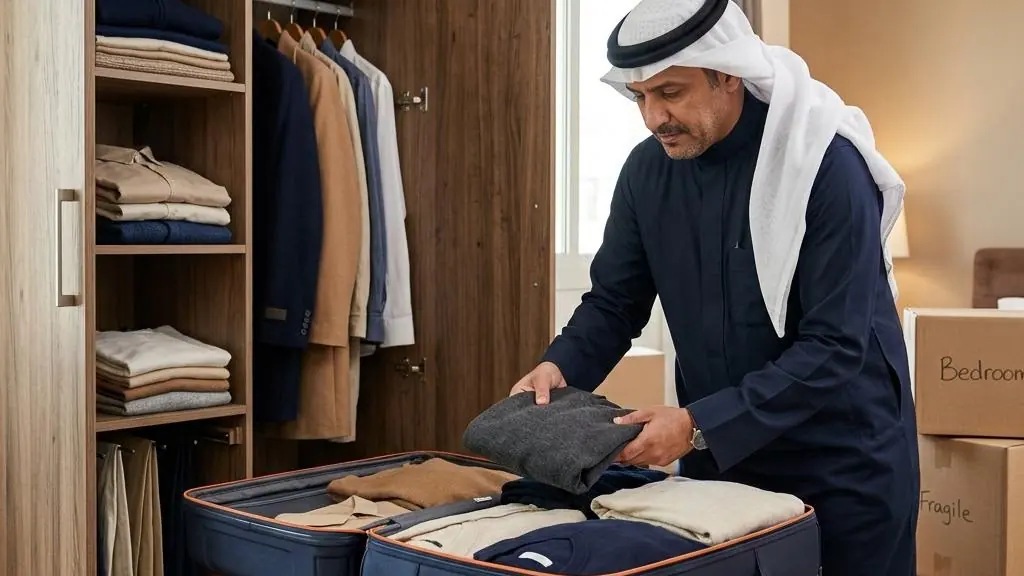
To safely pack your clothes for a move in hot climates, you need simple steps and the right materials. Heat and humidity in Saudi Arabia and Bahrain can cause mold, sweat stains, and odors. Many people use plastic bags or overfill boxes, which traps moisture and leads to damage. Instead, choose breathable containers and don’t pack wet items. Professional movers and packers from Jeddah often see clothing ruined from poor packing. With the right supplies and good planning, you can protect your clothes and avoid extra cleaning after the move.
Understand The Local Climate Before You Pack
In Saudi Arabia and Bahrain, it stays hot most of the year. Coastal areas often have high humidity too. If you pack clothes without airflow, they can trap sweat and grow mold. Cotton and linen are better for heat but still hold moisture. Synthetic fabrics may keep odors. Wool and silk can wrinkle or stretch when it’s too hot. Knowing how heat and humidity affect clothes helps you pack the right way. International movers and packers in Riyadh often advise using dry, breathable materials to protect your clothes during a move in these conditions.
Audit Your Wardrobe
Packing clothes for a hot climate is different from moving furniture overseas. You need to think about what clothes work in the heat. Go through your wardrobe and take out items that are too heavy or dark. Cotton, linen, and rayon are better for hot weather. Thick jackets, wool suits, and dark jeans aren’t useful and take up space. Keep only a few warm items for travel or cold nights. Sell or donate the rest. This step gives you more room and makes it easier to safely pack your clothes for the new climate.
Going through your clothes and decluttering by getting rid of things you won’t be wearing anymore is a great way to lighten your load before a move.
Sort Clothing By Season, Use, And Fabric Type
After choosing what to keep, sort your clothes into simple groups. Put everyday clothes in one pile, formal clothes in another, and winter items in a third. Group fabrics too—keep cotton, linen, and synthetic materials packed on their own. This makes packing easier and helps protect your clothes during the move. It also keeps colors from mixing or fabrics from rubbing and getting damaged. Movers and packers in Riyadh often recommend sorting clothes this way because it saves time during packing and unpacking and helps keep everything in good condition.
Wash And Dry Everything Before Packing
Wash and dry all clothes before you pack them. Dirty or wet clothes can start to smell bad in the heat. In hot weather, even a little moisture can lead to mold. Use a simple detergent without strong scents. Skip heavy fabric softeners because they don’t work well in high temperatures. Make sure everything is fully dry before you fold and pack. If your clothes are even a bit damp, they can grow mildew inside a sealed box or bag. This step helps protect your clothes during the move and keeps them fresh.
Use The Right Packing Supplies to Safely Pack Your Clothes for a Move in Hot Climates
To pack clothes for hot weather, use the right supplies. Packaging companies in Jeddah often suggest strong plastic bins or thick cardboard boxes. These protect better than cheap bags. Avoid plastic trash bags because they trap heat and tear easily. Cloth or canvas bags are safer and let air move through. Vacuum-seal bags help save space, but only use them if your clothes are fully dry. Sealed bags can hold moisture and damage soft fabrics. Always choose containers that let air flow and keep out extra heat and humidity during the move.
You have to use high-quality packing materials if you want to safely pack your clothes for a move in hot climates.
Avoid Plastic Trash Bags For Packing Clothes
Plastic trash bags might seem like a cheap way to pack clothes, but they don’t work well in hot weather. These bags trap heat and moisture, which can cause your clothes to smell bad or grow mold. In hot trucks or storage units, the problem gets worse. Trash bags can also rip or leak color onto your clothes. It’s better to use boxes or fabric bags made for packing clothes. These options allow air to move around and help keep your clothes dry and clean during the move. Avoid trash bags when packing for heat.
Use Silica Gel Or Moisture Absorbers In Each Box
To safely pack your clothes for a move in hot climates, you need to protect them from moisture. Cities in Saudi Arabia and Bahrain often have high heat and humidity. That can make clothes smell bad or grow mold during the move. To stop this, put silica gel packets or other moisture absorbers in every box or bin with clothes. These items pull in extra moisture and help keep everything dry. This is very important if you’re using plastic containers or moving long distance, where clothes stay packed for a while in hot conditions.
Don’t Overpack Boxes
Packing clothes too tightly can cause problems in hot weather. Boxes that are stuffed full trap heat and don’t let air move. This can lead to wrinkles, bad smells, or even mold. Movers and packers from Dammam often see this mistake during summer moves. It’s better to leave some space in each box so air can flow between your clothes. This keeps the inside of the box cooler and helps protect your clothes. Loose packing also makes the boxes lighter, so they’re easier to carry and unpack when you reach your new place.
If you want to safely pack your clothes for a move in hot climates, you have to remember not to overpack your moving boxes.
Use Fabric Garment Bags For Delicate Or Formal Wear
Clothes like suits, thobes, abayas, and silk dresses need extra care when you move. It’s best to pack them in fabric garment bags. These bags let air flow and keep clothes from getting dusty or wrinkled. Plastic covers and dry-cleaning bags trap heat and moisture, which can harm the fabric or make clothes smell bad. If you leave clothes in plastic for too long, they might change shape or lose color. Use fabric bags instead, and hang the clothes carefully. This helps keep them clean, fresh, and ready to wear after your move.
Use Layering To Protect Fragile Fabrics
To safely pack your clothes for a move in hot climates, protect fragile items with soft layers. Use clean cotton sheets, tissue paper, or soft cloth between each piece of clothing. This stops colors from rubbing off and keeps clothes from getting damaged during the move. For example, place tissue paper between dress shirts or wrap dresses with soft fabric. Don’t use plastic or shiny paper, especially in hot weather—they can stick to the fabric. Packing with layers helps your clothes stay clean, neat, and ready to wear after you unpack.
Label Everything Clearly By Category And Room
Movers and packers in Jeddah often say that clear labels save time. Write the clothing type and the room name on each box or bag. This helps you find what you need fast after the move. In hot weather, it’s important to avoid letting boxes sit in the sun while you search through them. You should also keep a simple list of what’s in each box. That way, you don’t have to open everything at once. Labeling keeps your clothes safe and makes unpacking quicker and easier in the heat.
Labeling all of your moving boxes clearly with the type of clothing that is inside them will make it easier to prioritize while unpacking.
Avoid Packing Shoes With Clothes
To safely pack your clothes for a move in hot climates, don’t mix them with shoes. Shoes carry dirt, sweat, and smells—even if they look clean. When packed with clothes, they can make everything else smell bad. In hot weather, this happens faster. Always pack shoes in separate boxes or bags. Wrap each pair in paper or cloth to keep them clean. Use old shoeboxes if needed. This keeps your clothes fresh and safe from damage. Keeping clothes and shoes apart is a simple way to avoid problems during the move.
Avoid Storing Clothes In Closed Cars Or Trucks For Long Periods
In Saudi Arabia, cars and trucks get very hot when parked. The heat inside can rise fast, especially in summer. If you leave clothes in a sealed vehicle, they can get damaged. Clothes may smell bad, lose shape, or get moldy. To avoid this, take the clothing boxes out of the car or truck right away when you arrive. If you need to store them for a short time, keep them in a cool place or in the shade. This helps protect your clothes from heat and keeps them in good condition.
Time Your Packing Around Local Weather Patterns
Try not to pack or move when the weather is hottest. In cities like Riyadh, Dammam, or Jeddah, it gets very hot in the middle of the day. Early morning or late evening is a better time to pack and move. This helps keep your clothes from getting too hot and makes lifting boxes easier and safer. If you’re hiring movers, ask for a morning time slot. Moving when it’s cooler helps protect your things and makes the whole process more comfortable for you and your moving team. It’s a simple but helpful step.
Make sure to check the weather forecast so you can avoid doing physically taxing work like packing and moving on days when it’s too hot.
What To Do If You’re Using Storage In Saudi Arabia Or Bahrain
If you plan to store your clothes before or after moving, choose a place with climate control. Hot weather and high humidity can damage fabrics quickly. To safely pack your clothes for a move in hot climates, make sure the storage unit is dry and has good airflow. Ask if they control temperature and check humidity levels. Put boxes or bins on pallets so they don’t sit on the floor. These steps are easy but help protect your clothes while they’re in storage, especially in places like Saudi Arabia and Bahrain.
Pack Essential Outfits Separately For Immediate Use
Always pack a small essentials bag with clothes and some other items you’ll need right after the move. Add a few shirts, pants, undergarments, and socks—enough for about three to five days. Choose light clothes that work well in the heat. If your move takes longer than planned or you stay somewhere short-term, you won’t need to open all your boxes right away. Keep this bag with you in your car or carry-on, not in the moving truck. That way, you’ll have what you need without waiting or digging through packed boxes in the heat.
Hire Movers Familiar With The Regional Climate
When using relocation services in Saudi Arabia, choose movers who know how to pack for hot weather. Ask if they use materials that let air flow and if they handle delicate clothes with care. Movers who work in the Gulf understand how to deal with high heat and humidity. They know how to load trucks without crushing your clothes and how to avoid long delays in the sun. A team with local experience can help keep your wardrobe safe and clean. Good packing makes a big difference during a move in the heat.
Make sure to hire movers who know how to keep your items safe from the local climate.
Watch For Signs Of Heat Damage After The Move
After your move, open each box and check your clothes for damage from heat. Look for mold, sweat marks, or bad smells. If you see any problems, wash those clothes right away. Let everything air out before you put it in your closet. This helps get rid of moisture and freshens up your clothes. Pay close attention to items like silk or wool, which can crease or change shape in high heat. Finding these issues early makes it easier to fix them and keeps your clothes in better condition after the move.
Use These Tips to Safely Pack Your Clothes for a Move in Hot Climates
To safely pack your clothes for a move in hot climates, take your time and plan ahead. Don’t try to do everything in one day. Hot weather can ruin clothes if you don’t pack the right way. Avoid plastic bags and don’t stuff boxes too full. Let air move around your clothes. Use strong boxes and add moisture absorbers inside. Always label your boxes so you can find things fast. Don’t leave clothes in hot rooms or trucks for too long. With a few smart steps, your clothes will stay safe and clean.