
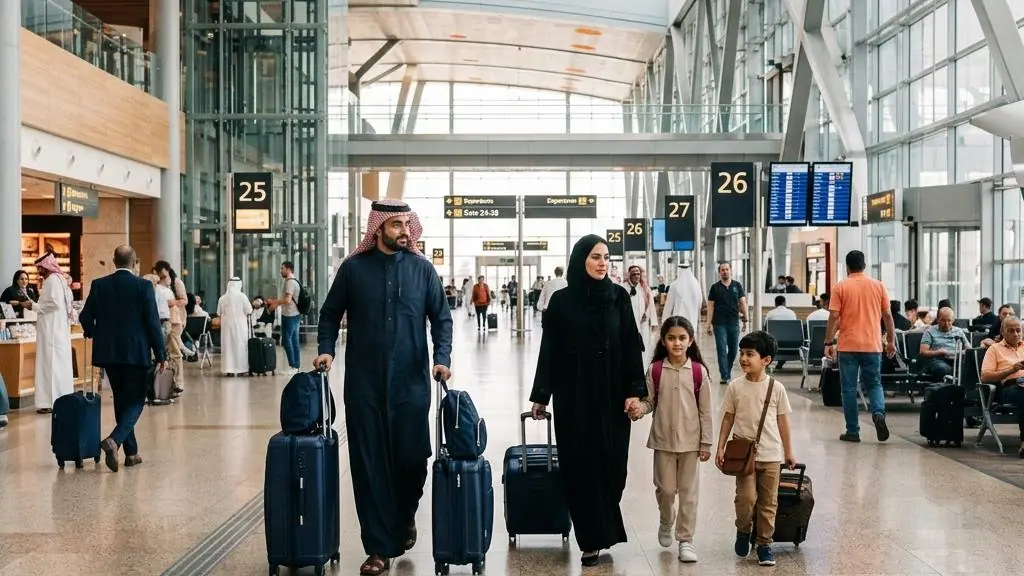
Diplomatic and government personnel moving to Saudi Arabia face unique challenges. Embassy staff, military families, and contractors must follow strict rules for shipping, storage, and customs. Handling classified documents, securing housing, and understanding diplomatic shipping exemptions are very important steps. Planning ahead helps avoid delays with visas and work permits. Working with reputable moving companies in Saudi Arabia ensures shipments meet local regulations. Preparing for cultural differences and work expectations also makes settling in easier. Careful planning makes the move smoother.
Understanding Diplomatic and Government Relocation Challenges
Diplomatic and government personnel moving to Saudi Arabia must follow specific rules. Embassy staff have limits on what they can bring. Military families need to arrange housing and schools through their branch. Government contractors may need extra paperwork for work permits and background checks. Security and logistics are important, and planning ahead helps avoid problems. A good moving company in Saudi Arabia can help with shipping and storage. Knowing the rules early makes the process easier and prevents delays.
Planning a Government-Sanctioned Move
Government-approved relocation services are needed for diplomatic and military moves. These services follow security and logistics rules to make sure everything follows Saudi regulations. Timelines are set based on deployment schedules, embassy moves, or contract dates. Delays can affect work, so it’s important to plan ahead. Experienced movers in Jubail or another Saudi city can help you schedule shipments, flights, and temporary housing. Working with a relocation coordinator early on helps avoid problems and ensures a smooth move.
Diplomatic and government personnel moving to Saudi Arabia should write down a clear plan and timeline for their relocation to stay organized and avoid delays.
Handling Classified and Sensitive Documents
Diplomatic and government employees need to be careful when moving sensitive materials. Classified documents can’t be shipped with regular items and need to be transported securely. Some documents may need to be destroyed or encrypted before moving. It’s important to talk to security officers to make sure everything follows the rules. To avoid problems, get in touch with moving companies in Yanbu or another city to help with secure handling and ensure everything is done correctly.
Navigating Diplomatic Shipping Exemptions
Saudi Arabia offers customs exemptions for diplomatic and government personnel, but not everything is exempt. Household goods, personal cars, and work items are usually okay, but things like electronics, alcohol, and religious items might be restricted. To avoid problems with customs, it’s important to check what’s allowed. Most professional movers and packers from Dammam recommend coordinating shipments through official channels. This ensures everything is cleared smoothly when you arrive, making the process easier and faster.
Secure Storage Options for Long-Term and Temporary Needs
Storage needs depend on how long you’ll be in Saudi Arabia. Some people may need secure storage for sensitive items, while others just need a temporary place for personal things before they find a home. It’s important to pick a storage facility with good security and climate control, especially for documents, electronics, and valuables. Movers and packers can help by recommending storage options that follow the right rules and offer the security you need for your belongings.
Keeping some of your items in a storage unit will give you more time to get settled in your new home or help you stay organized in a smaller home without having to throw anything away.
Coordinating Multi-Phase Moves Across Different Postings
If you’re moving between multiple assignments, you’ll need to plan your move in stages. A relocation coordinator can help make sure important work items arrive in Saudi Arabia while other things stay in storage. It’s also a good idea to keep a list of your personal and work items to avoid losing anything. Planning ahead is important, especially if you’re moving for a government job that has extra security requirements. This helps make sure everything is in the right place when you need it.
Housing Considerations for Diplomatic and Government Personnel
Some diplomatic staff get housing through the embassy, while others need to find their own place. Government contractors and military families often have housing arranged by their agencies. Security is a big factor when choosing a home, and many government workers live in gated communities. These areas have controlled access, and amenities, and are close to international schools, which is good for families. Knowing your housing options before you arrive helps make the move easier and more organized.
Working with a local real estate agent who has experience working with expats will make finding the right home in Saudi Arabia much easier.
Relocating Military Families to Saudi Arabia
Military families have special challenges when moving, like base assignments, finding schools, and medical services. On-base housing depends on the branch, but off-base housing may need extra security checks. Family members must adjust to new schools, cultural differences, and support systems. Many military bases offer help with relocation and family needs. It’s also important to research international schools and healthcare options before moving to make sure everything goes smoothly when you arrive and settle in.
Customs Regulations and Restricted Items
Saudi Arabia has strict customs rules, and some items are not allowed. Alcohol, pork products, non-Islamic religious materials in large amounts, and certain media may be restricted. Customs officials might also have to check your electronics, like laptops and storage devices. Diplomatic and government personnel moving to Saudi Arabia need to make sure their work equipment follows Saudi import laws. It’s important to check the most up-to-date regulations before shipping items to avoid problems when you arrive.
Adjusting to Saudi Arabia’s Work and Cultural Environment
Government and diplomatic personnel must follow Saudi Arabia’s workplace and cultural rules. Workweeks usually run from Sunday to Thursday, and local laws affect work hours and holidays. It’s important to know cultural norms, like how to greet people, what to wear, and respecting authority. Understanding these customs helps diplomatic and government personnel settle into their new jobs more easily. Being aware of how things work in the workplace will make the adjustment smoother and help avoid misunderstandings.
Getting used to the different customs and etiquette in Saudi Arabia’s work environment is very important for diplomatic and government personnel moving to Saudi Arabia.
Finalizing Legal and Residency Requirements
Visa and residency permits are important for government and diplomatic personnel. Diplomatic visas often come with special benefits, but contractors and military personnel need to follow regular work permit rules. It’s important to make sure all paperwork is ready before arriving to avoid delays. Government workers should check with their agencies to confirm that their residency and work documents meet Saudi Arabia’s legal requirements. Taking care of this in advance helps ensure a smooth arrival and start in the country.
Diplomatic and Government Personnel Moving to Saudi Arabia Should Use These Tips
Relocating to Saudi Arabia as a diplomatic or government employee comes with special challenges. Diplomatic and government personnel moving to Saudi Arabia must handle classified materials and understand customs exemptions. Planning ahead, working with government-approved moving services, and knowing Saudi regulations are an important part of making the move go smoothly. It’s important to sort out legal documents, housing, and secure storage early to avoid delays. With proper preparation, diplomatic and government personnel can adjust to their new roles quickly and efficiently.