
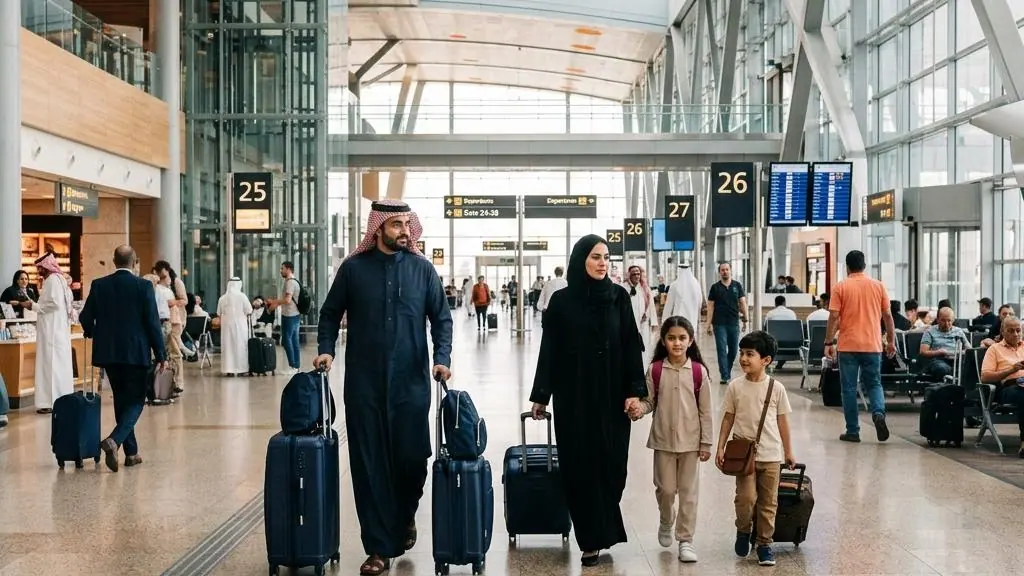
Running everyday errands after moving to Saudi Arabia can feel confusing at first. Things like grocery shopping, finding home supplies, or understanding store hours work differently than what many people are used to. New residents often need time to adjust to local customs, store types, and payment methods. This guide shares simple, helpful tips to make running everyday errands after you move with the help of professional movers in Jeddah or another city easier and less stressful. Whether you’re buying groceries, using delivery apps, or learning store hours, these tips can help.
Understanding Local Shopping Culture
When you move to Saudi Arabia, shopping will be a bit different. There are old-style markets called souks where you can buy fruits, vegetables, spices, and clothes. You’ll also find big modern stores and malls with everything in one place. Most stores have air conditioning and are set up for families. Some areas in malls are for families only. People take their time when shopping, especially in local markets. Also, many stores close for a few minutes during prayer times, so plan your errands around that when you go out.
Where to Go and What to Know About Grocery Shopping
Grocery shopping is one of the first tasks for many people moving to Saudi Arabia. Popular grocery stores like Tamimi, Panda, Lulu, and Carrefour sell a mix of local and imported products, including fresh produce, meats, and baked goods. Availability can vary by location, so it’s a good idea to try a few stores. Larger stores in cities like Riyadh, Jeddah, and Dammam offer a bigger selection. Professional movers and packers from Dammam often recommend checking out the larger stores to find the best variety, especially when you’re still getting familiar with the area.
Comparing Local Markets vs. Hypermarkets
Traditional markets are a good place to buy fresh produce, fish, meats, and spices, usually at lower prices than big stores. You can often bargain with the vendors, especially if you buy a lot. Hypermarkets, on the other hand, are convenient because they sell groceries, clothes, electronics, and home goods all in one place. People often go to traditional markets for fresh food or special items, while hypermarkets are better for weekly shopping trips. Both have their uses, depending on what you need and how much you want to buy.
Running everyday errands after moving to Saudi Arabia is easier if you choose the right type of market for the right type of errand.
Where to Buy Home Essentials
Setting up your home is easier once you know where to shop. For furniture and large appliances, stores like IKEA, Home Centre, and SACO are good choices. These stores offer delivery and assembly services. If you need everyday kitchenware or home goods, Lulu and Danube are reliable options with fair prices. Carrefour also has a good range of home essentials. For faster setups, many of these stores offer online shopping with next-day delivery in major cities. Experienced furniture movers in Dammam usually advise their clients to choose stores with delivery services for convenience.
Buying Electronics in Saudi Arabia
Electronics are easy to find in stores like eXtra, Jarir Bookstore, and online sites like Noon and Amazon.sa. Most electronics sold in Saudi Arabia work with U.S. voltage, but it’s a good idea to double-check. Warranties are often included, and many larger stores offer English-speaking support. Whether you’re buying a phone, laptop, or household electronics, you can shop in-store or have items delivered to your home.
Which Payment Methods Are the Most Popular Options?
Saudi Arabia has quickly adopted digital payments. Credit and debit cards are widely accepted, and contactless payments with Apple Pay, STC Pay, and mada are common. Most grocery stores, malls, and restaurants accept these methods. However, cash is still useful in smaller shops, street markets, and for tipping. ATMs are easy to find across the country, and most banks offer mobile apps to help you access your money. While digital payments are common, it’s good to carry some cash for certain places where cards might not be accepted.
Although most larger stores accept digital payments, cash is still very useful in smaller shops, street markets, and for tipping.
Delivery Services Are on the Rise
Delivery services are common in Saudi Arabia, especially in big cities. Apps like HungerStation, Jahez, and Talabat let you order food from many restaurants. For groceries and household items, apps like Nana, Carrefour, and Noon let you shop online and choose delivery times. To avoid delays, make sure your address is entered correctly. Since many buildings don’t have numbered addresses, it’s helpful to include nearby landmarks or building names. You can also add a contact number to make sure the delivery goes smoothly.
Typical Store Hours and What to Expect
Store hours in Saudi Arabia are different from what you might be used to. Most stores open around 9 or 10 a.m. and close for a short break during midday prayer, especially on Fridays. After that, they reopen in the afternoon and stay open until late at night. Malls and large stores often stay open until 11 p.m. or midnight. Friday is a holy day, so stores open later. When running everyday errands after moving, remember that stores close for about 15 to 30 minutes during each of the five daily prayers.
Plan Ahead for Errands Before Public Holidays
It’s common for national and religious holidays, like Eid al-Fitr and Eid al-Adha, to affect store hours. Many businesses close early or stay closed for a few days. During Ramadan, government services, banks, and some stores may work on shorter hours. It’s a good idea to plan errands ahead of time and check store hours on Google Maps or local apps. You can also find updates on holiday hours through local news or expat forums. Being prepared for these changes helps you avoid delays when running everyday errands after moving.
Don’t forget to plan ahead and finish your errands before public holidays come around.
Language Tips for Everyday Shopping
In larger stores and malls, English is commonly spoken, but smaller shops and markets may only use Arabic. Learning a few basic phrases like “how much,” “thank you,” and numbers can make running errands easier. Many store workers understand basic English, especially in international chains, but it’s helpful to have a translation app on your phone if there are language barriers. In most major cities, signs are in both Arabic and English, which makes it easier to find your way around and handle daily tasks.
Use These Tips to Make Running Everyday Errands After Moving Easier
To make running everyday errands after moving easier, start by using apps like Google Maps to find stores near you. Food delivery apps like HungerStation or shopping apps like Noon can help you order what you need. Ask neighbors, coworkers, or your building manager where they like to shop. Many expats also join local Facebook or WhatsApp groups to get tips on good stores and services. At first, errands might take a little longer, but over time, you’ll get used to how things work and errands will feel more normal.