
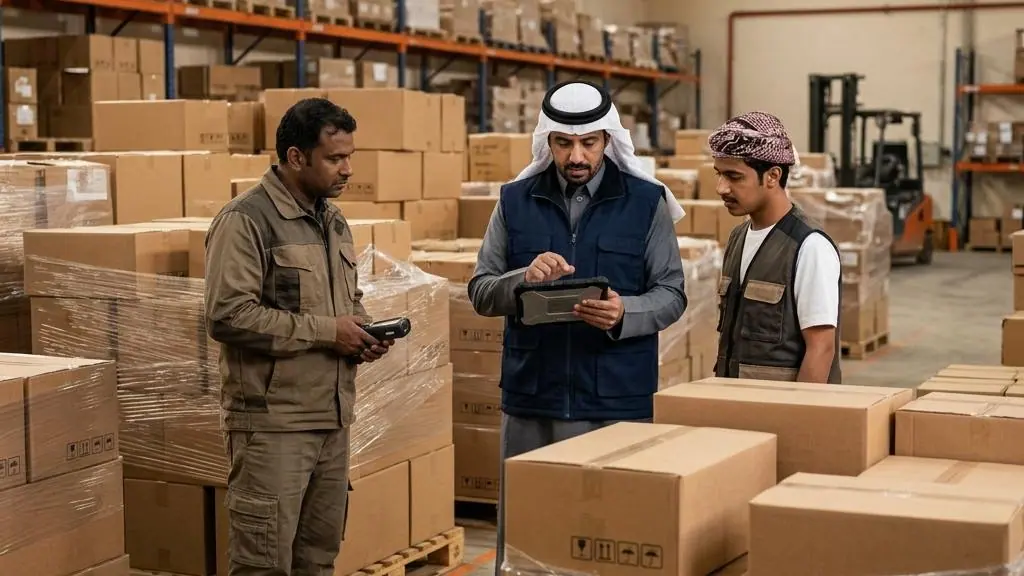
Knowing what happens to your stored items during power cuts or AC failure is important in the Gulf. Bahrain and Saudi Arabia often see summer heat above 40°C with high humidity, making climate control a necessity. Electronics, furniture, and documents can quickly suffer damage when cooling stops. Backup systems help, but not every facility is ready. Asking professionals like Four Winds Saudi Arabia for advice can also help you protect your belongings.
How Hot Can Warehouses Get In Summer?
During summer, warehouses in Bahrain and Saudi Arabia get dangerously hot without cooling. Inside temperatures can climb to 45°C or even 50°C, especially under metal roofs. High humidity makes the problem worse, creating damp conditions that harm stored goods. Even a short power cut can raise the heat quickly and cause serious damage. Many people think short outages do not matter, but in the Gulf, just a few hours can ruin valuable items.
Risks For Electronics In Storage
Electronics are very easy to damage in storage. Heat can ruin batteries, break screens, and harm inside parts. Laptops, phones, and game consoles face the most risk. When cooling returns after a cut, moisture can form inside devices and cause corrosion. Over time, this makes them stop working. Replacing electronics is costly, which is why professionals from the top packaging companies in Saudi Arabia often highlight the need for strong climate control in storage.
Electronics like laptops and phones are highly vulnerable to heat and humidity in storage which is why you need to know what happens to your stored items during power cuts or AC failure.
Impact On Important Documents
Paper does not handle heat and humidity well. In a warehouse in Saudi Arabia, documents can warp, fade, or have ink smear during outages. High moisture makes mold grow fast, and once it starts, it often ruins papers completely. Contracts, certificates, and other important files need a cool, dry place to stay safe. For families and businesses, losing paperwork can cause real problems. Choosing stable storage is the only way to avoid damage.
Other Items At Risk
Many items get damaged in Gulf heat besides electronics, papers, and furniture. Musical instruments can crack or lose proper tuning. Photos and paintings fade or get spots when the air is too damp. Plastics and glue in goods can melt or break apart in high heat. Sentimental things are often impossible to replace. Not every warehouse can protect them, so asking questions before renting is important to keep these belongings safe.
What Warehouse Operators Should Do During Outages
A good warehouse in Riyadh should have steps ready for power cuts. Backup generators must start working fast to keep the cooling systems on. Staff should watch the temperature and humidity to make sure items stay safe. They also need to check units for signs of moisture or other damage. Acting quickly reduces risks. Places without these steps leave items exposed. Customers should choose companies that treat outages as emergencies and respond right away.
How Upholstered Furniture Reacts
Upholstered furniture looks strong but can get damaged fast in bad storage. Heat breaks down the foam inside cushions, while humidity makes fabric weak and moldy. Damp air also causes bad smells that are hard to remove. Over time, these issues ruin both the look and the structure of the furniture. Sofas, chairs, and mattresses stored without good climate control quickly lose comfort and value. Even short outages can cause lasting damage.
Upholstered furniture can lose both its comfort and value when stored without proper cooling.
Smart Backup Solutions Warehouses May Provide
A well-prepared storage place should have backup systems ready. Generators keep the air conditioning on when power cuts happen. Some sites also use dehumidifiers to lower moisture in different areas. Better warehouses even install systems that send alerts if conditions change. This way, staff can act before items are harmed. In Bahrain and Saudi Arabia, asking about these solutions is important. Backup systems are not extra in Gulf storage, they are required.
What Customers Should Ask Before Renting
Before renting a storage unit, ask simple but important questions. Does the facility have a strong generator to keep cooling on? How long does the backup last if the main power goes off? Do they check temperature and humidity every day? Clear answers help you know what happens to your stored items during power cuts or AC failure. A good operator shows proof of systems and practices, not just promises, so customers can trust them.
Steps Customers Can Take To Protect Valuables
Customers can do a few simple things to keep their items safe. Cover furniture with plastic or cloth to stop moisture. Keep electronics in strong cases that are made for storage. Place important papers in waterproof and airtight boxes so they do not get ruined. These steps do not replace climate control but add extra protection. When used with a good storage facility, they make it easier for belongings to stay safe during power cuts.
Customer Risks If Warehouses Don’t Act Fast
If an air conditioned warehouse loses power and does not act fast, the damage can be serious. Electronics can stop working, furniture may get mold, and papers can be ruined. These losses often cost customers a lot to replace. Some places say they have climate control but cannot handle outages quickly. That is why asking about backup plans and response times is important before renting any storage space.
Backup generators are a very important part of keeping cooling on during unexpected power cuts.
Why Reliable Storage Matters In Gulf Environments
In the Gulf, reliable storage is a must because of extreme heat and humidity. Electronics, papers, and furniture can all get damaged quickly. Climate control is not enough if there are no backup systems. Even a few hours without cooling can cause lasting harm. Good warehouses use strong equipment, clear procedures, and trained staff to keep items safe. Picking a place with these protections helps customers feel secure about long-term storage.
This Is What Happens to Your Stored Items During Power Cuts or AC Failure
Options and upgrades like climate controlled storage only works well if outages are planned for in advance. Electronics, papers, and furniture are all items that require climate control. Knowing what happens to your stored items during power cuts or AC failure is important in the Gulf. Customers should ask about backup systems and how fast staff respond. Facilities that prepare properly protect belongings from damage. Choosing the right storage place helps avoid big losses and gives peace of mind.