
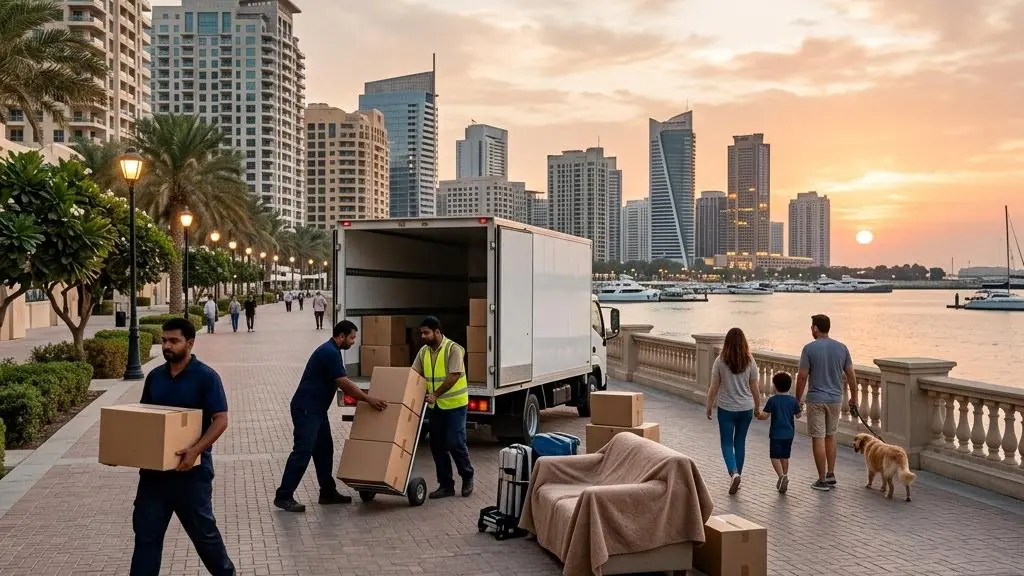
Jeddah sits right on the Red Sea and is one of Saudi Arabia’s busiest cities. Many people move here for work or to be closer to family. Your first month living in Jeddah usually feels very hectic. Between finding your way around, setting up your home, and adjusting to the heat, there’s a lot to handle. The good news is that local services are easy to reach once you know where to look. Working with professional movers in Jeddah can give you the extra time you need to settle in and focus on getting comfortable in your new routine.
First Impressions Of Jeddah
When moving to Jeddah, you’ll see right away that it’s a big, busy city on the Red Sea. It has new buildings, large malls, and well-planned roads. Daily life feels organized but relaxed at night when families go out along the Corniche. Compared to Bahrain or Western countries, neighborhoods and business areas are more separated. The city has everything you need, but routines are shaped by local customs and prayer times. Stores and offices often close for short breaks during the day. Once you get used to the rhythm, living in Jeddah feels easy and predictable.
Navigating The Weather
If you’re planning a relocation to Saudi Arabia, get ready for warm weather most of the year. Jeddah can get very hot and humid, especially from May to September. Daytime temperatures often pass 35°C, and nights stay warm. Most people use air conditioning all day, so it helps to check your power plan early. Light cotton clothes work best, but always dress modestly in public. Try to do errands early in the morning or later in the evening when it’s cooler. Keep water with you, wear sunscreen, and spend time indoors during the hottest part of the day.
Daily life in Jeddah often adjusts around the heat, with many activities done either very early or late in the day.
Housing Setup And Furniture Delivery
When moving furniture overseas to Jeddah, most people start in short-term housing before their main place is ready. Once your home is set, it’s time to bring in your furniture. Some families ship items from abroad, while others buy locally after arrival. Delivery times can be limited in some areas, so it helps to plan ahead. Movers in Jeddah can handle delivery and setup to make things easier. Some people choose to bring in furniture slowly to keep the space clear while unpacking. Always check with your building management before delivery, since many places need advance approval.
Organizing Short-Term Storage In Jeddah
Many people use storage in Jeddah during their first month while waiting for their home or shipment. Climate-controlled units help protect furniture, electronics, and important papers from heat and humidity. You can find storage with monthly or short-term plans, depending on your needs. Working with experienced local movers in Jeddah can make this part of the process much easier, since they can move your things in and out of storage when needed. Before choosing a place, check how secure it is, when you can access your items, and if insurance is available. This helps you stay organized while settling in.
Storage spaces can be very useful for protecting your stuff during the first few weeks of settling in.
Local Transportation Options
Getting around Jeddah is simple once you learn the main routes. Most people use cars, taxis, or ride apps like Careem and Uber. Buses run in some areas, but they don’t reach every part of the city yet. If you plan to drive, you’ll need a local or international license and your iqama. Traffic can be busy on main roads, especially during rush hours. Hiring professional furniture movers in Jeddah can help you by giving you the extra time you need to get used to Jeddah’s public transportation system right away, instead of worrying about deliveries or heavy lifting during your move.
Getting Around Without A Car
When you first arrive in Jeddah, it’s common to wait before driving. Many people use Careem or Uber to get around during the first few weeks. Some housing areas also have shuttle buses that take residents to malls or offices. Walking works in a few neighborhoods like Al Hamra, but most streets don’t have sidewalks. Grocery and food delivery apps can make things easier while you adjust. Later, you can decide if buying or renting a car is worth it. If you plan to move your car later, hire international movers from Jeddah who have experience with international car shipping.
Understanding Jeddah’s Neighborhoods
Different parts of Jeddah offer different types of housing. Al Rawdah and Al Salamah are popular because they’re close to schools and shops. Al Hamra is near the Corniche and is good for people who like being close to the sea. Families often choose Al Zahra or Al Shati because they have larger homes. The northern areas are newer and have compounds with gyms and pools. Prices and traffic can change a lot depending on where you live. It helps to explore before deciding. Professionals who offer the top relocation services in Saudi Arabia also might be able to give you advice based on their experience with previous clients.
Exploring different areas and consulting with experienced local realtors during your first month living in Jeddah will help you find a location that fits your daily needs.
Managing Utilities And Internet Setup
Setting up basic services is one of the first things to do during your first month living in Jeddah. Electricity and water are handled through official Saudi platforms, and you’ll need your iqama to register. Internet plans from STC, Mobily, or Zain are easy to find, but installation can take a few days. It helps to apply early so you don’t lose time waiting. Keep your lease and ID ready because companies often ask for them when setting up service. Most people pay bills online, which keeps things simple and helps you track your monthly expenses easily.
Grocery Shopping And Local Markets
Grocery shopping in Jeddah is simple once you know where to go. Big stores like Danube, Panda, and Carrefour sell food, cleaning products, and international brands. Smaller corner shops and local markets, called souqs, have fresh fruits, vegetables, and seafood. Many people like the fish market near the Corniche because the prices are fair and the food is fresh. Imported products usually cost more, but most local goods are affordable. It’s easier to shop in the evening when it’s cooler and less crowded. Many residents also use delivery apps like Nana or HungerStation to save time.
Dining Out And Food Delivery Services
Eating out in Jeddah is easy, and there are many options for every taste. You can find traditional Saudi food, fast food, and international restaurants in most areas. Many places have separate sections for families and single diners, which is normal in Saudi Arabia. Food delivery apps like Jahez and HungerStation are very popular and work quickly. During your first month living in Jeddah, try different local meals to see what you like best. Keep in mind that restaurants close during prayer times for a short period, so it helps to plan your meals around those times.
Trying local meals during your first month living in Jeddah is one of the easiest ways to feel more at home.
Understanding Cultural And Social Norms
Saudi culture values respect, modesty, and politeness. In Jeddah, people are friendly but behave formally in public. Dress modestly, especially in malls and offices. Women usually wear abayas, and men wear long pants and shirts. Public affection is not common, and alcohol is banned everywhere. During prayer times, most shops close for a short while, so plan errands around those times. Social visits usually happen in homes or compounds, and people invite others directly. Learning these habits during your first few weeks helps you fit in and show good manners toward local residents.
Workweek And Daily Routines
The workweek in Saudi Arabia goes from Sunday to Thursday, and the weekend is Friday and Saturday. Offices usually open early in the morning, then slow down during the hot midday hours before picking up again later. Government offices and banks often close earlier than private ones, so it’s better to handle paperwork in the morning. Traffic can get heavy before and after school or work, so plan errands in between. Shops and restaurants close during prayer times for short breaks. After a few weeks, most people find the schedule easy to follow and plan their day around it.
Healthcare And Medical Registration
Healthcare is easy to access during your first month living in Jeddah. The city has many hospitals and clinics that serve both locals and expats. It’s good to check if your insurance covers the hospital before your visit. Places like International Medical Center and Saudi German Hospital have English-speaking staff and good facilities. You can also register with a local clinic if you need regular checkups or have kids. Pharmacies are common, and many stay open late. Keeping copies of your medical records on your phone helps make visits faster and easier when you need care.
Schooling And Family Setup During Your First Month Living In Jeddah
Families moving to Jeddah can choose from many international schools that follow British, American, or IB programs. It’s best to apply early because spots fill up fast, and you’ll need residency papers for admission. Many schools offer bus services, but check routes before signing up. You can find uniforms and school supplies in large malls around the city. The school year usually starts in late August or early September. Family life often includes school events, weekend trips, and activities in housing compounds. For small children, daycare centers and play areas are easy to find in most neighborhoods.
International and local school options make it easy for newcomers to find the right educational facility for their child.
Setting Up A Bank Account And SIM Card
When you move to Saudi Arabia, you’ll need to open a bank account for daily use. Bring your iqama, proof of address, and a letter from your employer. Major banks like Al Rajhi, Samba, and Riyad Bank are popular with expats. Most people use online banking once their account is ready. For mobile service, the main companies are STC, Mobily, and Zain. You’ll need your passport and iqama to buy a SIM card. Data plans are cheap and work well for maps and calls. Setting these up early makes it easier to manage your first month in Jeddah.
Planning For Long-Term Comfort
After you set up the basics, start building a simple routine that works for you. Go grocery shopping on the same days each week and keep track of your utility bills. Plan deliveries when you’re home, so nothing gets missed. Check how your furniture fits and organize storage so your place stays tidy. If something breaks, you can contact maintenance through your building office or local apps. As weeks go by, you’ll learn where the best stores and services are. Daily tasks become easier, and life in Jeddah starts to feel more comfortable and familiar.
Meeting People And Building Connections
Making friends during your first month living in Jeddah can make daily life easier. Many expats meet others through community groups, gyms, or local clubs. Some housing compounds organize small gatherings or events where new residents can talk and connect. Online groups and social media pages for expats are also useful for finding people with similar interests. Coffee shops and coworking spaces are common places to meet casually. Getting to know people early helps you learn simple things, like where to shop or how to handle local services, and it makes settling into your new routine much easier.
Building friendships early during your first month living in Jeddah helps daily life feel easier and more familiar.
Common Mistakes Newcomers Make
Many people make small mistakes during their first few weeks in Jeddah. Some sign long leases or service contracts too quickly without checking the details. Others forget to confirm delivery times or miss paperwork deadlines. Always read your housing agreement carefully and make sure your iqama and visa are up to date. Keep copies of important documents where you can find them easily. Learn the basic local rules for driving, renting, and banking before you start. Taking a little extra time early on helps you stay organized and prevents problems later while you’re getting settled in the city.
Final Advice For Your First Month Living In Jeddah
Your first month living in Jeddah is the time to get used to the city and take care of basic tasks. Start by setting up your home, utilities, and transport. Things might move more slowly than you expect, so be patient with the paperwork. It also helps to take the time to explore the local culture and customs so daily life feels easier to manage. People are helpful once you ask questions and show respect for local rules. After a few weeks, routines become familiar, and Jeddah starts to feel like a comfortable place to live and work.