
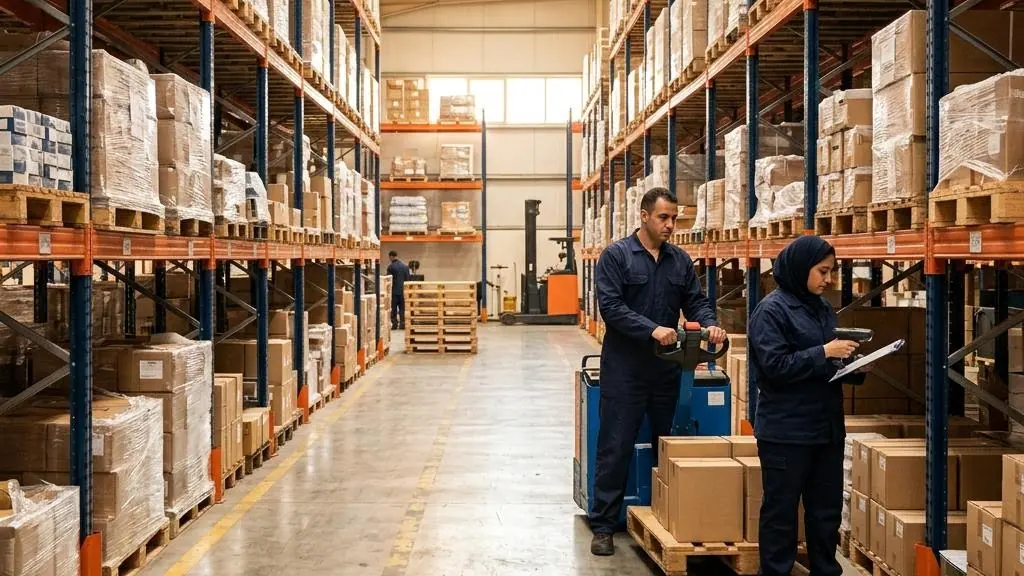
E-commerce in Saudi Arabia and Bahrain has grown rapidly, with more people shopping online. As a result, businesses are handling more orders and needing to deliver faster. A scalable warehousing strategy for e-commerce growth in the GCC is very important for keeping up with this demand. Without the right warehousing system, it’s hard to manage inventory and ensure timely deliveries. To stay competitive, businesses need a flexible approach. Working with a team of experienced movers and packers from Jeddah can also make it easier to manage the logistics, ensuring orders are fulfilled on time and efficiently.
Why Scalable Warehousing Is Important for E-Commerce Success
As online shopping grows in popularity, businesses need to adjust their warehousing needs. Scalable warehousing means having the ability to add or reduce space and resources based on order volume. During busy seasons, like holidays or sales, order volume can increase a lot. Without enough space or resources, delays will happen, and customers won’t be happy. The most important part is flexibility. A good warehousing strategy allows businesses to expand when needed but avoid spending too much on resources year-round. If you’re looking for storage solutions, renting a warehouse in Saudi Arabia can help businesses manage these fluctuations more easily.
A scalable warehousing strategy for e-commerce growth in the GCC helps businesses adjust their storage capacity to meet increasing demand.
Fulfillment Centers Are the Backbone of E-Commerce Operations
Fulfillment centers are very important for e-commerce businesses. They store products, pick, pack, and ship them to customers. These centers help businesses manage large amounts of goods and meet growing demand. Using fulfillment centers can speed up deliveries by shipping directly from one central place. This is important because customers expect fast deliveries. For businesses in Saudi Arabia and Bahrain, fulfillment centers are a very important part of making sure orders are delivered on time. If you need more space, renting a warehouse in Riyadh can help you manage your inventory and meet customer expectations as demand increases.
Cross-Docking Helps With Speeding Up Distribution in the GCC Market
Cross-docking is an efficient distribution method that is gaining traction in the GCC region. It works by unloading goods from inbound shipments directly onto outbound transportation, bypassing the need for long-term storage. This method speeds up the entire supply chain, which is important for meeting the demands of today’s fast-paced e-commerce market. By using cross-docking, businesses can get products to customers much faster. This is especially helpful when there are time-sensitive deliveries or when businesses want to minimize storage costs. Cross-docking is a great way to stay efficient and meet delivery expectations during busy periods.
The Growing Trend of Regional Micro-Warehouses
A new trend in the GCC is using smaller, local warehouses, called micro-warehouses. These warehouses are placed near important customer areas to help businesses deliver faster. Instead of shipping from far away, products are stored closer to customers, making it quicker to fulfill orders. This helps businesses offer fast delivery and stay competitive. Micro-warehouses are great for businesses that want to serve specific cities or neighborhoods. If you need extra space, a warehouse for rent in Jeddah can be a good option to improve delivery times and meet customer demands more easily.
Flexible Leasing Models Are Great for Scaling Your Warehousing Space When Needed
Leasing warehouse space can be a long-term commitment, but businesses that rely on e-commerce need more flexibility. With unpredictable demand, especially around peak seasons, flexible leasing models offer the solution. Instead of committing to a fixed amount of space, businesses can adjust their warehouse size based on their immediate needs. Flexible leasing allows businesses to rent more space during busy times and scale back during slower periods. This approach helps companies avoid paying for space they don’t need and gives them the freedom to scale their operations without being tied down by a rigid lease agreement.
Getting a flexible lease on a warehouse space can make it easier to adjust your strategy as your business needs change.
The Role of Automation in Efficient Warehousing
Automation is changing the way warehouses operate. Automated systems help speed up processes like picking, packing, and sorting, allowing businesses to handle larger order volumes with fewer errors. With the growing demand for fast deliveries, automation has become very important for staying competitive. Automated systems can reduce the time it takes to fulfill orders, which is especially important during high-demand seasons. They also help cut down on labor costs and increase accuracy, making warehouses more efficient overall.
Meeting Delivery Expectations in High-Demand Seasons
When demand spikes during the holiday season or major sales events, businesses need to have a strategy in place to keep up with the increase in orders. Scalable warehousing allows businesses to quickly adjust their operations to handle the extra volume. For example, during peak times, businesses may need to use temporary warehouses or hire additional staff to meet the demand. Flexible warehousing systems make it easier to handle these peaks without losing sight of customer satisfaction. The ability to scale up when needed ensures that businesses can continue delivering orders on time, even during the busiest periods of the year.
Cost Considerations in Building a Scalable Warehousing Strategy
When planning a scalable warehousing strategy, cost is a big factor. Warehouse space, labor, and tools can get expensive fast. It’s important to balance growth with staying within budget. You want a system that can handle more orders without wasting money. Flexible leases, automation, and smart use of space can help reduce costs. Businesses need to find ways to grow without spending too much on space or staff they won’t need all year. If you need more space, getting professional help with pallet racking in Saudi Arabia can make it easier to organize your warehouse and save money.
Coming up with a comprehensive financial plan is very important for long term success.
Challenges in E-Commerce Warehousing in the GCC
Businesses in the GCC face some challenges with warehousing. Not all areas have strong infrastructure, and some still struggle to build warehouses. Labor shortages and rising wages can make things harder, especially when demand is high. However, businesses are adapting. They’re using new technology and working with logistics providers who know the local market. A scalable warehousing strategy for e-commerce growth in the GCC helps companies stay flexible and handle growth. By being innovative and working with reliable partners, businesses can manage these challenges and keep things running smoothly, even in tough times.
Use These Tips To Create a Scalable Warehousing Strategy for E-Commerce Growth in the Gcc
As e-commerce in the GCC keeps growing, businesses need a flexible and scalable warehousing strategy for e-commerce growth in the GCC. They need to adjust their operations to handle more orders and meet demand. This could include using fulfillment centers, regional micro-warehouses, or automated systems. It’s also important to be cost-effective while keeping up with customer expectations. Some products need special care, so usi ng climate controlled units for the items that need it ensures they stay in good condition. With the right approach, businesses can handle the growth in e-commerce and stay competitive in the market.