
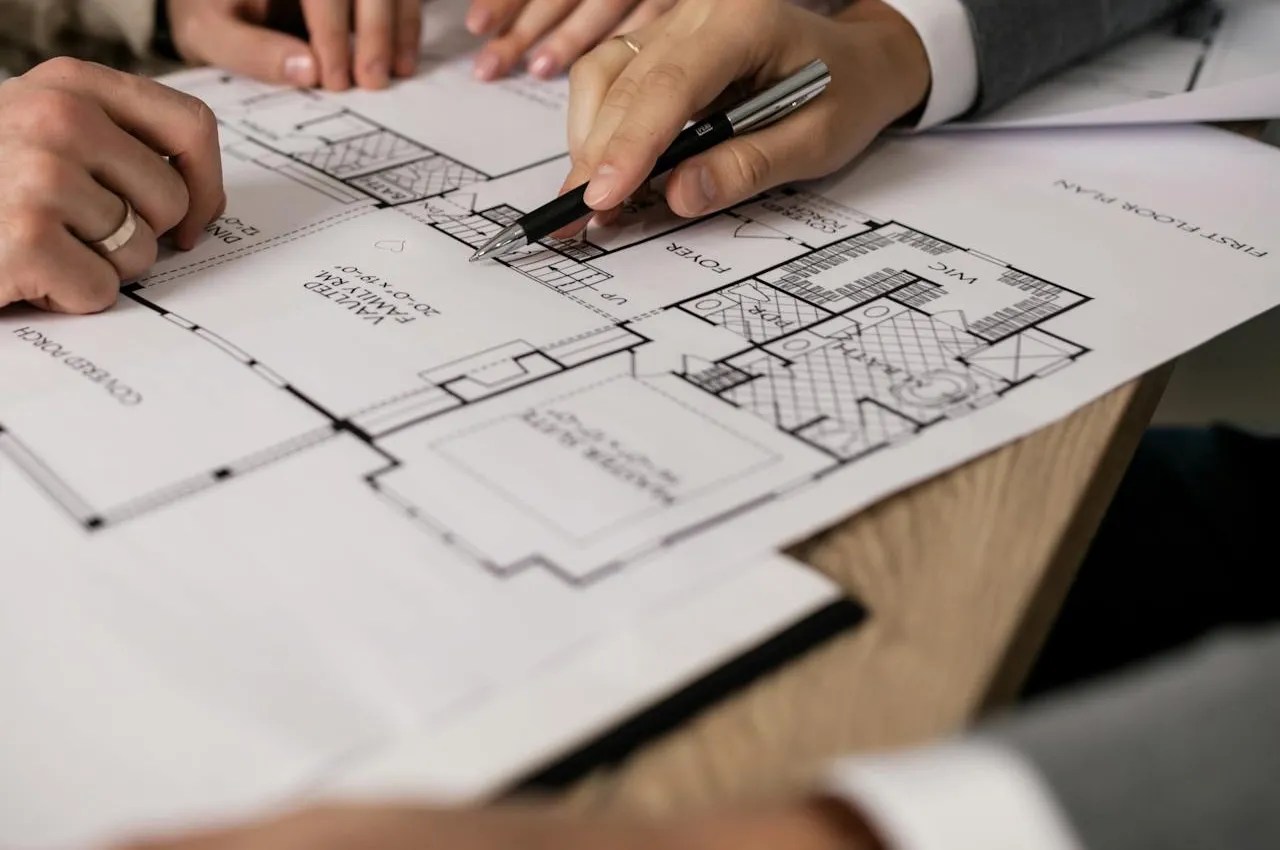
Saudi apartments can feel unfamiliar if you’re used to open layouts. Guest areas, privacy, heat, and humidity shape many floor plans, so it helps to adapt to the housing styles and apartment layouts early. Planning ahead limits furniture that does not fit and reduces storage problems later. Professionals from the top moving companies in Saudi Arabia can help you settle in quickly while you use your extra time to check room flow, measure access points, and organize storage for daily living across different Saudi cities.
Start With a Simple “Fit Check” Before You Commit
Do this before you pay a deposit or schedule any shipment:
- Ask for the unit’s floor plan or a quick video walk-through,
- Measure the lift door width, the corridor width, and the main entry door.
- Confirm parking and where the moving truck can stop,
- Ask if the building requires service-elevator booking.
These four steps prevent most move-day surprises.
Checking basic info about potential homes early helps avoid moving day problems.
The Housing Types You Will See In Saudi Listings
Most expats choose between a few housing types. Apartments range from small studios to larger family units. Some rentals offer a full floor in a villa. That gives more space, but you may still share an entrance or parking. Duplex units include stairs, which affect moving day and daily use. Villas and townhouses provide more room, yet they are often farther from work areas. Compounds attract many expats because they offer gated access and shared facilities. Non-compound homes vary more, so always ask clear questions about management and rules.
Understand Guest Space And Family Space
Many homes in Saudi Arabia separate guest space from family space. Guests usually enter and sit near the front. Daily family life stays deeper inside the home. This layout may feel different if you are used to open plans. Doors and hallways appear more often. Furniture placement matters more in this setup. Large sofas can block walkways and make rooms hard to use. Items used every day should stay in family areas. Clear zones help keep the home organized and easy to manage.
Separate guest and family zones shape daily furniture placement.
Plan Reception Areas Like Real Rooms
Many apartments include a reception room near the entrance. Listings may call it a majlis, sitting room, or salon. This space is usually close to the front door and a guest bathroom. It serves visitors, not daily family use. Furniture choice matters here. Seating should fit the room and leave clear walking space. Large sofas often cause problems. Chairs with a small sofa work better in most cases. This setup keeps the entry clear and makes hosting easier without crowding the apartment.
Pay Attention To Bathroom Setup And Water Systems
Bathrooms in Saudi apartments often differ from what many expats expect. Floors may have drains and stay wet after showers. Showers, toilets, and sinks sometimes share one open space. Hot water may come from a central system or a heater inside the unit. Water pressure can change by floor or time of day. These details matter for daily use. Ask how long hot water lasts and how strong the pressure is. This helps you plan cleaning supplies and simple maintenance items.
Expect More Closed Kitchens Than You May Be Used To
Closed kitchens are common, even in newer buildings. They help keep cooking smells out of living rooms. They also keep guest areas cleaner during visits. Some homes place a small dining table outside the kitchen. Others place dining space closer to guest areas. Storage matters more than kitchen size. Cabinets and pantries can feel shallow. Photos often make kitchens look bigger than they are. If you cook often, check the exhaust fan. Also, confirm where a full-size fridge or freezer can fit without blocking movement.
Closed kitchens are popular because they keep cooking activity away from guest areas.
Check Wardrobes And Linen Storage Before You Decide The Unit “Works”
The number of bedrooms matters, but storage matters more. Some apartments include built-in wardrobes. Others need freestanding closets. Walk-in closets exist, but many are small. Always check how much hanging and shelf space you actually get. Linen storage is also important. Some units do not have a linen closet at all. Without one, towels and bedding end up in bedrooms or suitcases. This creates clutter fast. Enough storage keeps rooms clear and makes the apartment easier to live in day to day.
Build An Entry Plan For Shoes, Sand, And Daily Clutter
In many homes, people remove shoes near the front door. This helps control sand and dust. Many apartments do not include an entry closet. Without a plan, shoes and bags pile up fast. A small shoe cabinet works well for anyone trying to adapt to the housing styles and apartment layouts in the Kingdom. Add a bench if space allows. Keep a tray for keys and delivery items. This setup keeps dirt near the door. It also keeps hallways clear. Clear hallways matter because many apartments have narrow corridors that get blocked easily.
How AC Type And Ceiling Height Affect Furniture Placement
You may see wall-mounted split AC units, central ducted systems, or older packaged units. Each type affects where tall furniture can sit and how air moves through rooms. Ceiling height matters as well. Some living rooms feel tall and open, yet sound carries more. Rugs and curtains reduce echo. Soft furniture helps too. Measure vents and returns before placing wardrobes. Experienced furniture movers in Dammam can help you plan safe placement, avoid blocked airflow, and prevent damage during setup in tight apartments and older buildings.
Know When Off-Site Storage Helps
Off-site storage helps when move dates do not line up. Many expats arrive first and stay short term. The long-term home comes later. Storage helps when shipments arrive early. It also helps after the first lease ends. People often move closer to work or schools and downsize. Bulky furniture can make smaller units feel crowded. Seasonal items also take up space. Keeping them off-site makes daily living easier. Working with professional furniture movers in Jeddah can make it easier to transport stuff in and out of the unit without damage or delays.
Smart storage choices make it easier to adapt to the housing styles and apartment layouts.
Treat Tile Floors And Concrete Walls As Part Of The Moving Plan
Tile floors are common and stay cool. They also scratch if furniture drags. Use felt pads and sliders under legs. Wrap corners well during the move. Concrete and block walls are also common. They do not work like drywall. Mounting shelves or TVs needs care. Some landlords allow drilling. Others do not. Always ask first. Planning helps you adapt to the housing styles and apartment layouts without damage, fines, or delays after move-in and setup.
Riyadh Is Full of Modern Towers, Big Living Rooms, And Strong Demand
Riyadh has many housing types. You will see new towers, older low-rise buildings, and compounds. Apartments range from small one-bedroom units to larger family homes with guest areas. Listing sizes can be confusing. Some show only the living space. Others include terraces or shared areas. Always ask what the number means. Dust builds up fast in Riyadh homes, so storage fills quickly. Set aside space for cleaning items and extra bedding. A reliable team of movers and packers in Riyadh can help you by handling access rules, elevator bookings, and careful placement from day one.
Dammam Is the Spot for Practical Room Shapes And Family-Size Apartments
Homes in Dammam often have simple layouts. Rooms are square and easy to furnish. Bedrooms and living areas feel clear and usable. That helps when placing beds, sofas, and storage units. Parking and building access need attention. Some buildings limit truck access or move hours. Ask about rules early. Storage works best with a clear plan. Keep shoes and bags near the entry. Store cleaning items and linens near the laundry area. Local movers in Dammam can point out access limits and help plan placement before moving day.
Jeddah Offers Mixed Building Ages, Balcony Living, And Humidity Planning
Jeddah has a mix of older buildings and newer apartments. Older units often have bigger rooms but less storage. Newer units look cleaner but can feel tight inside. Humidity affects daily living. Metal items can rust. Paper and fabric can hold moisture. Use sealed bins for towels and bedding. Do not overfill wardrobes. Check window and balcony seals during viewings. Moisture often enters there. Experienced local movers in Jeddah can help you by packing items correctly and advising on storage that works in coastal apartments.
Coastal homes need moisture-aware storage and ventilation planning.
Al Khobar Offers Expat-Heavy Options And More Serviced Buildings
Al Khobar has many expats, so serviced buildings and compounds are common. Some buildings have better rules and faster repairs. Move-in steps are often clearer. Layout planning still matters. Seating must not block walkways between the door, guest area, and family space. Homes near the water need extra care. Humidity affects storage. Outdoor items and beach gear need sealed bins. Towels and spare bedding need fixed storage. Clear storage helps daily use and helps you adapt to the housing styles and apartment layouts without clutter.
Jubail Focuses On Employer-Linked Housing And Layout Consistency
Jubail has many homes linked to employers, especially for industrial jobs. Layouts are often similar across buildings. Rules for parking, visitors, and move-in times are usually clear. Storage needs often include work clothes, uniforms, and safety gear. These items should stay near the entry. Use one cabinet or closet for them. This keeps living areas clean. Mornings run smoother when gear stays in one place. Working with professionals from the top moving companies in Jubail can make it easier to plan storage, follow building rules, and settle in faster without confusion.
Yanbu Has a Smaller Supply And Wider Variation
Yanbu has fewer rental options than larger cities. Apartment quality can change a lot between listings. Always confirm room sizes and ask for a video walk-through. Check building access before move day. Smaller units often have little built-in storage. Choose furniture that saves space. Under-bed bins help. Tall wardrobes work better than wide ones. Stack sealed containers where possible. Keep walkways open, since hallways can be narrow. Moving companies in Yanbu can help check access limits and plan furniture placement so the apartment stays usable after move-in.
Decide What To Ship From Abroad And What To Buy After You Arrive
Shipping furniture can help if your items fit the new home. It also helps for pieces that cost a lot to replace. Many expats ship too much at first. That often leads to crowding. A better approach is simple. Ship only the items you know you need. Buy the rest after you arrive. This gives time to see how rooms work. It helps you adapt to the housing styles and apartment layouts without filling the space with furniture that does not fit or serve a daily purpose.
Make sure to work with experienced international movers to ship the items you want from your old home.
Set Up Three Storage Zones to Help You Adapt to the Housing Styles and Apartment Layouts in the Kingdom
Start with three zones and keep them consistent:
- Entry zone for shoes, keys, delivery items, and cleaning basics,
- Bedroom-side zone for laundry, linens, and wardrobes,
- Guest zone for spare bedding, serving ware, and hosting items.
This setup keeps clutter from spreading. It also helps everyone in the home find what they need during the first month.
Avoid The Most Common Moving-Day Problems In Saudi Buildings
Most moving problems start with building access. Some buildings limit truck parking. Others require elevator booking or set move hours. Always confirm these rules before scheduling the move. Floor type matters too. Tile floors scratch easily. Use sliders and floor protection. Do not drag furniture. Long hallways, slow moves, and raised damage risk. Plan extra time and better wrapping. Clear planning helps you adapt to the housing styles and apartment layouts and avoid delays, fines, and repair costs on moving day.
Use These Tips to Adapt to the Housing Styles and Apartment Layouts in These Cities
Saudi homes can feel different at first. Layouts follow local habits and daily needs. Guest space and family space stay separate. Heat and weather affect storage and AC use. Planning early helps avoid problems. Check doors, elevators, and real room sizes. Set storage zones before unpacking. These steps help you adapt to the housing styles and apartment layouts without stress. A quick review from a mover can prevent mistakes. This also leaves you more time for getting used to the lifestyle and culture, too, once you arrive and settle in.