
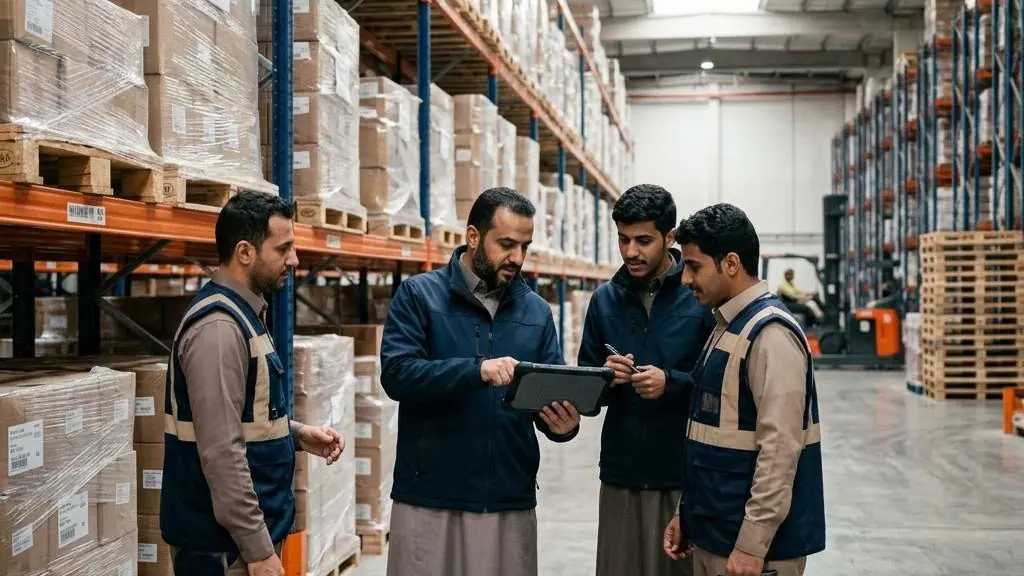
Packing inventory for extended warehousing comes with risks, especially in hot and humid climates. Without proper protection, items can grow mold, warp, or break down over time. Pests like insects and rodents may damage materials, while dust and sand can settle on surfaces, causing further issues. Shipping and logistics companies often deal with these challenges when storing goods long-term. Choosing the right packing materials, like airtight containers and moisture absorbers, helps prevent damage. Careful planning and storage strategies are an important part of keeping inventory safe and in good condition.
Understanding the Impact of Climate on Stored Items
Storing items in a warehouse in Saudi Arabia can be challenging due to the heat and humidity. High temperatures can weaken adhesives, break down plastics, and cause electronics to overheat. Humidity can lead to mold, damaging textiles, paper, and wood. Metal parts, like tools and machinery, can rust if not stored properly. Without the right packing methods, items may not last long in storage. Businesses and individuals need to understand these risks and use airtight containers, moisture absorbers, and protective covers to keep their items safe over time.
Choosing the Right Storage Containers
The right container helps protect items from heat, humidity, and pests. Airtight plastic bins are better than cardboard boxes because they keep moisture and dust out. UV-resistant and heat-resistant plastic containers last longer, especially if the temperature changes often. Metal containers with rust protection work well for industrial storage. If storing valuable or sensitive items, an air conditioned warehouse can help prevent damage. Choosing strong, sealed containers keeps stored items safe for a long time. Using the right storage method reduces the risk of ruined goods and costly losses.
Choosing the right storage solution for your inventory is very important if you want to keep it safe for a long time.
Protecting Textiles and Clothing With Vacuum-Sealed Bags
Storing fabric items like clothes, linens, and other textiles requires protection. Vacuum-sealed bags help by keeping out moisture, mold, and pests. They also save space, making storage more organized. However, not all fabrics should be vacuum-sealed. Materials like wool or silk need airflow to stay in good condition. Without ventilation, they can become damaged. Using the right method is important to keep textiles safe. For businesses storing large amounts of fabric, pallet racking in Saudi Arabia can help keep storage areas organized and make accessing items easier.
Securing Important Documents and Paper-Based Items
Paper items like documents, books, and records can get damaged by heat and humidity. Using airtight, waterproof plastic bins helps keep moisture out. Adding silica gel packets inside the bins absorbs extra humidity. Books and papers should be stored off the floor to avoid water damage. If exposed to too much moisture, paper can weaken, fade, or grow mold. Storing them properly keeps them in good shape for a long time. Without the right protection, important papers and books may become unreadable or fall apart over time.
Using Desiccants to Control Moisture and Prevent Mold
Keeping moisture out is important for long-term storage, especially in humid places. Desiccants like silica gel, activated charcoal, and clay help absorb moisture and stop mold from growing. Putting them inside storage bins helps keep items dry. Over time, desiccants stop working, so they need to be replaced regularly. Spreading them out evenly inside the storage area makes them work better. Checking for moisture and replacing desiccants when needed helps protect stored items. Without moisture control, mold and mildew can ruin paper, fabric, and other materials in storage.
Using packing materials that don’t cause moisture buildup and desiccants is a very important part of properly packing inventory for extended warehousing.
Preventing Pest Infestations With Proper Packing Materials
Pests can damage stored items, especially in storage units without climate control. Rodents, termites, and cockroaches can chew through paper, fabric, and even some plastics. Using sealed plastic containers and airtight packaging helps keep pests out. Metal shelves are better than wooden ones because they don’t attract insects. Avoid using untreated cardboard since it can draw in pests. Checking the storage area regularly can help spot problems early. Keeping the space clean and dry also helps prevent infestations. Proper storage methods protect inventory from pest damage over time.
Special Considerations for Storing Electronics and Machinery
Packing inventory for extended warehousing requires extra care for electronics and machinery. Heat can make batteries leak, damage circuits, and weaken plastic parts. Dust can build up and cause overheating or malfunctions. Using anti-static covers and moisture barriers helps protect electronics. Storing them off the ground on pallets or shelves keeps them away from dust and moisture. Without proper storage, electronics may stop working over time. Keeping them in a dry, temperature-controlled space helps them last longer. Good packing methods prevent damage and keep equipment in working condition.
Labeling and Organizing Your Storage for Easy Access
Keeping storage organized makes it easier to find items and prevents damage. Labeling boxes clearly helps avoid confusion. Transparent plastic bins let you see what’s inside without opening them. Using QR codes or digital tracking helps keep track of everything, especially in a large warehouse or storage unit. A good system saves time and reduces the risk of handling items too much. Without proper organization, things can get lost or damaged. Taking a little time to organize storage makes everything easier to manage and keeps inventory in good condition.
You can use QR codes and digital inventory systems to keep track of your inventory while it’s being stored.
When to Consider Climate-Controlled Storage
Some items need climate-controlled storage to stay in good condition. Artwork, antiques, medicine, and certain electronics can get damaged if the temperature or humidity is too high. Regular storage may work for most things, but sensitive items need a stable environment. Climate controlled storage costs more, but it helps prevent damage. Businesses storing items that must stay in specific conditions should use this option to avoid losses. If an item is valuable or easily damaged, paying extra for climate control can help keep it safe for a long time.
Use These Tips When Packing Inventory for Extended Warehousing
Packing inventory for extended warehousing takes planning, especially in Saudi Arabia’s hot and humid weather. Heat, moisture, and pests can ruin stored items if they are not packed correctly. Using airtight plastic bins, vacuum-sealed bags, and moisture absorbers helps protect them. Pest-resistant materials also prevent damage. Checking stored items regularly and replacing moisture absorbers when needed keeps them in good shape. Some items may need climate-controlled storage to avoid heat damage. Proper packing and storage methods help businesses and individuals keep their inventory safe and prevent losses.