
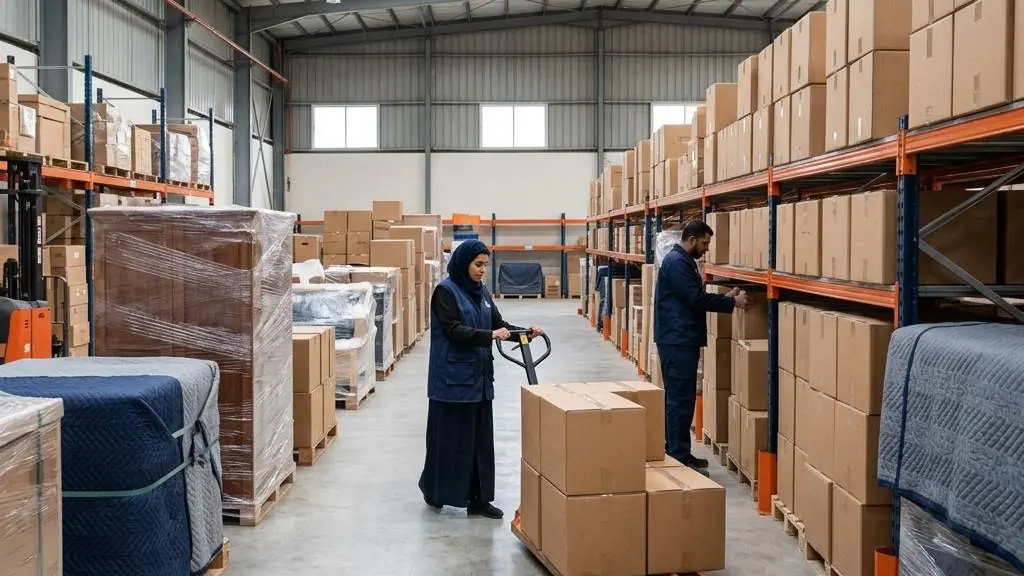
Preparing inventory for long term storage or international shipping is important for businesses to avoid damage, loss, or delays. If items are not packed, labeled, or documented correctly, they may get misplaced, broken, or held up at customs. Poor preparation can also cause compliance issues, leading to extra costs and legal trouble. Shipping and logistics companies follow strict rules, so businesses must take the right steps to meet these standards. Proper planning helps reduce risks, prevent unnecessary expenses, and keep business operations running smoothly. This guide provides business owners, warehouse managers, and logistics professionals with simple steps to package, label, and protect goods for safe storage or international shipping.
Assessing Inventory Needs
Before preparing inventory, businesses need to decide if it will be stored for a long time or shipped internationally. Storage and shipping have different requirements. Items in storage must be protected from dust, moisture, and pests. Shipped items need strong packaging to handle stacking, movement, and weather changes. A business with a warehouse in Saudi Arabia, for example, must consider heat and humidity when storing goods. Companies should check if their inventory is fragile, how long it will be stored, and if it needs special handling. A pre-storage or pre-shipment inspection helps find risks, like temperature changes, and ensures the right packaging and materials are used to prevent damage.
Choosing the Right Packaging Materials
Choosing the right packaging helps protect inventory from damage. Cardboard boxes are good for lightweight items because they are easy to stack and move. Wooden crates are stronger and work well for heavy or fragile products. Metal containers give the most protection, especially for valuable goods. The right packaging depends on the product. To prevent damage, businesses can use bubble wrap, foam inserts, or air pillows to keep items safe during transport. Weatherproof and tamper-resistant packaging can protect against moisture, dust, and theft. Many packaging companies in Saudi Arabia offer solutions for different needs, helping businesses choose the best materials to keep their products secure.
One of the most important parts of preparing inventory for long term storage is using the right packing materials.
Best Practices for Palletizing Inventory
Palletizing inventory helps keep goods stable during storage and shipping. Standard pallet sizes, like 48” x 40”, make it easier to move goods with forklifts and fit them in trucks. Businesses can use wooden or plastic pallets. Wooden pallets are cheaper but may need treatment for international shipping. Plastic pallets last longer and resist moisture but cost more. When stacking items, heavier boxes should go on the bottom to avoid crushing lighter ones. Using an interlocking pattern helps keep everything steady. Shrink wrap and strapping secure the load. Companies that use pallet racking in Saudi Arabia need to ensure pallets are stacked properly to prevent accidents and keep inventory safe.
Protective Packaging for International Shipping
International shipments are handled many times before reaching their destination, so strong packaging is important. Foam inserts, bubble wrap, and air pillows help protect fragile items from damage. If moisture is a problem, businesses can use waterproof wrapping, desiccants, or vacuum-sealed bags to keep goods dry. Companies shipping hazardous materials must follow special packaging and labeling rules to meet international safety laws. These rules change depending on the country and type of product, so businesses should check regulations before shipping. A warehouse in Riyadh storing goods for international shipping must ensure all packages meet the right safety and handling standards to avoid damage, delays, or fines.
Labeling for Warehouse Organization
Proper labeling helps businesses organize inventory and avoid shipping mistakes. Clear labels make it easy to find items, speed up warehouse work, and reduce errors. Many businesses use barcode or RFID labels. Barcodes are common for scanning and tracking shipments, while RFID labels allow real-time tracking without much manual work. Labels should be placed on multiple sides of a package so they can be seen quickly. If a label is hard to find or placed incorrectly, it can cause delays and confusion. A warehouse in Jeddah needs proper labeling to keep inventory organized, make shipping faster, and ensure goods reach the right destination without issues.
Labeling boxes with barcodes or RFID labels will help you keep track of your inventory while it’s being stored.
Compliance with International Shipping Regulations
International shipping rules are different in every country. If businesses do not follow these rules, shipments can be delayed or fined. Companies must know the customs rules and documents needed for their destination. The United States, European Union, and Asia each have their own requirements. Having the right documents helps shipments move smoothly. Common paperwork includes a commercial invoice, packing list, and certificate of origin. These papers confirm what is being shipped, its value, and where it came from. Businesses that ship internationally or are preparing inventory for long term storage should work with a freight forwarder to avoid problems and make sure everything is done correctly.
Handling Temperature-Sensitive Goods When Preparing Inventory for Long Term Storage
Some products, like food, medicine, and certain chemicals, need temperature control during storage and shipping. If these items get too hot or too cold, they can spoil or become unsafe. Businesses shipping these products should use insulated packaging like Styrofoam containers, thermal blankets, or gel packs to keep temperatures stable. Temperature monitors can track conditions and send alerts if there is a problem. For long term storage, an air conditioned warehouse may be needed to control temperature and humidity. This helps protect products from heat and moisture, keeping them in good condition. Without proper storage, these goods can be damaged, leading to waste and financial loss.
Preventing Damage During Long Term Storage
Stored inventory can get damaged if not handled the right way. If boxes are stacked too high or too heavy, they can collapse. To avoid this, businesses should place heavier items at the bottom and lighter ones on top. Using shelves and racks instead of stacking boxes on the floor can also help prevent damage. Good pest control and moisture prevention are important for long term storage in Saudi Arabia, where heat and humidity can cause problems. Regular inspections, sealed packaging, and proper ventilation can keep mold, mildew, and pests away. Taking these steps helps businesses protect their inventory and avoid losses from spoiled or damaged goods.
A big part of preparing inventory for long term storage is taking the necessary measures to prevent damage to your stock.
Security Measures for High-Value Inventory
High-value inventory can be stolen or damaged, so businesses need extra security. Tamper-evident seals help show if a package has been opened. Tracking devices like GPS or RFID tags let businesses see where shipments are in real time. A secure warehouse with cameras, alarms, and restricted access can help prevent theft. Businesses should also choose trusted shipping partners to make sure goods are handled safely. When preparing inventory for long term storage, it’s important to check that the warehouse has good security measures. Without proper protection, businesses risk losing valuable products, which can lead to big financial losses. Taking these steps helps keep inventory safe.
Documentation for Storage and Shipping
Keeping the right documents is important for both storage and shipping. Businesses should update inventory records regularly to keep track of goods and avoid losses. They also need to keep important papers like insurance and liability documents to protect against financial problems. Using digital records is usually better than paper because it makes organizing and finding information easier. However, having printed copies as a backup is also a good idea in case of computer issues. If records are not kept properly, businesses can lose track of inventory, face delays, or have trouble with insurance claims. Good record-keeping helps businesses stay organized and avoid costly mistakes.
If your business tends to use paper documentation, it might be a good idea to at least set up a digital backup server.
Understanding Freight Classes and Weight Limits
Freight classification affects shipping costs, so businesses need to know how their inventory is categorized. Shipping companies decide freight classes based on size, weight, and handling needs. For air freight, pricing is often based on how much space a package takes up, not just its actual weight. This is called dimensional weight pricing. If businesses don’t measure and weigh shipments correctly, they might face extra fees or have their shipment rejected. To avoid this, they should check weight and dimensions before pickup. When preparing inventory for long term storage, businesses should also consider how freight classification may affect future shipping costs if the goods need to be moved later.
Choosing the Right Shipping Method
Choosing the right shipping method depends on cost, speed, and the type of goods being shipped. Air freight is the fastest option but also the most expensive. Sea freight is cheaper for large shipments, but it takes longer to arrive. Land transport is best for moving goods within a country or nearby regions. Businesses also need to decide between full-container load (FCL) and less-than-container load (LCL) shipping. FCL means renting a whole container, which helps protect goods from damage. LCL shipments share a container with other businesses, making it a cheaper choice for smaller loads. Picking the right shipping method helps businesses save money and avoid delays.
Choosing the right shipping method for your inventory will help you make sure everything is safe on its way to the warehouse.
Working with Third-Party Logistics (3PL) Providers
Many businesses hire third-party logistics (3PL) companies to manage storage, shipping, and deliveries. Using a 3PL can save time and money because they have the experience and equipment needed to handle inventory efficiently. When choosing a 3PL provider, businesses should check their reputation, services, and pricing to make sure they are reliable. It’s also important to read contracts carefully to understand what services are included, how much they cost, and who is responsible if something goes wrong. Picking the right 3PL partner helps businesses avoid delays, reduce costs, and keep customers satisfied. A bad choice can lead to lost inventory, extra fees, and poor service.
Insurance for Stored or Shipped Inventory
Inventory insurance helps businesses avoid financial losses from damage, theft, or shipping delays. Different cargo insurance policies cover different things, so businesses should check what is included and what is not. If inventory is lost or damaged, businesses should take photos and write a report before filing a claim. Keeping good records can make the claims process faster and improve the chances of getting paid. Insurance is also important when preparing inventory for long term storage because stored goods can be damaged by moisture, pests, or accidents. Without insurance, businesses may have to pay for losses themselves, which can be expensive and hurt their operations.
Getting the right insurance coverage will protect you in case any of your inventory is damaged or lost during shipping.
Final Checklist Before Storage or Shipping
Before storing or shipping inventory, businesses should do a final check to avoid mistakes. They need to make sure the packaging is strong and not damaged. Labels should be clear and correctly placed so items can be identified easily. All required paperwork, like invoices and shipping documents, should be included to prevent delays. It’s also important to give warehouse workers or shipping companies the right handling instructions, especially for fragile or temperature-sensitive goods. If these steps are skipped, items can be lost, damaged, or delayed. Taking the time to review everything helps businesses avoid problems and ensures that shipments or stored goods are safe and properly managed.
Use These Tips When Preparing Inventory for Long Term Storage
Preparing inventory for long term storage or shipping helps prevent damage, delays, and other problems. Businesses that use the right packaging, clear labels, and correct paperwork can avoid costly mistakes. Good preparation keeps goods safe and makes shipping and storage easier. Checking logistics processes regularly can also help businesses spot issues before they become big problems. If inventory is not prepared properly, businesses may lose money due to damaged goods, delays, or extra fees. Taking the time to follow simple steps, like using strong packaging and accurate labels, can make a big difference. Proper preparation helps businesses run smoothly and keeps inventory safe for storage or shipping.