
Sandstorms in Saudi Arabia often last for hours or days, spreading fine dust everywhere. This dust can reach homes, vehicles, and storage units. People storing items through a sandstorm season face serious risks. Electronics may fail, fabrics can lose color, and wood or leather may crack in dry air. Both families and businesses need strong storage practices to avoid costly damage. Professionals from the top shipping and logistics companies in the region also highlight sealing, wrapping, and using proper containers as some of the most important protection steps.
Understanding Sandstorm Risks In Storage
The biggest risk in sandstorm season is dust entering storage. Dust in Saudi Arabia is very fine and slips through small gaps. Inside, it settles on surfaces and damages things like electronics, fabrics, and furniture. Fabrics can fade, wood can crack, and leather may dry out. Electronics often fail when dust builds up inside. Anyone using a warehouse in Saudi Arabia should know these risks. Taking simple steps like sealing, wrapping, and using proper containers helps protect items before the next storm arrives.
Choosing The Right Storage Facility
The first step in protecting stored items is picking the right facility. Not every unit can handle desert conditions. In Saudi Arabia, choose a place with strong doors and proper sealing. Double-layered seals help stop fine dust from entering. Before renting, check the unit for dust and test if the doors close well. Also, ask how the facility is maintained during sandstorm season. An air conditioned warehouse is often the safest choice, as it offers both dust control and better air quality for stored items.
Choosing the right facility is one of the most important parts of protecting and safely storing items through a sandstorm season.
Sealing And Wrapping Items Properly
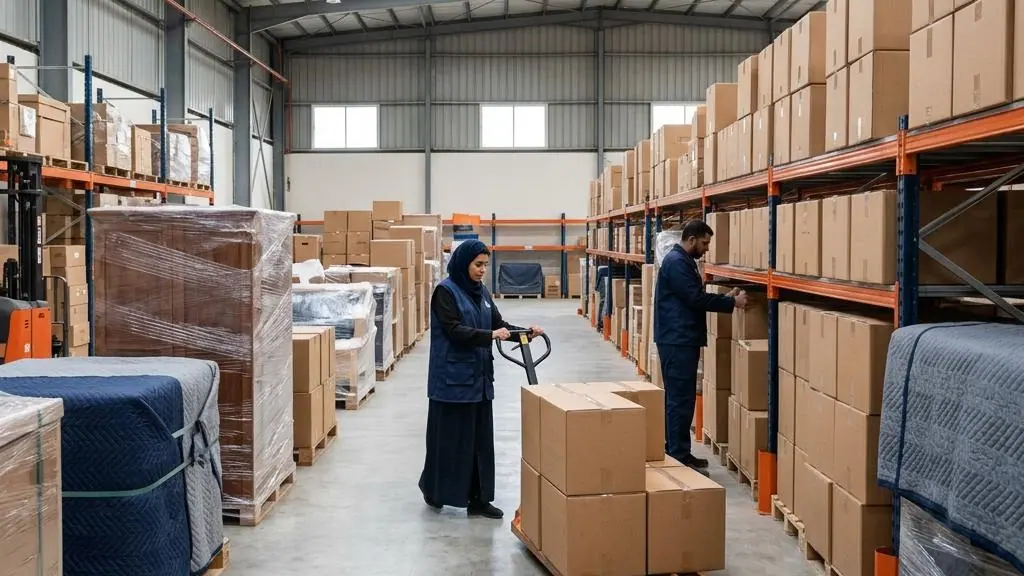
Even a good storage unit needs extra steps to keep items safe. Wrapping and sealing belongings helps stop dust from getting inside. Shrink wrap works well for big furniture, while heavy plastic covers and strong tape also provide good protection. Electronics should be packed one by one to block dust from small openings. Fabrics, bedding, and clothes should go into sealed bags before boxing. Anyone using a warehouse in Jeddah should separate items by type and add layers of cover to keep them safe.
Materials And Containers That Work Best
Cardboard boxes are not a good choice in desert storage. They let dust inside and weaken in dry air. Airtight plastic bins are much better since they keep dust out and stay strong. Some items, like tools or sports gear, can be kept in ventilated containers to prevent heat from building up. Electronics, clothes, and papers should always go into sealed bins. Using pallet racking in Saudi Arabia helps keep these containers off the ground, saving space and reducing the chance of damage.
Indoor Vs. Outdoor Storage Considerations
Indoor storage is the safer choice during sandstorm season. It offers better protection from dust, heat, and dry air. Outdoor sheds or metal containers may be cheaper, but they often let dust inside and expose items to damage from temperature changes. Many businesses already use indoor facilities to protect sensitive goods. Families should do the same for furniture, electronics, and documents. Renting a warehouse in Riyadh may cost more, but the extra security makes it worth it when sandstorms are strong.
Choosing indoor storage during sandstorm season is definitely the safer option.
Protecting Electronics And Appliances
Electronics are very sensitive during sandstorm season and need extra care. Wrap cords tightly and cover vents with tape or film to block dust. Place small devices in airtight bins with silica gel to fight dryness. Big appliances, like fridges or washing machines, should be wrapped in plastic and sealed around openings. Keep them on raised pallets or shelves so dust does not collect underneath. Taking these steps makes it much easier to keep electronics safe while they are in storage.
Protecting Furniture And Textiles
Furniture and fabrics need simple steps to stay safe in sandstorm season. Clean and dry wood furniture, then cover it with plastic wrap or dust-proof sheets. A light polish can also stop cracking. Clothes, bedding, and curtains should go into airtight bags to block dust. Fold them neatly before placing them in sealed bins. Leather furniture dries out fast, so use conditioner before wrapping it. With basic covers, bags, and bins, furniture and textiles can stay in good condition while in storage.
Special Handling For Documents And Valuables
Some belongings need stronger protection than others during storage. Documents should go into fireproof and dustproof boxes because paper gets damaged easily by dust and dry air. It can fade or become brittle if not protected. Jewelry, watches, and other valuables should be wrapped in layers and placed in sealed containers. Small airtight bags inside bigger boxes give extra safety. For important records, keeping digital copies is also smart. These simple steps help keep irreplaceable items safe for as long as they are stored.
Cost-Effective Protection Tips
Protecting belongings in storage does not have to be expensive. Simple steps like reusing plastic covers, sealing tape, and strong bins can help a lot. Buying good airtight containers once is better than replacing weak ones often. For big furniture, using old sheets or blankets under plastic wrap adds protection at no extra cost. Spending a little more on strong wrapping and durable bins prevents costly damage later. Making practical, low-cost choices is the best way to keep items safe for the long term.
Coming up with a budget for your storage needs will give you a better idea of where you need to look for savings.
Regular Maintenance And Inspection
Protecting belongings in storage takes regular effort, not just one step. When storing items through a sandstorm season, it is important to check seals and covers often. Look over your items every few weeks to make sure they are still secure. Dust can gather quickly, so wiping the outer layers helps stop it from spreading. Rotating items also makes it easier to see early signs of damage. Many storage places in Saudi Arabia let customers visit often, making upkeep simple during sandstorm months.
Use These Tips for Storing Items Through a Sandstorm Season
Storing belongings during sandstorms in Saudi Arabia takes simple but careful planning. Sealing and wrapping items is important, and using the right packing materials is just as important. Airtight bins, shrink wrap, and strong covers keep dust out. Electronics, furniture, clothes, and documents all need extra care to stay safe. Regular checks help catch problems early. When storing items through a sandstorm season, preparing ahead makes a big difference. Early action protects both personal and business goods and avoids costly damage later.