
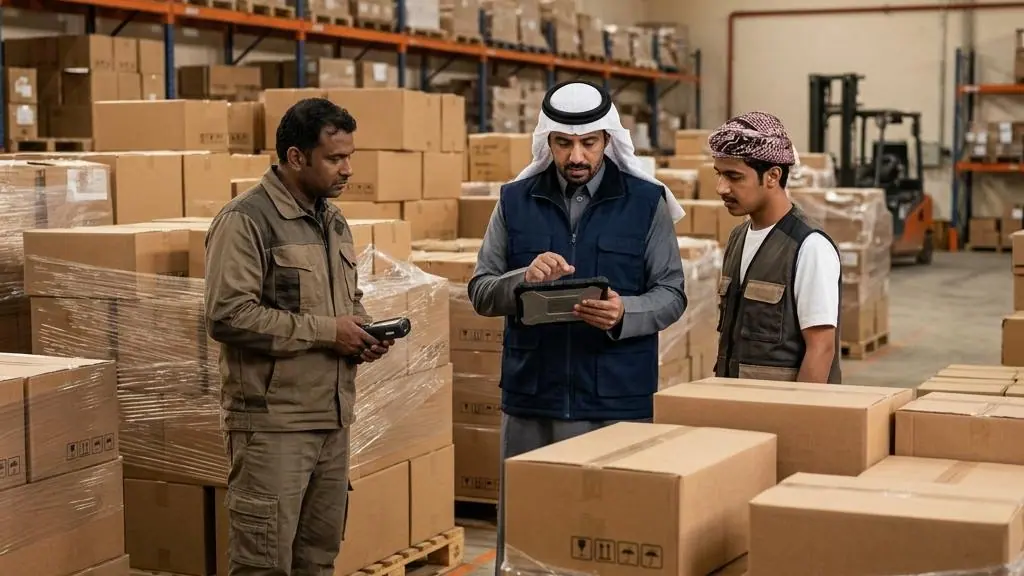
Blockchain technology is a well-known term across many industries, especially for its use in cryptocurrencies like Bitcoin. However, the impact of blockchain on warehouse management and logistics is where it’s showing even broader potential. For businesses handling storage and shipping, blockchain can address ongoing challenges by increasing transparency, improving tracking, and boosting security. The effect of blockchain in warehouse management includes making it easier to trace products, secure data, and ensure accurate records for any national shipping company of Saudi Arabia.
What is Blockchain?
Blockchain is a type of digital record-keeping system where information is stored across a network of computers instead of just one. This is what makes it “decentralized.” Instead of one central authority managing the records, many computers, called “nodes,” verify each transaction to make sure it’s accurate. This setup is very secure because it’s hard for anyone to change the records without everyone agreeing to it. Blockchain’s main benefits—decentralization, transparency, and security—make it especially useful in warehousing and logistics. For example, a warehouse in Jeddah could use blockchain to keep inventory records accurate, prevent fraud, and increase accountability across the supply chain.
When you decide to embrace the impact of blockchain on warehouse management, you’ll see your operations quickly become smoother and more transparent.
Current Challenges in Warehouse Management
Warehouse management can be a complicated job that needs accurate inventory tracking, up-to-date information, and strong security to prevent theft or fraud. Traditional systems usually depend on a single, central database, which can be vulnerable to data errors or security breaches. Communication delays can also happen, especially when different parts of the supply chain—like suppliers, distributors, and warehouse staff—need to share information. These issues often lead to problems like wrong inventory counts, outdated information, and security risks. Blockchain technology is now seen as a solution to these challenges. For businesses that use pallet racking in Saudi Arabia, blockchain could help improve accuracy and safety in daily operations.
Blockchain’s Role in Enhancing Transparency
One of the biggest advantages of using blockchain in a warehouse in Saudi Arabia is the transparency it brings to every part of the supply chain. Every transaction or movement recorded on a blockchain is visible to everyone who has access. This means that each step—from supplier to distributor to warehouse—can be tracked in real time. This level of transparency makes it easier for businesses and their customers to confirm that products are handled responsibly and reduces the chances of fraud or tampering. For instance, a food distributor could use blockchain to track perishable goods, making sure they’re stored correctly and meet quality standards at every step.
Improving Inventory Tracking with Blockchain
Keeping track of inventory is one of the most important parts of running a warehouse in Riyadh. Blockchain can help by providing a reliable way to monitor and manage stock levels. With blockchain, each item can be given a unique identifier, which lets businesses record and track it from the manufacturer to the end user. This real-time tracking helps businesses keep an accurate count of their inventory and reduces errors that often happen with manual tracking. Blockchain also makes it easier to do automatic audits, saving time and effort in checking stock levels and making sure records are correct.
One of the biggest benefits of using blockchain technology for warehouse management is that it improves inventory tracking.
Security Benefits of Blockchain in Warehousing
Blockchain is built in a way that makes it very secure because data is stored across many computers, not just in one place. This setup makes it hard for anyone to change or mess with the data. For warehouses, where keeping data safe is important, this is a big advantage. In older systems, if one main system fails, it can lead to data being lost or even stolen. But with blockchain, the data stays safe even if one computer in the network has issues. This high level of security helps reduce risks like theft or tampering with data so businesses can feel confident that their inventory records are reliable and safe.
Challenges and Considerations
Using blockchain on warehouse management has clear benefits, but there are also challenges to think about. First, setting up blockchain technology takes technical know-how, so businesses may need to spend money on training current staff or hiring experts. Adding blockchain to existing warehouse systems can also be tricky, especially for companies with older setups that don’t easily connect with new tech. There’s also the cost of starting with blockchain, which might seem high at first.
Future of Blockchain in Warehouse Management
The future of using blockchain in warehouse management looks bright as the technology keeps improving. New tools, like smart contracts, could make warehouses run even more smoothly by automating some tasks. For example, with a smart contract, when a shipment arrives at a warehouse, the inventory could automatically update. Then, the system could process the payment right away without needing anyone to step in. As blockchain continues to develop, it may also become easier and cheaper to use, making it more accessible for smaller businesses, not just large companies. This means even small and medium-sized warehouses could start using blockchain to improve their operations.
Automation is one of the first things we’ll see become a bigger part of warehouse management after blockchain technology implementation.
How to Start with Blockchain in Your Business
If you’re a business owner thinking about trying blockchain, there are a few basic steps to start with. First, do some research on blockchain providers and talk to experts who can help you see how this technology might work for your warehouse and logistics needs. You might want to look at well-known companies like IBM or Oracle. They have blockchain options that can grow with your business. Trying out blockchain in just one part of your warehouse, like inventory tracking, can also be a smart move. This way, you can see how well it works for you before making a bigger investment across all operations.
Consider the impact of blockchain on warehouse management
Blockchain is more than just a trendy term. It’s a real tool that can change how warehouse management and logistics work. Using blockchain on warehouse management can make things more open, improve how inventory is tracked, and offer better security. These benefits help solve many common issues in the industry as long as you implement them according to local regulations. As blockchain technology keeps improving, business owners in Saudi Arabia and other places can use it. It can make their warehouse operations smoother and their supply chains stronger. For those dealing with problems like wrong inventory counts or keeping data safe, blockchain could be the answer. It brings both efficiency and confidence to their daily operations.