
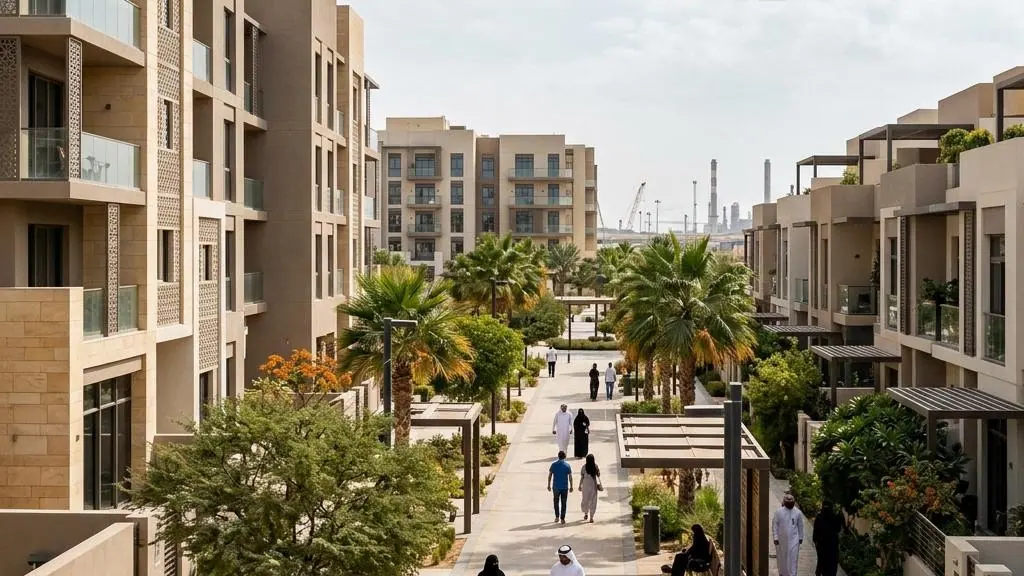
When considering a move to Saudi Arabia, an important decision is where to live. The two main options are compound living vs local neighborhoods in Saudi cities. Each offers different benefits depending on your lifestyle, work, and preferences. Compounds offer privacy, security, and amenities, while local neighborhoods provide cultural immersion and a more authentic experience. This guide compares the two, focusing on aspects like privacy, social life, noise, and landlord expectations. If you’re planning to move to Jeddah, for example, you should consider consulting movers in Jeddah to help with your relocation process.
What is Compound Living in Saudi Arabia Like?
Compound living is a type of housing where residential areas are gated and self-contained. These communities are mainly for expatriates and offer a safe and comfortable environment with amenities like pools, gyms, and playgrounds. Compounds are often near business districts, making them convenient for work. In cities like Riyadh, Jeddah, and Dammam, popular compounds include the Diplomatic Quarter, Al Hamra Village, and Al Nakheel Compound. If you’re planning to move to Jeddah, professional local movers in Jeddah usually recommend considering these compounds for a more convenient living experience.
What is Living in Local Neighborhoods in Saudi Arabia Like?
Local neighborhoods in Saudi cities are where most Saudi families and people from different nationalities live. These areas are more connected to the local culture, offering a more authentic experience. You’ll find local markets, traditional homes, and interact more directly with Saudi residents. In Riyadh, neighborhoods like Al Olaya and Al Mursalat are examples, while Al Naseem and Al Rawda are in Jeddah, and Al Khobar is in Dammam. Experienced movers in Riyadh often highlight these neighborhoods as a lively and more diverse living option compared to compounds.
An important factor to consider before choosing between compound living vs local neighborhoods in Saudi cities is whether you want to have a fully immersive experience in the local culture.
Privacy in Compound Living vs Local Neighborhoods in Saudi cities
One big advantage of compound living is the extra privacy. Compounds are usually gated, with security to control who comes in. This gives you more peace and quiet, as the houses are spaced farther apart. In local neighborhoods, houses are often closer together, and you might share walls with neighbors. This can mean more interaction with the local community, which some people enjoy, but it might not be ideal for those who prefer privacy. Professionals from various moving companies in Jubail often advise their clients to consider these factors when choosing between compounds and local neighborhoods.
Social Life in Compound Living
Living in a compound can make it easier to meet people, especially if you’re an expat. Compounds often have events like holiday parties, fitness classes, and activities for kids, which help residents connect. This can be a great way to meet others from similar backgrounds. However, experienced local movers in Dammam usually suggest that while compounds offer a strong expat community, they may not provide many chances to connect with local Saudis. This can limit your opportunities to integrate into Saudi culture. If you want more local interaction, a neighborhood might be a better option.
Social Life in Local Neighborhoods
Living in a local neighborhood in Saudi Arabia means you’ll get to experience life more like the locals. You’ll interact with Saudi families and get involved in local events and markets. It’s a great way to immerse yourself in the culture. However, it can be tough for expats who aren’t familiar with local customs or Arabic. Social interactions may be more limited to your immediate neighbors. Professionals from the top moving companies in Yanbu often remind their clients to consider how much they want to be part of the local culture before choosing this option.
Curfews in Compound Living
Curfews in compounds are usually more relaxed than in local neighborhoods. Many compounds are designed for expats, so they often have flexible curfew rules, allowing residents to come and go at any time of day or night. This is great for people with flexible work hours or those who enjoy staying out late. For example, compounds in the Diplomatic Quarter of Riyadh are known for their lenient curfew policies. If you’re moving to Riyadh, keep in mind that the curfew rules can vary depending on the compound and location you choose.
Most compounds have fairly flexible curfew rules compared to local neighborhoods.
Curfews in Local Neighborhoods
In local neighborhoods, curfews are often stricter and follow local customs. The Saudi government has rules about when people can be outside, especially in more residential or conservative areas. In cities like Dammam and Jeddah, curfews are more strictly enforced, particularly in neighborhoods near religious centers. These areas may also have noise restrictions during certain hours, reflecting the community’s focus on traditional lifestyles. If you prefer a more relaxed schedule and fewer restrictions, compounds may be a better choice, but local neighborhoods offer a more authentic Saudi experience.
Noise Levels in Compound Living
Noise levels in compounds are usually low because they are gated and controlled. Since compounds are separate from busy streets and markets, they offer a quieter living environment. In areas like Jubail, compounds are especially peaceful, making them ideal for families or people who prefer a calm atmosphere. In contrast, noise levels in local neighborhoods in Saudi cities can be higher due to nearby traffic, shops, and active streets. If you’re choosing between compound living vs local neighborhoods in Saudi cities, think about how much noise you can handle in your living space.
Noise Levels in Local Neighborhoods
Local neighborhoods can be much noisier, especially if you live in a busy area. Traffic, street vendors, and kids playing can make it loud in neighborhoods like Al Rawda in Jeddah or Al Khobar in Dammam. For some people, this can be a positive thing, as they enjoy the lively atmosphere of city life. If you’re moving to Jeddah, keep in mind that living in a local neighborhood might mean more noise and activity, but it also offers the chance to experience the energy of the city and interact with the local community.
Landlord Expectations in Compound Living
In compounds, the landlord-tenant relationship is more formal. These areas are usually managed by property companies, so tenants have to follow specific rules. Maintenance is often handled by the management, and rent payments are clear with set contracts. In places like Riyadh, landlords expect tenants to follow rules about noise, cleanliness, and using shared spaces. It’s a straightforward arrangement with fewer surprises. If you’re moving to a compound in cities like Riyadh or Jeddah, it’s important to understand and follow these rules to avoid any issues.
One thing you have to keep in mind when choosing between compound living vs local neighborhoods in Saudi cities is that the landlord-tenant relationship is a lot more formal in compounds.
Landlord Expectations in Local Neighborhoods
In local neighborhoods, the landlord-tenant relationship is usually more informal. Landlords may be more flexible, but this can lead to unclear agreements. Tenants often handle maintenance themselves, and rent prices can vary depending on the landlord’s preferences. For example, in Riyadh’s Al Mursalat, landlords might expect tenants to take care of property repairs without professional help. Unlike compound living, where maintenance and services are managed, living in local neighborhoods often means dealing with these responsibilities on your own. When considering compound living vs local neighborhoods in Saudi cities, it’s important to keep this in mind.
Rent and Utilities in Compound Living
Renting in a compound is usually more expensive, but it often includes utilities, maintenance, and security. This can be helpful for tenants because they don’t have to pay separate bills for these services. In compounds in cities like Riyadh and Dammam, rent prices can be higher compared to local neighborhoods, but many expats find the all-inclusive package worth the cost. It’s more convenient, as you won’t have to deal with extra charges or worry about repairs and security. For those looking for simplicity, compound living can be a good option.
Rent and Utilities in Local Neighborhoods
Rent in local neighborhoods is usually cheaper, but you’ll have to pay for utilities separately. This includes costs for electricity, water, and internet. While rent might be lower in neighborhoods like Al Naseem in Jeddah, you’ll need to keep track of these extra costs. These bills can add up quickly, especially if you’re not used to paying for utilities on top of your rent. So, while the rent might seem like a good deal at first, the overall cost can still be higher than you expect.
While rent is usually lower in local neighborhoods, you’ll have to pay for utilities separately there.
Proximity to Work in Compound Living
One big benefit of compound living vs local neighborhoods in Saudi cities is the convenience of location. Compounds are often close to business districts and international schools, making commuting easier for residents. In Riyadh, compounds like those in the Diplomatic Quarter are particularly convenient for people working in international companies or government offices. This is ideal for those who want to live near their workplace or children’s school without having to deal with long commutes. If you’re moving to Saudi Arabia, this could be an important factor to consider.
Proximity to Work in Local Neighborhoods
Living in local neighborhoods may mean a longer commute if you work in a business district or an expat area. These neighborhoods are often farther from where many offices and international companies are located. However, they offer a more local and authentic experience. For example, in Dammam, neighborhoods like Al Khobar are not as close to international offices, but they provide a better sense of local culture. The trade-off is that while you might spend more time commuting, the cost of living can be cheaper, which may make it a worthwhile option.
Safety and Security in Compound Living
Compounds are usually very secure, with features like gates, security guards, and cameras. This makes them a good choice for people who want to feel safe. In places like Riyadh and Jeddah, compounds are known for their strong security systems, which can give you peace of mind. Whether you’re moving with family or on your own, knowing that there’s constant surveillance and limited access to the compound can make it easier to relax. If security is important to you, a compound might be a better option compared to local neighborhoods.
Compounds generally have better security measures compared to local neighborhoods.
Safety and Security in Local Neighborhoods
Local neighborhoods in Saudi cities can be safe, but security is usually not as strict as in compounds. In places like Al Mursalat in Riyadh, there might not be as much security, but it’s still considered a safe area. People living in local neighborhoods often rely on things like private security or neighborhood watch programs for safety. When comparing compound living vs local neighborhoods in Saudi cities, compounds generally offer more security, with gates and guards, while local neighborhoods may depend more on the residents and their security measures.
Cultural Integration and Community in Compound Living
Living in a compound can feel comfortable because most people are expats, which makes it easier to find others who share similar backgrounds. However, this can also make it harder to connect with local Saudis and experience their culture. For example, compounds like Al Hamra Village in Jeddah mostly have international residents. While this gives expats a familiar community, it means they might miss out on learning about Saudi culture and traditions. If you want to get to know the local culture, living in a local neighborhood might be a better option.
Cultural Integration and Community in Local Neighborhoods
Living in local neighborhoods gives you a chance to experience Saudi culture up close. You’ll live next to Saudi families and get to see their daily life, traditions, and local events. In neighborhoods like Al Olaya in Riyadh, you can take part in festivals and community activities. This helps you understand the culture better and feel more connected to the local way of life. If you want to learn about Saudi traditions and connect with local people, living in a local neighborhood might be a good choice.
It’s usually easier to make friends with locals and integrate in the culture if you live in a local neighborhood.
Take Your Time Choosing Between Compound Living vs Local Neighborhoods in Saudi cities
When deciding between compound living vs local neighborhoods in Saudi cities, it comes down to what’s important to you. Compounds offer privacy, security, and extra amenities, but they can feel separated from local life. On the other hand, local neighborhoods give you a chance to experience the culture and interact with locals, but they may not have the same level of comfort or security as compounds. Think about things like how close the area is to your work, what kind of social life you want, and your budget before making your choice.