
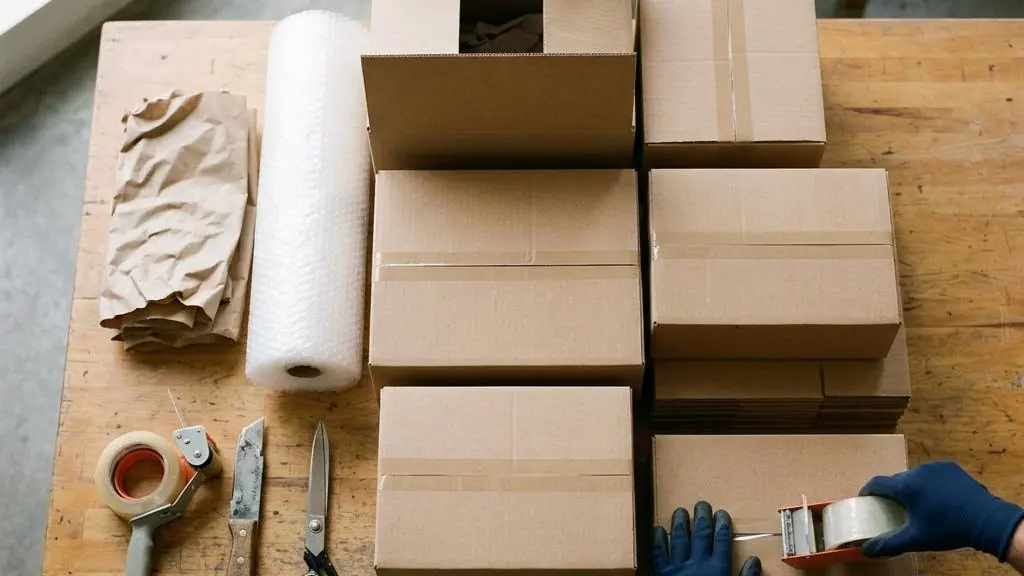
Packing properly is one of the most important parts of preparing for a move. Using different types of packing materials ensures your belongings stay safe and protected during the process. This article will explain how these materials work and help you choose the right ones for your needs. We’ll look at the most important features of various packing materials, like how strong they are, how well they absorb impacts, and how they protect against moisture. With this simple guide, you’ll understand how to pack effectively and avoid damage. For extra help, you can always reach out to professional relocation companies in Jeddah to get expert advice.
Why Choosing the Right Packing Materials Matters During a Move
Using the wrong packing materials can cause many problems during a move. Items can get damaged from impacts, exposed to moisture, or shift around during transport. For example, heavy items packed in weak boxes might break the box, causing damage to what’s inside. Fragile items that aren’t wrapped properly could crack or break. These problems are common and can be avoided with the right materials. Professionals from various packaging companies in Jeddah usually suggest choosing materials based on the weight and sensitivity of the items you need to pack. Knowing the risks can help you pick the best packing materials and avoid damage.
The Science of Packing Materials
Different packing materials have specific properties that make them useful for different purposes. Tensile strength refers to how well a material resists breaking under pressure, which is important for heavy items. Materials with high tensile strength, like sturdy boxes, can hold weight without tearing. Compressibility is another important property. Bubble wrap, for example, compresses to absorb shocks and protect fragile items. Moisture resistance is also important for items that could be damaged by water. Materials like plastic wrap or moisture-proof containers keep belongings safe from humidity. Experienced international movers from Dammam recommend learning about these features to choose the best materials for your move.
Compressibility is an important factor for different types of packing materials that are meant for cushioning, like bubble wrap.
A Quick Overview of the Most Common Packing Materials
Before we get into any details, here’s a short list of the most commonly used packing materials:
- Cardboard Boxes: Versatile containers that come in various sizes and strengths.
- Bubble Wrap: Plastic sheets with air-filled bubbles that provide cushioning.
- Packing Peanuts: Small foam pieces used to fill empty spaces in boxes.
- Stretch Wrap and Packing Tape: Materials used to secure items and keep packing materials in place.
- Specialty Materials: Items like foam sheets and edge protectors for added protection.
Cardboard Boxes
Cardboard boxes are an important part of moving. They are strong and flexible, making them useful for packing many types of items. It’s important to choose the right type of box based on what you’re packing. Single-walled boxes work well for lighter items, but heavier or fragile belongings need stronger options. Double-walled boxes are much sturdier and provide extra protection, especially for heavier items or things that can break easily. For long-distance moves where boxes might face more stress, double-walled boxes are a better choice. Lots of professional movers in Riyadh advise their clients to use these for added security.
While there are lots of different types of packing materials, sturdy cardboard boxes are a basic supply you can’t go wrong with.
Bubble Wrap Provides Cushioning for Delicate Items
Bubble wrap is made with tiny air-filled bubbles that help protect items by absorbing shocks and vibrations. This makes it a great choice for wrapping delicate things like electronics, glassware, or anything that could break easily. The bubbles act like small cushions, softening any impact and keeping items safe. To use bubble wrap properly, wrap it tightly around the item and make sure the bubbles are facing inward so they can provide the best protection. It’s a simple way to keep fragile belongings safe during a move and avoid damage. Many people rely on bubble wrap because it works so well.
Stretch Wrap Is Used for Securing and Moisture Resistance
Stretch wrap is a thin plastic film that’s used to keep items together and protect them during a move. It helps keep dust, dirt, and even some moisture off your belongings. The wrap is stretchy, so it clings tightly to whatever you’re wrapping, making it very secure. It’s especially useful for bundling things like furniture parts or keeping protective covers in place. For example, you can use stretch wrap to wrap a sofa or hold drawers in a dresser. It’s simple to use and makes sure everything stays in one piece. Many people use it because it’s quick and effective.
Packing Peanuts Are a Lightweight Filler with High Compressibility
Packing peanuts are small, lightweight pieces used to fill up empty spaces in boxes. They stop items from moving around during a move and help keep things safe. The peanuts are soft and can compress, which means they absorb shocks and protect your belongings. They are especially helpful for packing odd-shaped items that don’t fit well in a box. Some people prefer using biodegradable packing peanuts made from cornstarch because they are better for the environment than foam ones. Professionals from various moving companies in Jubail often recommend packing peanuts as an easy way to secure fragile or loose items during a move.
Packing peanuts are a great filler material that provides cushioning while also fixing items in place in a moving box so they don’t jostle around while being transported.
Packing Tape
This is a must-have for sealing boxes and keeping everything secure during a move. It helps hold boxes closed and makes sure your items stay safe. Good packing tape should be sticky enough to hold well and strong enough to avoid tearing. Just like there are lots of different types of packing materials, there are different types of packing tape, and the right tape depends on what you’re using it for. Wider tape is better for sealing large boxes, while reinforced tape works best for heavy items or boxes that need extra support. Always make sure to have enough tape so you can seal all your boxes properly before the move.
Specialty Packing Materials
For very delicate or valuable items, specialty packing materials can provide extra protection. Foam sheets are great for adding cushioning and keeping corners and edges from getting damaged. Edge protectors also help prevent dents and scrapes on items with sharp or fragile edges. Anti-static wraps are specifically made for electronics or metals that can be harmed by static electricity. Moisture-absorbing silica gel packets are useful for keeping moisture away from items like documents, photos, or electronics. Lots of professionals who work for various moving companies in Yanbu recommend these materials for extra peace of mind.
Packing Heavy Items Safely
When packing heavy items like appliances or furniture, you need strong materials that won’t break under the weight. Sturdy boxes are important, and you should use extra tape to reinforce them so they don’t tear or fall apart. Furniture pads and blankets are great for covering large items to protect them from scratches or dents. If the furniture is big, try to take it apart into smaller pieces to make it easier to handle and pack. These tips are especially useful when moving furniture overseas, where items may face more handling and longer transit times before reaching their destination.
When preparing large or heavy items like a sofa for a move, your main goal should be to protect its edges and any scratchable surfaces.
Protecting Fragile Items
Fragile items need packing materials that can cushion them and protect them from breaking. Bubble wrap and foam sheets are good choices because they are soft and can absorb shocks. For extra safety, it’s a good idea to wrap fragile items in several layers. For very delicate things, you can take extra steps by using different types of packing materials together. First, wrap the item in bubble wrap, then place it in a box filled with packing peanuts. After that, put the smaller box into a bigger box with more cushioning around it. This method helps protect fragile items from damage.
Handling Moisture-Prone Items
Moisture can ruin items like clothes, books, or artwork if they are not packed properly. To keep them safe, it’s important to use materials that protect against moisture. Wrapping items in plastic bags or covering them with stretch wrap can help create a barrier that keeps water out. This is a simple way to protect things from getting wet or damaged. For even more protection, you can add silica gel packets to the box or bag. These packets absorb any leftover moisture and help keep your items dry.
Eco-Friendly Packing Options
If you want to use eco-friendly packing options, there are several good choices to consider. Biodegradable packing peanuts are made from natural materials, like cornstarch, and they break down quickly, which is better for the environment. Recyclable cardboard boxes are another good option since they can be reused or recycled after the move. For materials you can use again, plastic crates and cloth wraps are great alternatives to disposable supplies.
Choosing bio-degradable and sustainable packing materials is a great way to help the environment while preparing for a move.
Packing Tips for Saudi Arabia’s Climate
Saudi Arabia’s hot and dusty weather can make moving more difficult. Heat can ruin sensitive items like electronics, so try not to leave packed boxes in hot cars or storage areas for too long. Humidity can also be an issue, especially for things like clothes, books, and photos. Using moisture-resistant materials, like plastic wrap, and adding silica gel packets inside boxes can help keep your belongings safe from moisture. Dust is another problem, but you can seal your boxes tightly with stretch wrap to keep it out. Using different types of packing materials can make sure your items stay protected.
Tips for Choosing Between Different Types of Packing Materials
Choosing the right packing materials is important and depends on what you are packing. Heavy items need strong boxes, like reinforced ones, to hold the weight without breaking. Fragile items, such as glassware or electronics, should be wrapped in cushioning materials like bubble wrap to prevent damage. Larger items, like furniture, may need special materials such as furniture pads or stretch wrap for extra protection. For valuable items, you might need to use a mix of materials to keep them safe. Movers and packers in Dammam often recommend planning ahead and buying the right supplies to make sure everything is protected properly.
Balancing Quality and Budget
Packing can cost a lot, but you can save money by planning carefully. One way is to buy different types of packing materials in bulk because it’s usually cheaper. Local stores in Saudi Arabia might also sell supplies at lower prices, so it’s worth checking nearby shops. Another option is to reuse boxes or other materials you already have, as long as they are still in good shape. Just be sure the boxes are strong enough to hold your items safely. Saving money doesn’t mean you have to risk damage to your things if you use the right packing materials.
You should always try to save as much money on packing materials as possible without sacrificing quality.
Packing Material Hacks for DIY Movers
If you are packing by yourself, you can use simple household items instead of buying packing materials. Towels and blankets are great for wrapping and protecting fragile items like dishes or glassware. Clothing can be used to fill in empty spaces in boxes to stop things from moving around during the move. Crumpled newspaper is another good option for cushioning, but be careful with items that could get stained by the ink. Using what you already have is a smart way to save money and avoid waste.
Final Packing Checklist for a Damage-Free Move
Before you start your move, it’s a good idea to check that everything is packed properly. Look at each item and think about what kind of packing materials it needs to stay safe. Gather all the supplies you’ll need, like boxes, tape, and wrapping materials, before you begin. Make sure fragile items are wrapped well with bubble wrap or soft materials to avoid breaks. Seal all your boxes securely with tape so they don’t open during the move. Don’t forget to label each box clearly since that’ll help you keep things organized. If moisture is a worry, use plastic wrap or silica gel packets to keep things dry.
Use a Combination of Different Types of Packing Materials
Using the right packing materials is a simple way to make sure your move goes well. Different types of packing materials work in different ways to protect your belongings. For example, bubble wrap cushions fragile items, while sturdy boxes hold heavy things securely. Knowing which materials to use can help you avoid damage and keep your items safe. Taking the time to pack properly may seem like extra work, but it will save you stress and money later. If you’re not sure what to use, you can always ask a professional mover for advice to make packing easier and safer.