
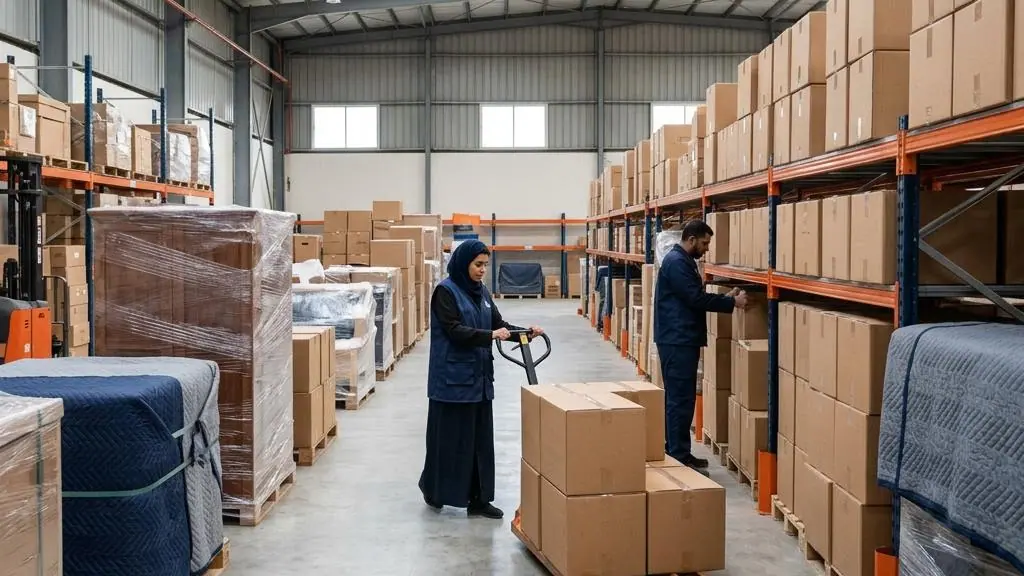
Proper packing is important for long-term storage, especially in Saudi Arabia, where heat, dust, and humidity can damage belongings. Choosing the right method helps keep items safe. The two main options are vacuum sealing vs traditional packing. Each has pros and cons depending on the items and storage duration. Vacuum sealing saves space and protects against moisture, while traditional packing works better for fragile or bulky items. Many shipping and logistics companies use both methods to keep goods secure.
Common Storage Challenges in Saudi Arabia
Storing items in a warehouse in Saudi Arabia comes with challenges. Heat can make plastics and fabrics brittle. Humidity can cause mold and mildew if moisture gets inside packaging. Dust is also a problem, especially in areas with sandstorms. It can settle on furniture, electronics, and fabrics, causing damage over time. Pests like insects and rodents may chew through boxes and fabric. Using the right packing methods helps protect belongings and keeps them in good condition for long-term storage.
Overview of Traditional Packing Methods
Traditional packing means using cardboard boxes, plastic bins, bubble wrap, or plastic covers. It’s a common choice because it’s cheap and works for many items. People often add silica gel or moisture absorbers to reduce humidity. Furniture and big items are usually wrapped in plastic or cloth to protect them from dust and scratches. Even in an air conditioned warehouse, this method doesn’t fully block air, so moisture, dust, and pests can still cause damage over time.
Traditional packing is a common choice because it’s cheap and works for most items.
What is Vacuum Sealing?
Vacuum sealing removes air from storage bags before sealing them. This helps protect items from moisture, dust, and pests. It is often used for clothing, bedding, documents, and some electronics. Vacuum sealed bags also save space, which is useful for pallet racking in Saudi Arabia. However, this method is not good for everything. Fragile or bulky items like glassware, wooden furniture, and some leather goods may get damaged. While vacuum sealing works well for many things, it’s not the best choice for all storage needs.
Which Method is More Efficient for Saving Space?
Vacuum sealing is the best way to save space in storage. It removes air from soft items like clothes, bedding, and linens, making them much smaller. This is helpful for people renting small units or storing items in a warehouse in Jeddah. Traditional packing takes up more room since boxes and bins can’t be compressed. Stacking boxes helps a little, but it’s still not as space-saving as vacuum sealing for things that can be flattened and packed tightly.
Moisture and Humidity Protection
Keeping moisture away is important for long-term storage, especially in humid places. Vacuum sealing helps by blocking air, which lowers the risk of mold and mildew. Since no air is inside, moisture can’t build up, making it a good choice for fabrics and papers. Traditional packing doesn’t seal as well, but moisture absorbers like silica gel can help. Dehumidifiers in storage units can also reduce humidity, but items in cardboard boxes can still absorb moisture and get damaged over time.
Protection Against Dust and Pests
Dust is a big problem in storage, especially in Saudi Arabia, where sandstorms happen often. Vacuum sealed bags keep items sealed, so they stay clean for years. This is useful for delicate fabrics, electronics, and documents that can get damaged by dust. Traditional packing needs extra steps to keep out dust and pests. Cardboard boxes can attract insects and rodents, while plastic bins help but still let in some air. Cloth covers and plastic wrap don’t fully block dust either.
When deciding between vacuum sealing vs traditional packing, keep in mind that vacuum sealing helps with pest prevention.
Durability and Longevity
When choosing between vacuum sealing and traditional packing, think about how long the materials will last. Vacuum sealed bags work well, but they can crack or lose their seal if left in extreme heat for too long. Cheaper bags are more likely to break. Traditional packing, like plastic bins and strong boxes, lasts longer in tough conditions. However, cardboard boxes can weaken if they get wet, and fabric covers don’t fully block dust. Using good-quality materials helps keep items safe for longer.
Best Uses for Each Packing Method
The best way to pack depends on what you are storing. Vacuum sealing works well for clothes, blankets, bed sheets, and documents because it saves space and keeps out dust and moisture. Small electronics like cameras or hard drives can also be vacuum sealed if they are in protective cases. Traditional packing is better for fragile or bulky items like glassware, furniture, and kitchen appliances. These need padding and support. Furniture should be wrapped, and breakable items packed in sturdy boxes.
Which Option is More Affordable?
Cost is an important factor when choosing vacuum sealing vs traditional packing for long-term storage. Vacuum sealing costs more at first because you need a vacuum sealer and special bags. But it can save money over time by protecting items and reducing storage space. Traditional packing, like cardboard boxes, plastic bins, and tape, is cheaper upfront. However, if items get damaged by dust, humidity, or pests, replacing them can be expensive. Using good-quality packing materials helps prevent these problems.
You should pack everything you can traditionally to save money and focus on using vacuum sealing for the items that really need it.
Convenience and Accessibility of Vacuum Sealing vs Traditional Packing
Vacuum sealed items are harder to open and repack. To get something out, you have to cut the bag open and vacuum seal it again if you want to store it back. This makes vacuum sealing less convenient for things you need often. Traditional packing is easier since you can open and close boxes and bins as many times as needed. For people who might need to check or use their stored items sometimes, traditional packing is usually the better option.
Final Recommendations on Which Option is Best for You?
The best packing method depends on what you are storing. If you need to save space and protect items from dust and humidity, vacuum sealing is a good choice. It works well for clothes, linens, and documents. Traditional packing is better for bulky or fragile items that need extra protection, like furniture, kitchenware, and glass. Plastic bins, bubble wrap, and moisture absorbers help keep items safe. For the best results, use both methods—vacuum seal soft items and use boxes for delicate ones.
Take Your Time Choosing Between Vacuum Sealing vs Traditional Packing
Picking the right way to pack is important to keep items safe. Deciding between vacuum sealing vs traditional packing depends on what you’re storing. Vacuum sealing protects against dust, moisture, and pests, making it great for clothes and soft items. Traditional packing is easier and better for large or fragile things. Before storing, check the storage unit conditions. If possible, use climate controlled storage to prevent humidity problems. Packing properly helps keep belongings in good shape, no matter how long they stay stored.