
Before storing electronics in Saudi Arabia’s climate, you need to know the risks. The country has very hot weather most of the year, and cities like Jeddah and Dammam also deal with high humidity at times. Electronics can be damaged by heat, which harms parts inside, and by moisture, which can cause corrosion or short circuits. Without proper care, you might face costly repairs or lose the device. Using the right storage space, packaging, and handling is very important. Companies like Four Winds Saudi Arabia can help keep electronics safe during storage.
Understanding Saudi Arabia’s Climate And Its Impact On Electronics
Saudi Arabia is mostly hot and dry for much of the year. Cities like Riyadh have long summers, with temperatures often above 45°C. Coastal cities such as Jeddah and Dammam can be humid during the summer. Heat can make electronic parts expand, which may cause warping or cracking. Humidity can lead to rust on metal parts. Quick temperature changes can cause condensation, which can damage electronics. Without the right protection, these conditions can cause devices to fail or stop working, leading to expensive repairs or permanent loss. Proper storage can help avoid these problems.
Common Types Of Electronics Stored In Saudi Arabia
In Saudi Arabia, people store many types of electronics, from home devices to business equipment. Computers, servers, and internet equipment may be stored during office moves or renovations. TVs, speakers, and gaming consoles are often stored when moving house or leaving the country for some time. Businesses may store printers, copiers, and other machines when they are not in use. Some electronics stay in storage for only a few weeks, while others are kept for months or years. How long they stay in storage decides how much protection they will need.
Before storing electronics in Saudi Arabia’s climate, you should go through the items you plan to store and see which conditions they need to be kept in.
Risks Of High Heat On Stored Electronics
High temperatures can badly damage electronics kept in storage. Long exposure to heat can make plastic cases and inside parts bend or change shape. It can also weaken solder joints, which may cause loose connections. Devices with batteries, especially lithium-ion, can swell or leak, which can harm the device and be dangerous. Heat speeds up the wear of many materials, shortening the life of delicate parts. Even if a device looks fine after storage, hidden heat damage can make it stop working much sooner than expected. Proper temperature control can help prevent these problems.
Risks Of Humidity And Moisture
Humidity can cause serious problems for electronics in storage, especially in coastal cities. Moisture in the air can make metal parts like circuit boards and connectors rust. This rust can block electrical signals and cause the device to stop working. Mold can also grow on cables and insulation, especially in closed, dark spaces. When temperatures change, condensation can form on or inside electronics, leading to short circuits or more rust. Before storing electronics in Saudi Arabia’s climate, it is important to protect them from moisture to avoid costly and permanent damage.
Choosing Climate-Controlled Storage In Saudi Arabia
An air conditioned warehouse is the best choice for storing electronics in Saudi Arabia. This type of storage keeps temperature and humidity at safe levels. For most electronics, the temperature should stay between 18°C and 24°C, and humidity between 35% and 55%. When choosing a place, ask how the cooling system works, how often it is checked, and if they monitor conditions all the time. A well-maintained system helps protect devices from heat, moisture, and sudden weather changes, reducing the chance of damage while the electronics are in storage.
Make sure to carefully consider whether you’ll need climate control before storing electronics in Saudi Arabia’s climate.
Warehouse Storage Vs. Self-Storage Units
You can store electronics in a warehouse in Saudi Arabia or a self-storage unit. A warehouse often has shared space with climate control, which can be cheaper for large amounts of equipment. The downside is that access might only be allowed during certain hours. Self-storage units let you reach your items more easily, but many do not have climate control. The right choice depends on how much you are storing, your budget, and the protection your electronics need. For expensive items, a climate-controlled option is the safest choice.
Using Desiccants And Moisture Absorbers
Desiccants like silica gel packs help keep moisture low inside packaging. They absorb humidity, which can stop rust and mold from forming on electronics. For bigger boxes or containers, humidity control packs made for electronics can keep moisture at a safe level. Place desiccants inside the packaging, but not directly on delicate parts. Over time, they stop working and need to be replaced. Check the manufacturer’s instructions for how often to change them, especially if the electronics will be stored for a long time in different weather conditions.
Packaging Materials That Work Best In Saudi Arabia
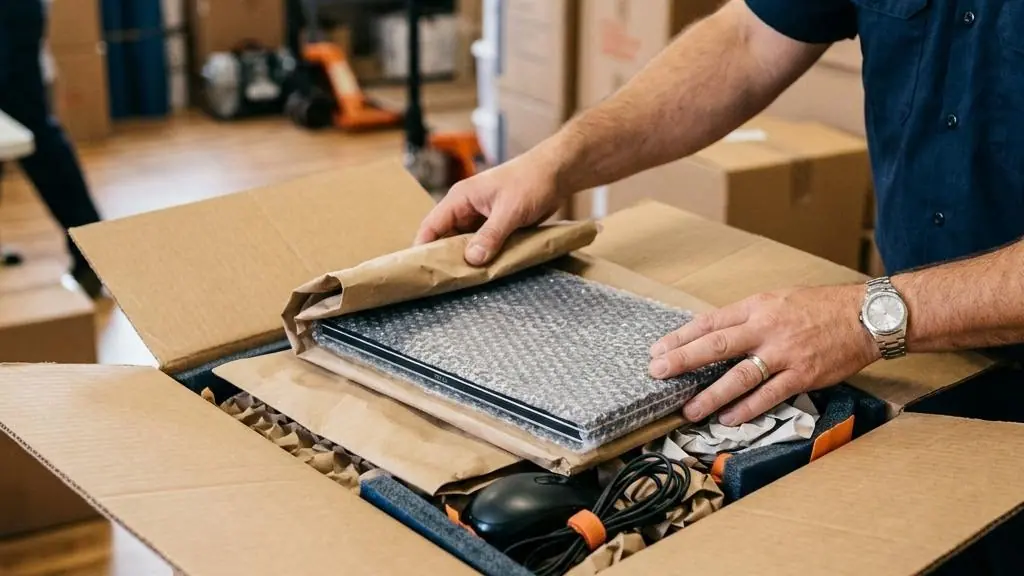
Packaging is important for keeping electronics safe in storage. Anti-static bubble wrap and foam inserts help protect items and reduce the risk of static damage. Airtight plastic containers may look like a good choice, but without humidity control, they can trap moisture and cause condensation. Strong cardboard boxes with padding work well for short-term storage. For longer periods, special insulated boxes made for electronics give better protection. Many packaging companies in Saudi Arabia can supply these materials and help choose the best options based on how long the electronics will be stored.
Using the right type of packaging materials is very important for keeping your electronics safe in storage.
Storing Electronics With Built-In Batteries
Electronics with built-in batteries need extra care when kept in hot places. Lithium-ion batteries are very sensitive to heat and can swell, leak, or become dangerous if stored the wrong way. If you can, remove the battery before storage. If that is not possible, charge it to about 50% before placing the device in storage. This helps the battery last longer. When using storage in Saudi Arabia, it’s a good idea to check battery-powered devices from time to time to make sure they are still safe and in good condition.
Proper Cleaning Before Storage
Before storing electronics in Saudi Arabia’s climate, it is important to clean them properly. Dust can block air vents and cause overheating when the device is used again. Wipe the outside with a soft, dry cloth to remove dirt. For small or hard-to-reach areas like ports and vents, use compressed air to blow out dust. Make sure the device is completely dry and has no cleaning liquid left on it before packing. A clean device is less likely to have problems during storage and will work better when taken out.
Labeling And Inventory Management
Labeling boxes clearly makes it easier to find electronics in storage. Write what is inside each box and note any special handling instructions. This helps avoid opening the wrong boxes. Keep a simple inventory list so you know exactly what is stored and where it is placed in the unit. If you have a lot of items, using QR codes or barcodes can make identification faster. This is especially helpful if the electronics will be stored for a long time or kept in a facility where space is shared with others.
Labelling your boxes clearly and writing down an inventory list of everything you’ve stored will help you keep track of everything more easily.
Handling During Transport To Storage
Before storing electronics in Saudi Arabia’s climate, you also need to think about transport. Electronics can be damaged on the way to storage if not handled carefully. In Saudi summers, parked vehicles can get extremely hot, so keep devices inside for as little time as possible. Use padded boxes or containers and secure items so they do not move around. This helps protect them from bumps and shocks. Try to move electronics during cooler hours of the day and keep them out of direct sunlight whenever you can to avoid heat damage.
Periodic Inspection Of Stored Electronics
Even if electronics are kept in good storage conditions, they should be checked from time to time. Looking at them every few months can help you find early signs of moisture, rust, or heat damage. If you are using desiccants to control moisture, see if they need to be replaced. Packaging materials should also be checked to make sure they are still strong and not worn out. If boxes, padding, or wraps are damaged, they may not protect the electronics well, so replace them to keep the items safe.
Security Features To Look For In Saudi Storage Facilities
Security is very important when keeping valuable electronics in storage. When choosing a place, check if it has CCTV cameras, gated entry, and staff on-site. Alarm systems can give extra protection, and some places even have alarms for each unit. If you are using a warehouse in Riyadh, ask if they offer insurance or can suggest coverage options. Having insurance can help recover costs if there is theft or damage. Picking a secure facility reduces the risk of losing expensive electronics while they are in storage.
Make sure the facility you choose has a good security system in place.
What to Consider Before Storing Electronics in Saudi Arabia’s Climate in the Long-Term
When electronics are kept in storage for over a year, they need extra care. Some parts can wear out over time, even if stored well. Batteries may lose their charge or become unsafe. Software and firmware can get outdated, which may cause problems when the device is used again. Before taking items out of storage, plan to charge batteries and update software. If you use pallet racking in Saudi Arabia for storage, make sure items are easy to reach so these checks and updates can be done without moving everything around.
Questions To Ask Before Signing A Storage Contract
Before choosing a storage place, ask how often they check and maintain their climate control systems. This is important for keeping electronics safe. Also, ask about pest control, since pests can damage wires and insulation. Make sure you know the access rules, such as opening hours and any extra fees for entry. If you are looking for a warehouse for rent in Jeddah, these questions will help you avoid problems later. Knowing these details before you rent can save you from unexpected issues during the time your electronics are stored.
Costs To Expect When Storing Electronics In Saudi Arabia
Before storing electronics in Saudi Arabia’s climate, it helps to know the costs. Prices depend on the unit size, location, and whether climate control is included. In Riyadh, climate-controlled units often cost more than in smaller cities. In coastal areas, facilities may charge extra for humidity control. If your electronics need special handling, this can also increase the price. Comparing rates in Riyadh, Jeddah, and Dammam can help you choose a storage option that fits your budget while still giving the protection your electronics need to stay safe during storage.
Coming up with a clear budget for your storage needs will help you avoid unexpected expenses while storing electronics in Saudi Arabia.
Mistakes To Avoid When Storing Electronics In Saudi Arabia
A common mistake when storing electronics is using the wrong packaging. Some packaging can trap moisture or fail to protect against heat. This can cause damage while the items are stored. Another mistake is avoiding climate-controlled storage to save money. This often leads to bigger costs later for repairs or replacements. Not taking care of batteries is also a serious problem. Damaged or leaking batteries can make the whole device useless. Using the right packaging, climate control, and proper battery care can help keep electronics safe during storage.
Consider These Factors Before Storing Electronics in Saudi Arabia’s Climate
Before storing electronics in Saudi Arabia’s climate, it is important to plan ahead and choose the right storage. Heat and humidity can quickly damage sensitive devices. Using proper packaging, climate controlled storage, and checking items regularly can lower the risk of damage. Pick a storage place that has good temperature and humidity control, along with strong security. These steps help keep electronics in good working order and protect their value. A little preparation before storage can save you from costly repairs or replacements later on.