
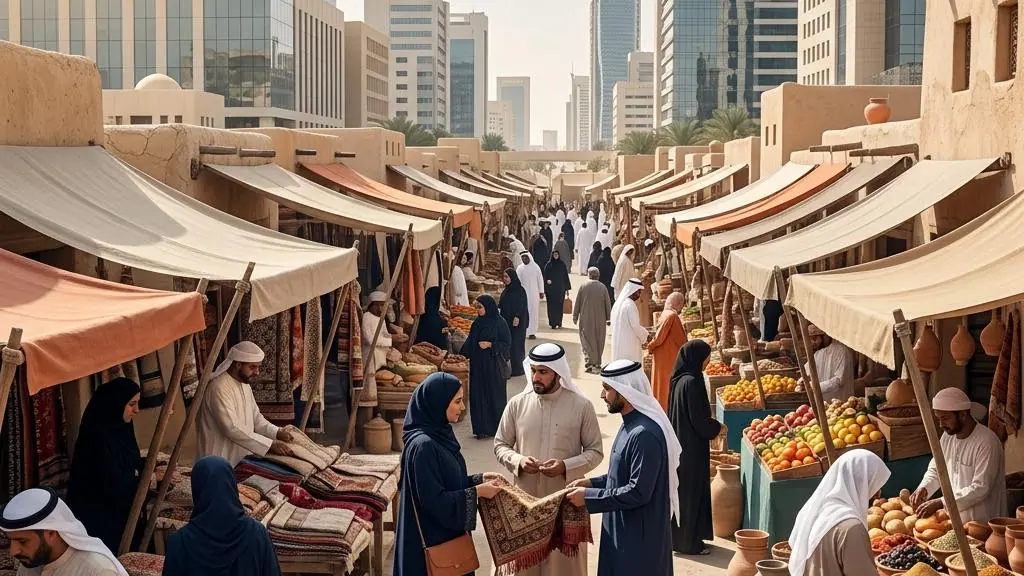
When moving to Saudi Arabia, understanding the local customs every newcomer should know in Saudi Arabia is very important. The country has strong traditions that may be different from what you’re used to. By respecting these cultural norms, you’ll build positive relationships with locals and avoid misunderstandings. This can make your experience in Saudi Arabia much smoother, whether you’re navigating social or professional situations. If you’re planning a move, be sure to work with experienced movers in Jeddah who can guide you through the process and help you settle in comfortably.
How to Dress Respectfully in Saudi Arabia?
Saudi Arabia has a conservative dress code based on Islamic values. Men usually wear long pants and a shirt with sleeves. Women are expected to dress modestly, covering their arms, legs, and often their head. While women aren’t legally required to wear an abaya, it’s commonly worn in public as a sign of respect. Professionals from the top moving companies in Yanbu often highlight the importance of dressing modestly in public spaces. Avoid wearing tight or revealing clothing, as it’s frowned upon, especially in religious and traditional settings.
Proper Ways to Say Hello in Saudi Arabia
When moving to Medina Saudi Arabia, for example, it’s important to understand local greetings. The common greeting is “As-salamu alaykum,” meaning “peace be upon you,” and the response is “Wa alaykum as-salam,” or “and peace be upon you too.” In formal settings, handshakes are common, but men and women don’t usually shake hands unless they know each other well. If a woman extends her hand, men should politely refuse and greet her with words instead. Understanding these customs helps show respect for Saudi traditions and social norms.
Handshakes are very common in formal settings, although men and women usually only do it if they are already well-acquainted.
Public Behavior And Respecting Social Boundaries
In Saudi Arabia, public behavior is closely watched, and there are important social rules to follow. Public displays of affection, like kissing or holding hands, are not allowed, especially between people of the opposite sex who are not married. People also keep their voices low in public to avoid disturbing others. In places like restaurants or events, it’s important to respect personal space. Professionals from various moving companies in Jubail often remind their clients to be mindful of these customs to avoid misunderstandings and show respect for local culture.
Understanding Saudi Arabia’s Gender Norms
In Saudi Arabia, men and women are often separated in public places like restaurants, events, and businesses. There are usually separate sections for men and women, and sometimes there’s a “family section” for families. Men and women who aren’t related typically don’t socialize in public. This may feel strange at first, but it’s part of respecting local customs. If you’re new to Saudi Arabia, it’s important to be aware of this practice and respect it. Understanding these rules will help avoid any uncomfortable situations and show respect for the culture.
What to Expect When Dining with Locals?
Dining in Saudi Arabia is all about sharing. People eat with their right hand because the left hand is considered unclean. If you’re invited to a meal, it’s polite to accept the food. Refusing food might be seen as rude. Dates and Arabic coffee are often served when guests visit a home. If you’re offered coffee or tea, it’s important to finish your cup as a sign of respect. Meals are usually shared with everyone sitting together around a large platter, making the meal feel more personal and communal.
You should remember that refusing food that someone cooked can be seen as rude, especially if you’re visiting them at home.
Islamic Practices And Respecting Religious Customs
Islam is a big part of life in Saudi Arabia, and it affects daily routines. Prayer times are important, and many businesses close briefly for prayers. As a newcomer, it’s helpful to know when these prayers happen and plan your day around them. During Ramadan, Muslims fast from sunrise to sunset. It’s important to avoid eating, drinking, or smoking in public during this time. Being respectful of these practices, especially by not eating or drinking in public during Ramadan, shows your understanding and helps you get along with locals.
Gift-Giving Etiquette
Gift-giving is common in Saudi Arabia, especially when visiting someone’s home. It’s polite to give gifts with both hands. For men, gifts like perfume, chocolates, or decorative items are a good choice. For women, consider giving jewelry, fragrances, or traditional Saudi crafts. It’s important to avoid giving alcohol, as it’s banned in Saudi Arabia. The way you present the gift also matters. Wrapping it well shows respect. Professionals from various moving companies in Jubail often remind clients that understanding local gift customs helps build positive relationships with Saudis.
How to Accept Invitations and Show Appreciation?
Saudi hospitality is known for being warm and generous. When you’re invited somewhere, it’s polite to respond positively, even if you can’t go. It shows you appreciate the invitation. If you’re invited to someone’s home, bring a small gift as a thank you. You’ll likely be offered tea or coffee, and it’s polite to accept as a sign of respect. When leaving, thank your host for their hospitality. These are simple customs every newcomer should know in Saudi Arabia, and following them will help you make a good impression.
Business Etiquette And Navigating Professional Interactions
In Saudi Arabia, business is formal and focused on building relationships. Being on time is important, as it shows respect for your colleagues. It’s important to address people by their titles, unless they ask you not to. Building trust is a big part of working in Saudi Arabia, so take time to get to know people before starting business talks. Dressing formally is also expected, especially in meetings. Men usually wear suits, and women should dress conservatively, often wearing an abaya in professional settings.
If you’re moving here for work, you should take the time to learn some basic business customs every newcomer should know in Saudi Arabia.
Respecting Local Laws and Regulations
Newcomers in Saudi Arabia must respect local laws. Alcohol is strictly banned, and penalties for breaking this law are severe. Drug-related offenses are also taken very seriously, with penalties ranging from imprisonment to the death penalty. Public behavior is closely monitored, and actions that may be acceptable elsewhere, like arguing in public or disrespecting officials, can lead to legal consequences. It’s important to understand and follow these rules to avoid problems and ensure a smooth experience living in Saudi Arabia.
These Are Some of the Most Important Customs Every Newcomer Should Know in Saudi Arabia
Successfully settling into Saudi Arabia requires understanding the local culture and traditions. Customs every newcomer should know in Saudi Arabia include dressing modestly, respecting gender segregation, and following religious practices. It’s important to follow local laws and be mindful of public behavior. By respecting these customs, newcomers can avoid misunderstandings and build positive relationships with locals. Saudi Arabia has a rich culture that can be a rewarding experience if approached with respect and an open mind. Be open to learning and engage with the local community to make your move smoother.