
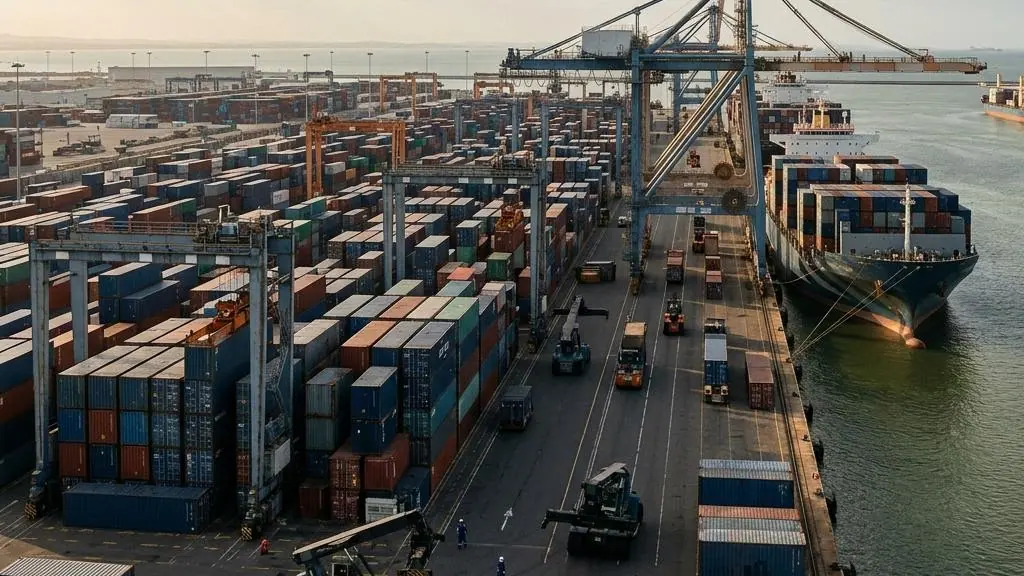
Shipping traffic congestion has fast become a formidable obstacle, causing substantial delays and bottlenecks in operations. However, it’s not just the mere inconvenience that’s concerning. The ripple effect caused by these blockages extends to escalating operational costs and adverse environmental impacts, making it critical to combat traffic congestion while shipping. As supply chains become increasingly global, shipping companies, like moving companies in Saudi Arabia, face mounting pressure to ensure the swift, efficient delivery of goods. Thereby, addressing traffic congestion issues timely becomes paramount. After all, a smoothly running supply chain is key to successful operations, customer satisfaction, and a healthier bottom line.
Combat Traffic Congestion While Shipping – How To?
To find an effective solution, we must first comprehend the root cause of traffic congestion in shipping. The main issue is an imbalance between supply and demand. Factors like limited port capacity, overcrowded shipping lanes, and unpredictable weather conditions frequently lead to bottlenecks. Additionally, seasonal spikes in demand for goods can cause an excess of ships awaiting berth space, worsening the congestion.
The Ripple Effect of Traffic Congestion
Traffic congestion’s implications in shipping extend beyond mere operational delays. It increases dwell times, escalating demurrage and detention costs. Additionally, idling ships emit large volumes of greenhouse gases, contributing to environmental pollution. Most significantly, delayed shipments can compromise the customer experience, impacting a business’s reputation and customer relationships. Therefore, combatting traffic congestion in shipping is not merely a logistical concern— it’s an economic and environmental imperative.
To combat traffic congestion while shipping, proactive measures must be taken to optimize logistics operations.
The Power of Effective Route Planning
Battling shipping congestion begins with intelligent route planning. An efficiently mapped course can circumvent overcrowded shipping lanes and ports, reducing potential hold-ups. Additionally, an ideal route considers elements like weather conditions and geopolitical situations, steering clear of potential disruptions. Hence, a well-devised route is akin to a ship’s blueprint for timely arrival.
Optimization: The Antidote to Congestion
Just as moving companies in Bahrain are renowned for their precision and efficiency, so too should shipping operations be. The crux lies in optimization. Sophisticated software solutions analyze countless route combinations, selecting the most effective one considering time, fuel efficiency, and avoidance of congested areas. By reducing waiting times and avoiding traffic hotspots, optimization becomes a powerful tool in the mission to combat shipping congestion.
The Power of Unity: Collaboration and Communication
To tackle traffic congestion, a unified front is indispensable. Inter-departmental collaboration brings together different expertise, each playing a pivotal role in addressing traffic concerns. Sharing information across teams like navigation, operations, and logistics helps identify congestion triggers. Consequently, this fosters a proactive approach to mitigate any foreseeable bottlenecks.
Communication: The Lifeline of Efficient Traffic Management
Much like logistics companies in Jubail, whose success hinges on clear communication, shipping operations also thrive on it. Swift and precise transmission of data regarding traffic patterns and congestion alerts enables timely action. In other words, efficient communication lubricates the gears of the shipping machinery, ensuring smooth and uninterrupted operations. It’s simple – the more informed the team, the better the capacity to navigate the challenges of shipping traffic.
Planning your route is a critical step in mitigating shipping congestion and ensuring smooth logistics operations.
The Future is Green: Sustainable Transportation Solutions
Just like a breath of fresh air, green shipping is sweeping the shipping landscape. It’s not merely about reducing carbon footprint. In fact, it’s also a strategic approach to traffic congestion. And there are many reasons why this is good. Here is why green shipping is more than a trend:
- Environmental Protection: Reduced emissions contribute to cleaner air and a healthier planet.
- Efficiency: Sustainable vehicles often boast improved fuel efficiency, which translates to fewer stops and smoother operations.
- Cost Savings: Over time, lower fuel consumption can lead to significant savings. In addition, regulatory compliance can prevent costly penalties.
- Public Image: Companies adopting sustainable practices are viewed favorably, bolstering their public image.
By embracing cleaner modes of transport, like electric trucks or LNG-powered vessels, we’re essentially reducing the traffic load. Just consider the reputable services of car shipping from Saudi Arabia that effectively utilizes these strategies, and you will see the benefits.
Harnessing the Power of Data Analytics for Traffic Patterns
Consider this; you’re on a busy highway, but you’ve got a roadmap of where the snarls are. That’s the power of data analytics in shipping. By collecting and analyzing data on traffic patterns, shipping companies can make informed decisions, helping them avoid congestion and optimize routes. Therefore, they can deliver their goods efficiently, with lesser delays. One key example of this smart approach is how expert teams in organizing your warehouse incorporate data analysis into their operations.
The Significant Impact of Predictive Insights on Traffic Congestion
In addition, predictive insights offer a forward-looking perspective. Imagine knowing tomorrow’s traffic today! That’s the potential predictive analytics bring to the table. It’s not just about understanding current traffic situations but also predicting future patterns based on historical data.
Green shipping is a proactive approach to promote sustainability and reduce the environmental impact of maritime transportation
By anticipating where congestion might occur, companies can proactively adjust their strategies. That might mean altering delivery schedules or choosing alternate routes. The result? A smoother, more efficient shipping process, fewer headaches, and happy customers. Such innovative use of data is paving the way for an efficient, congestion-free future in shipping.
Navigating Towards Future Trends
However, the road ahead holds even more promise. Innovative technologies and sustainable practices continue to emerge, offering bright prospects for an even more seamless shipping industry. So, let’s keep our eyes on the horizon as we navigate this exciting path toward progress.
On your journey to combat traffic congestion while shipping, explore different lanes – from understanding the issue to developing strategies such as route optimization, enhanced collaboration, adopting green shipping, and leveraging data analytics. Each tactic has its unique strength in reducing delays and enhancing efficiency, thereby improving the overall shipping process.